


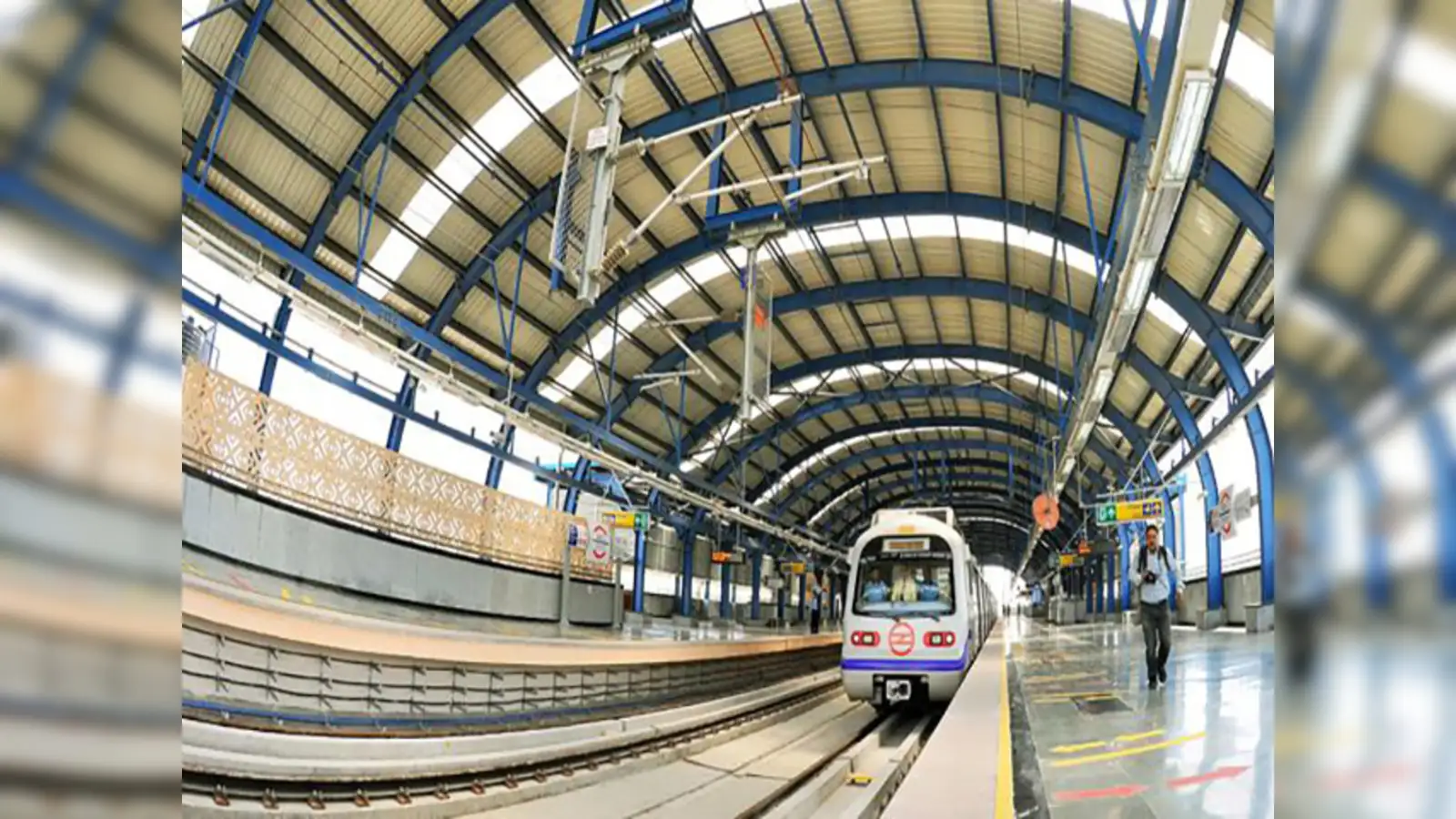
Patna Junction is poised for a transformative redevelopment aimed at modernising the station and expanding rail capacity across Bihar. The comprehensive project, with an estimated investment of Rs 95 billion, will introduce five underground platforms and a redesigned terminal layout to improve passenger flow and ease congestion in one of the region’s busiest transit hubs.
A key feature of the redevelopment is the introduction of a reversible track system between Patna and Patna City, enabling trains to operate bi-directionally on a single line. Railway officials note that this measure addresses long-standing space constraints on the stretch, while enhancing operational flexibility for both commuter and long-distance services. The capacity expansion also involves removing two existing stabling lines between Danapur and Patna to facilitate the construction of additional third and fourth lines. These developments are part of a broader Rs 17,000 billion project approved by the Railway Board to double capacity along the 400km corridor from Deen Dayal Upadhyaya Junction to Jhajha via Patna. Urban planners suggest that such expansion is crucial to meeting rising passenger demand and reducing bottlenecks on high-traffic routes. The redevelopment programme also includes a new Bihta Aurangabad rail line, the creation of a ring rail network around Patna, and a bridge over the Ganges connecting Didarganj and Fatuha. These initiatives aim to strengthen regional connectivity, relieve pressure on existing routes, and integrate suburban and intercity transport. Analysts note that the ring rail network, in particular, could enhance last-mile access, reduce urban congestion, and encourage a modal shift from road to rail.
Work has already commenced at several stations including Patna, Danapur, Ara, Buxar, Fatwah, Gahmar, Zamania, and Patliputra. Projects in progress cover new platforms, upgraded foot overbridges, circulating areas, and improved approach roads. Officials indicate that the redevelopment is scheduled for completion by June 2028, after which a substantial increase in both train handling capacity and passenger throughput is expected. Rail infrastructure experts highlight that these upgrades are designed with long-term urban mobility and sustainability in mind. By enabling faster train operations, optimising station layouts, and expanding network reach, the project aligns with objectives to reduce travel times, lower greenhouse gas emissions, and enhance accessibility for diverse commuters. Economists emphasise that improved rail efficiency also generates wider economic benefits by supporting regional trade, labour mobility, and investment in surrounding urban areas.
Patna Junction’s redevelopment is part of a nationwide initiative targeting 48 major cities for capacity doubling and station modernisation. By integrating advanced track systems, modernised terminals, and expanded connectivity, the project aims to position Patna as a resilient, efficient, and people-centric rail hub for Bihar and the broader eastern India corridor.
Also Read: Ujjain Residents Advised Against Drinking Tap Water
Patna Rail Infrastructure Modernisation Targets Passenger Growth
