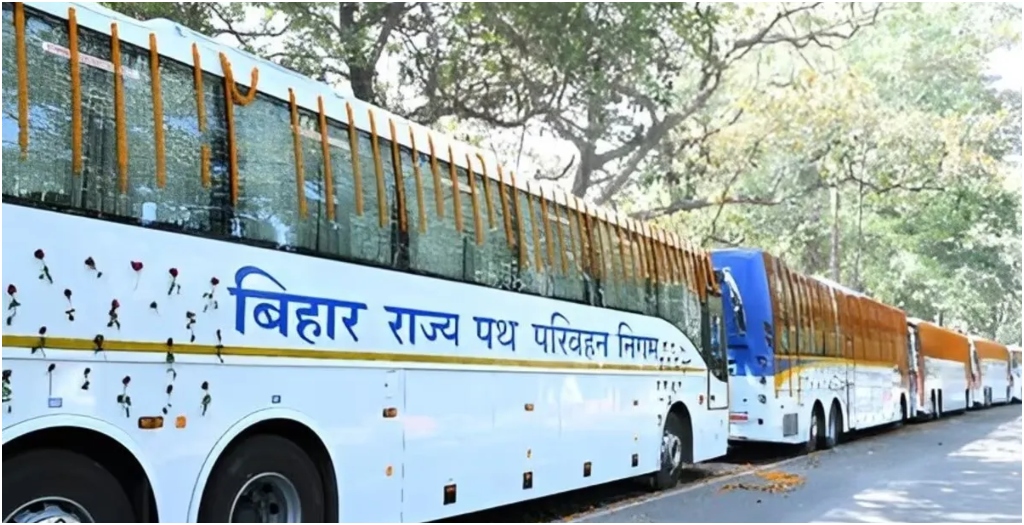
Bihar is preparing a significant overhaul of its urban mobility system with plans to introduce a large fleet of air-conditioned buses powered by electric and compressed natural gas (CNG) technologies, signalling a strategic shift towards cleaner and more efficient public transport across key cities, including Patna. The move is expected to improve commuter comfort while addressing rising concerns around congestion, emissions, and uneven transport access.
Officials familiar with the development indicate that the initiative is part of a broader clean public transport push aimed at modernising intra-city connectivity. The proposed rollout includes both electric and CNG buses, with an emphasis on reducing dependence on diesel fleets that currently dominate public transport systems in the state. Urban planners view this transition as critical in lowering particulate pollution levels in rapidly growing cities. The clean public transport push also reflects a response to increasing urbanisation pressures. Patna and other cities in Bihar have witnessed steady population growth, putting strain on existing mobility infrastructure. Public buses, often overcrowded and limited in reach, have struggled to meet demand. Introducing air-conditioned, energy-efficient buses is expected to improve service reliability and expand coverage, particularly for daily commuters and vulnerable groups reliant on affordable transport.
Industry experts suggest that combining electric and CNG technologies offers operational flexibility. While electric buses provide zero tailpipe emissions and lower long-term operating costs, CNG vehicles can serve as a transitional solution where charging infrastructure remains underdeveloped. Authorities are reportedly assessing depot upgrades, charging stations, and gas supply networks to ensure the viability of the system over time. The economic implications are also noteworthy. A modernised bus network can stimulate local employment through operations, maintenance, and infrastructure development. At the same time, improved public transport can enhance productivity by reducing travel time and increasing workforce mobility. Real estate activity in peri-urban areas may also see indirect benefits as connectivity improves. From a sustainability perspective, the clean public transport push aligns with broader national goals of reducing urban carbon emissions and promoting energy-efficient mobility. Transport accounts for a growing share of emissions in Indian cities, and transitions such as this are increasingly seen as essential for meeting climate targets while improving air quality.
However, implementation remains key. Experts highlight the need for integrated planning that includes route rationalisation, digital ticketing systems, and last-mile connectivity. Without these, even modern fleets risk underutilisation. Financial sustainability will also depend on balancing capital investment with fare structures and potential public-private partnerships. If executed effectively, Bihar’s clean public transport push could reshape mobility patterns in its cities, making them more accessible, less polluting, and better equipped for future growth. The coming months will determine how quickly these plans translate into visible change on the ground.