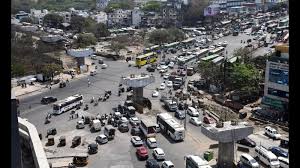
Pune University Road flyover delay angers commuters as traffic worsens
The Patna-Purnia Expressway has been designated as National Expressway-9, a monumental achievement poised to redefine the socio-economic landscape of Bihar. This project is not merely a transport corridor but a strategic investment in sustainable, zero-carbon infrastructure, set to dramatically reduce travel time and foster equitable development in the state’s eastern regions. This recognition marks a pivotal moment for Bihar, as the expressway becomes the first such project to be constructed entirely within its boundaries, reflecting a focused approach to regional progress.
Spanning 250 kilometres, the expressway will create a direct, high-speed link between the state capital, Patna, and the strategically important Seemanchal region, culminating at Hansdah in Purnia district. The project is an engineering marvel in the making, featuring a comprehensive design that includes 21 major bridges, 140 minor bridges, and an impressive 322 underpasses to ensure seamless, signal-free travel. Officials have stated that this new route will cut travel time between the two cities to just three hours, a substantial improvement that will have a transformative impact on commerce, industry, and daily life. The project’s infrastructure is designed for maximum efficiency, promising to unlock the full potential of regional connectivity.
From an ecological and sustainability standpoint, the expressway represents a major step towards building a zero-net-carbon transport network. By providing a direct, well-engineered route, it will significantly reduce the number of vehicles idling in traffic and eliminate the need for longer, less efficient journeys. This will lead to a marked reduction in fuel consumption and vehicular emissions, directly contributing to cleaner air and a healthier environment for the cities and villages along its path. The project’s design, with numerous bridges and underpasses, is also an effort to minimise its physical footprint and maintain ecological continuity, serving as a model for eco-friendly infrastructure development in the future.
The expressway is a powerful tool for fostering a more equitable society. The Seemanchal region, historically facing development challenges, will gain direct access to the state capital and its broader economic networks. This newfound connectivity will open up markets for local agricultural producers, attract new businesses and industries, and provide residents with better access to essential services like advanced healthcare and quality education. The human impact of this project cannot be overstated. By dramatically reducing travel time and improving road safety, it will enhance the quality of life for millions, empowering citizens, including women, with safer and more reliable mobility options for work and personal travel.
In conclusion, the notification of the Patna-Purnia Expressway as National Expressway-9 is a powerful declaration of intent. It is a visionary project that addresses core developmental challenges, proving that strategic infrastructure can be a powerful driver of social and economic change. It is not merely an asphalt road but a pathway to a more prosperous, sustainable, and equitable future for Bihar. The project’s successful completion will stand as a testament to the government’s commitment to inclusive growth, cementing its place as a model for development in the heart of India.