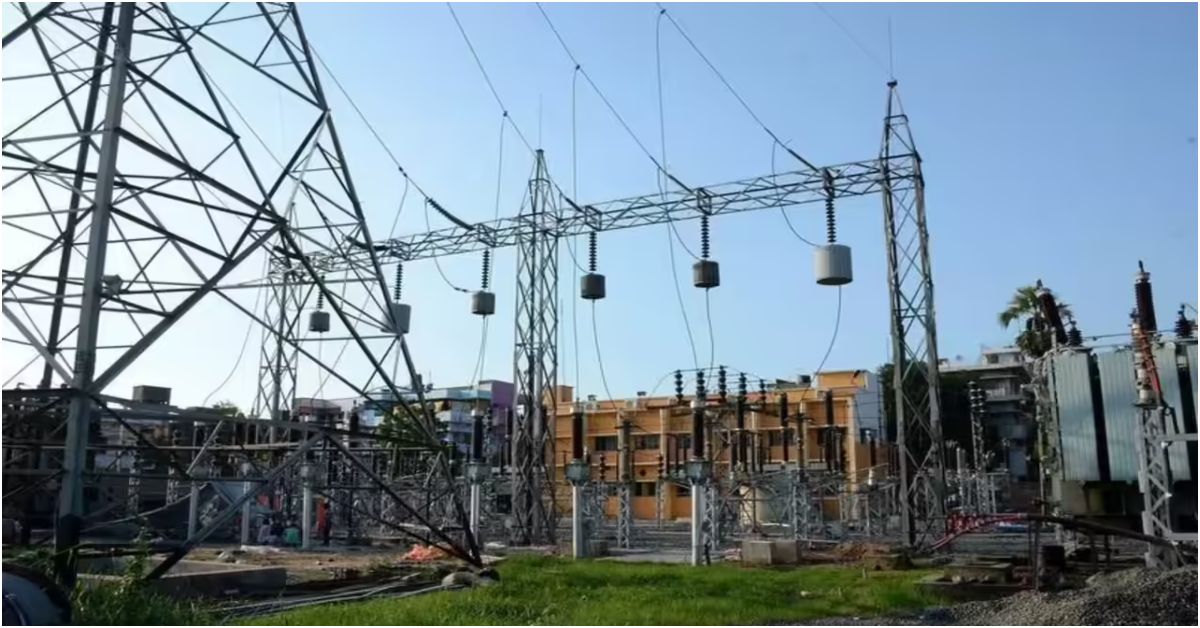
Patna Power Substations Expansion Targets Summer Demand
Patna is scaling up its electricity distribution network with the addition of 18 new substations, a move aimed at preventing outages as peak summer demand is projected to cross 1,000 MW. The expansion reflects growing pressure on urban power systems as rising temperatures, population growth, and increased appliance usage reshape energy consumption patterns in mid-sized Indian cities.
The new power substations are being deployed across multiple locations in the city, forming part of a wider grid-strengthening exercise led by the local electricity distribution utility. Officials involved in the rollout indicate that the additional infrastructure is designed to reduce system overload, minimise tripping, and ensure more stable power supply during high-demand periods. Each facility will include transformer capacity designed to enhance load distribution across the network, collectively adding substantial capacity to the city’s existing grid. With over 80 substations currently supporting Patna’s electricity system, the latest expansion signals a shift towards decentralised infrastructure that can better handle localised demand spikes. Urban infrastructure experts note that electricity demand in cities like Patna is no longer seasonal alone but structurally rising. Increased adoption of air conditioning, commercial expansion, and densification of residential areas are driving peak loads higher each year. Without parallel upgrades in distribution infrastructure, such growth can lead to frequent outages, voltage fluctuations, and service disruptions—particularly during heatwaves.
The power substations expansion is also aligned with national efforts to modernise electricity distribution under broader reform-linked schemes. These programmes aim to improve operational efficiency, reduce technical losses, and build resilience into urban energy systems. In Patna’s case, strengthening the last-mile distribution network is critical, as outages are often triggered not by generation shortages but by local grid failures. From a climate and urban resilience perspective, reliable electricity is increasingly seen as essential infrastructure. Heatwaves are becoming more frequent and intense, making uninterrupted power supply critical for public health, especially in densely populated neighbourhoods. Cooling systems, healthcare facilities, and essential services all depend on stable electricity during extreme weather events. The economic implications are equally significant. Power disruptions can impact small businesses, informal enterprises, and service-sector activities that rely on consistent electricity. By improving supply reliability, the new substations could support more predictable economic activity and enhance investor confidence in the city’s infrastructure readiness.
However, sector specialists caution that infrastructure expansion must be accompanied by demand-side management and grid modernisation. Smart metering, load forecasting, and consumer awareness around energy use will play a key role in sustaining long-term system stability. Without these, even expanded capacity could face strain as demand continues to rise. As Patna prepares for peak summer conditions, the success of the power substations initiative will be measured not just by reduced outages, but by how effectively it integrates with a broader transition towards resilient, efficient, and future-ready urban energy systems.