Patna PNG Connections Push Targets Cleaner City Energy
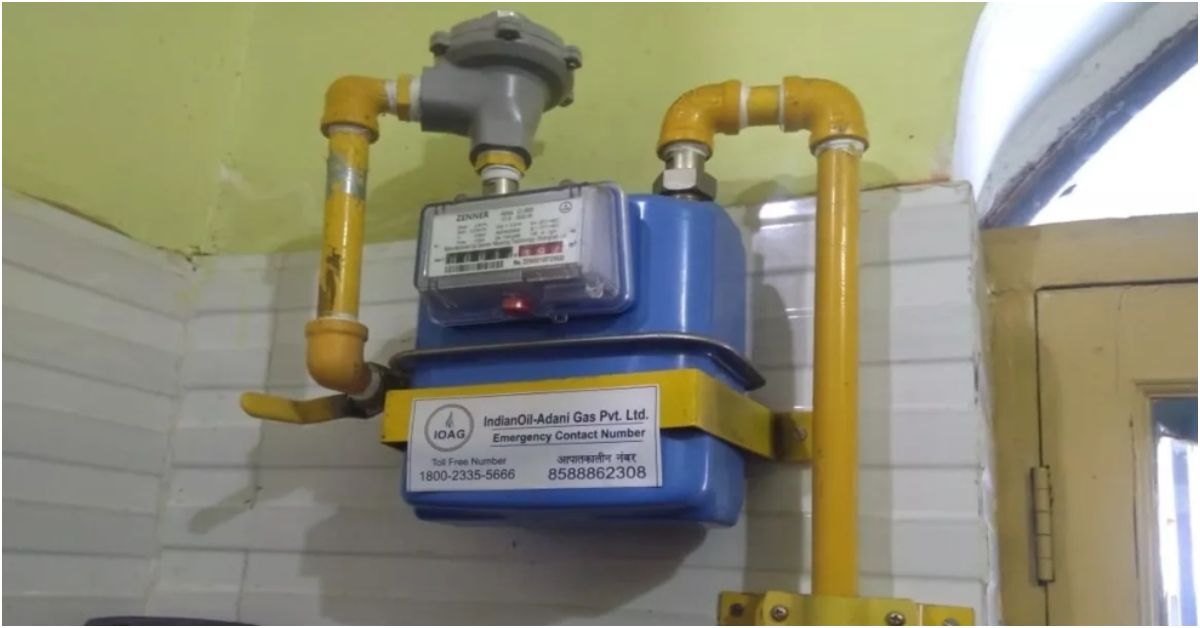
Patna is witnessing a renewed push towards piped natural gas (PNG) as authorities urge households to move away from LPG cylinders and adopt pipeline-based cooking fuel. The move comes at a time when city-level gas infrastructure is expanding and policymakers are trying to accelerate the shift to cleaner, safer urban energy systems. Officials involved in the initiative say the appeal to residents is not just about convenience but also about long-term urban sustainability.
PNG is supplied through underground pipelines and eliminates the need for storing cylinders in homes, which reduces both safety risks and logistical pressure on fuel distribution systems. In rapidly growing cities such as Patna, where apartment living is expanding quickly, a continuous gas supply is increasingly being seen as a more practical solution. The push in Patna also reflects a wider policy shift at the national level. Recent government decisions indicate that households located in areas where piped gas networks already exist may eventually lose access to subsidised LPG refills if they do not shift to PNG within a specified transition period. The objective is to reduce dependence on imported LPG while encouraging the use of pipeline-based fuel that is considered more efficient and environmentally sustainable. Urban planners say the shift towards PNG connections could significantly influence how cities manage energy and infrastructure in the coming years. Unlike LPG distribution, which depends on transport logistics and storage systems, PNG works through city-wide gas networks that operate continuously.
As more neighbourhoods are connected, cities can reduce heavy truck movement for cylinder deliveries, which in turn lowers congestion and emissions — an increasingly important factor for tier-2 cities trying to manage rapid population growth. For the real-estate sector, the expansion of PNG connections is also becoming an important urban indicator. Residential developers increasingly highlight piped gas connectivity as a standard feature in new housing projects, particularly in high-density areas where regular cylinder delivery becomes difficult. Experts tracking urban growth in eastern India say such infrastructure upgrades often increase the attractiveness of new residential corridors and planned housing developments. At the same time, energy analysts caution that the success of the PNG connections push will depend on how quickly pipeline infrastructure reaches new neighbourhoods. Parliamentary responses in recent years have already highlighted delays in expanding gas distribution networks in parts of Bihar due to permission and infrastructure constraints.
For residents, the immediate decision is practical — whether to shift from cylinders to pipeline gas. But for the city, the bigger implication is structural. The expansion of PNG connections is part of a broader transition towards cleaner, more reliable and more climate-resilient urban infrastructure. How quickly the shift happens in Patna will determine whether the city can keep pace with the changing energy needs of a growing urban population.