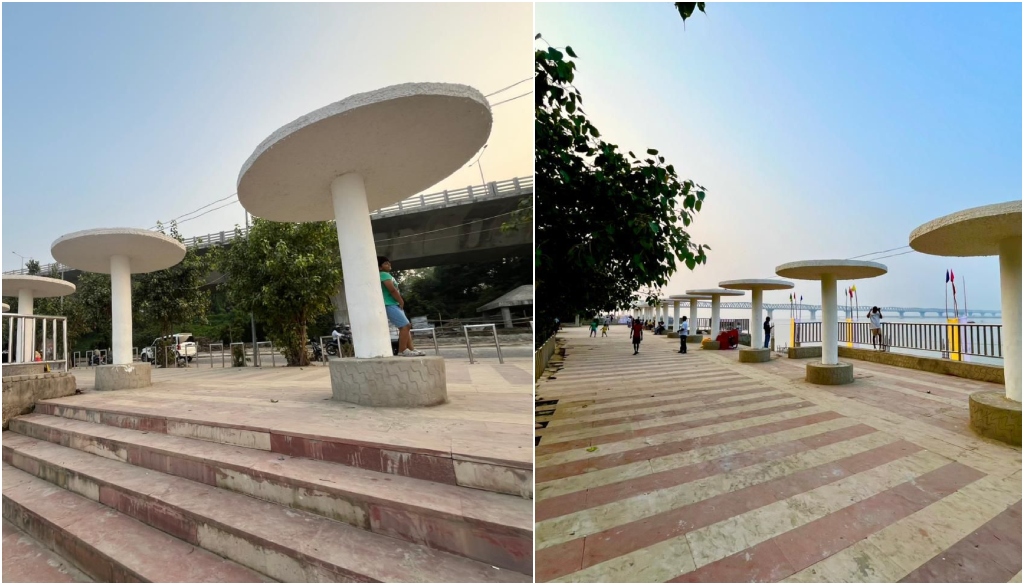
A fresh phase of riverfront development in Patna is beginning to reshape how residents engage with the Ganga, with three upgraded ghats delivered under the Namami Gange Programme. The intervention, aimed at improving access, safety, and sanitation along the river’s edge, signals a broader shift towards integrating ecological restoration with civic infrastructure in fast-growing cities.
The newly developed riverfront assets—located across key stretches of the city—introduce permanent structures where temporary arrangements once struggled to manage large crowds. Officials indicate that the upgrades were driven by recurring pressure during major religious gatherings, particularly seasonal events that draw thousands of visitors to the riverbanks. The Patna riverfront development includes expanded bathing platforms, improved lighting systems, and designated circulation areas to regulate footfall. Supporting amenities such as sanitation facilities, changing spaces, and barricading have also been added, reflecting a move towards safer and more organised public environments. Urban planners see this as part of a larger evolution in how riverfronts are designed—not merely as ceremonial spaces, but as critical public infrastructure. By formalising these ghats, the city reduces risks associated with overcrowding and temporary construction, while also enabling year-round usability for residents.
The Patna riverfront development is also aligned with national efforts to restore river ecosystems. The Namami Gange Programme, launched in 2014, combines pollution control with public space creation, investing heavily in sewage treatment, biodiversity restoration, and riverbank improvements across the Ganga basin. This dual approach reflects a growing recognition that environmental sustainability and urban liveability must be addressed together. Experts note that riverfront upgrades can have cascading economic and social impacts. Improved accessibility and aesthetics often attract local tourism, informal commerce, and small-scale service economies. At the same time, well-designed ghats contribute to a city’s climate resilience by stabilising embankments and promoting managed interaction with water bodies. However, the long-term success of such projects depends on maintenance and governance. Ensuring that sanitation systems remain functional and that public access remains inclusive will be critical. Without sustained operational oversight, even well-designed infrastructure risks degradation over time.
For Patna, the riverfront development marks a step towards reclaiming its historic relationship with the Ganga in a contemporary urban context. As Indian cities increasingly look to their natural assets for sustainable growth, projects like these highlight how cultural spaces can double as resilient, people-first infrastructure.