Patna, advertisement regulations, municipal revenue, urban governance, outdoor advertising, civic policy, public space, urban planning, city finance, enforcement rules, sustainable cities
Patna is preparing to overhaul its outdoor advertising regulations in a bid to recapture municipal revenue lost to unauthorised signages and improve urban management practices, civic officials have signaled.
The draft policy framework, currently under development by the city’s municipal corporation, aims to balance orderly urban aesthetics with fiscal pragmatism at a time when local bodies nationwide are reassessing revenue streams amid tightening budgets. The proposed regulations will categorise advertising spaces, delineate permissible zones for billboards and hoardings, and strengthen enforcement mechanisms through clearer penalties for violations. Municipal planners stress that the initiative responds to chronic gaps in compliance that have hampered revenue collection and eroded public trust in governance of shared urban spaces. Urban economists note that municipal corporations often rely on advertising fees as a relatively stable non-tax revenue source — especially when property and service taxes face compliance challenges.
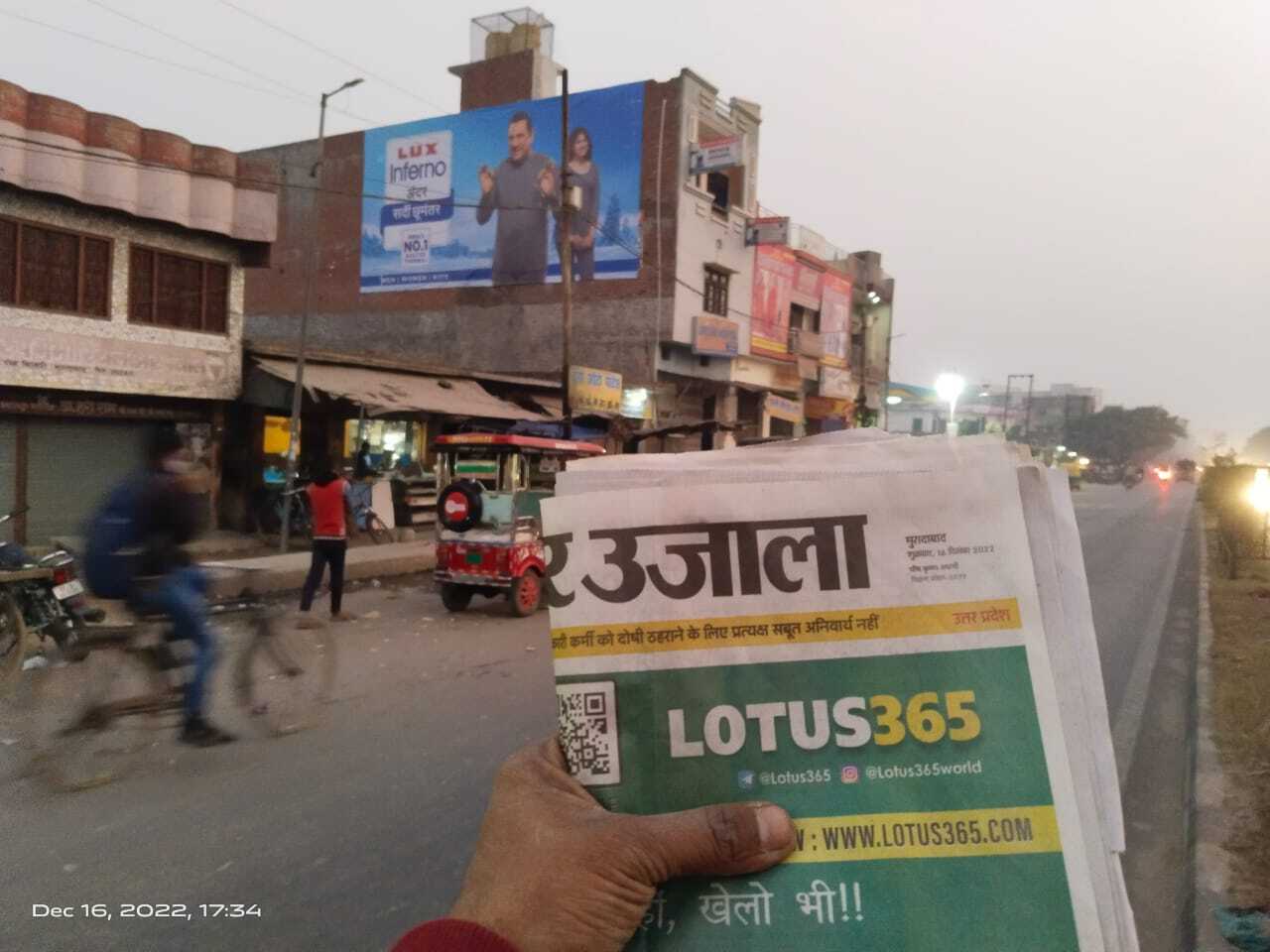
In Patna, the absence of up-to-date ad by-laws has enabled unregulated placements to proliferate, diluting the city’s visual environment and bypassing statutory fees that ordinarily support civic services. Recent discussions among councilors and officials have also highlighted the broader consequences of ad sprawl in public spaces. Beyond financial impacts, unchecked hoardings can reflect and reinforce a sense of governance vacuum, undermining wider efforts to foster clean, climate-adaptive urban corridors. Strategic placement of advertisements, when regulated, can offer municipal bodies predictable revenue flows that can be reinvested in public realm improvements. A senior civic official involved in drafting the policy emphasised the need for clearer zoning criteria and transparent fee structures. “We need a system that recognises emerging economic realities, ensures fair pricing across different urban zones, and reduces ambiguity for advertisers while protecting public space,” the official said.
Formalisation of these rules is expected to align revenue expectations with operational capacity of the municipal corporation. The timing of the policy revision is notable given parallel moves by other municipal bodies to tighten urban design controls and revenue disciplines. For example, last year several corporations across eastern India advanced enforcement drives against unauthorised commercial activities, underscoring the linkage between revenue governance and broader land-use compliance. Residents and business groups have offered mixed responses. Some welcome efforts to reduce ad clutter and restore streetscape quality, while advertisers and local outlets are seeking clarity on new charges and compliance timelines. Urban planners caution that the success of new regulations will depend not only on fine structures but also on consistent enforcement — an area where many local bodies nationally struggle.
The draft is expected to be tabled before the municipal board in the coming weeks, followed by stakeholder consultation. If implemented effectively, the reformed advertisement regime could provide Patna with a more predictable income base, support public space enhancement, and signal a more accountable approach to urban governance.