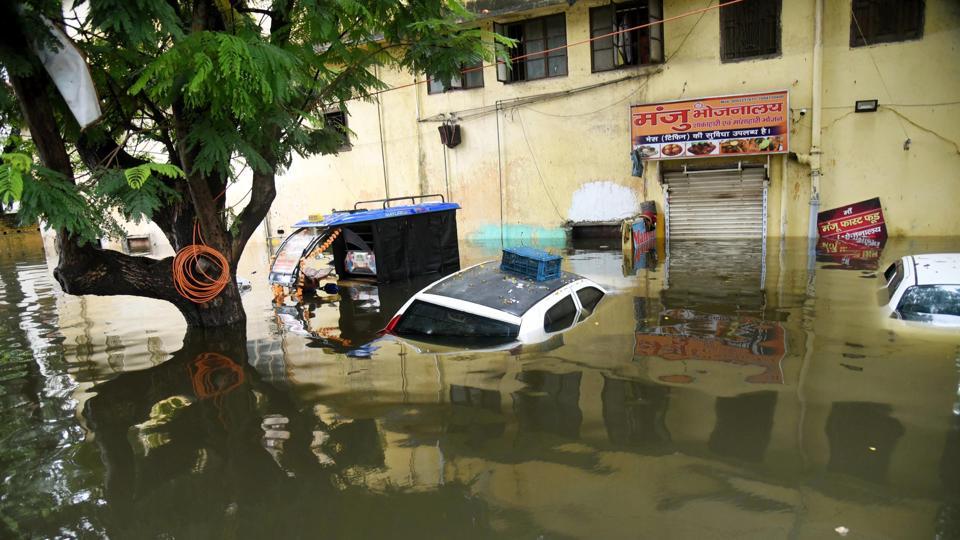
Patna’s civic administration has intensified its pre-monsoon preparedness, signalling stricter accountability measures to prevent recurring urban flooding. The latest Patna monsoon preparedness review has flagged gaps in drainage readiness and warned of action against officials if waterlogging disrupts daily life during the upcoming rainy season.
The review comes as the city attempts to address a persistent urban challenge—seasonal inundation across low-lying and high-density neighbourhoods. Authorities have prioritised the cleaning of drains, identification of vulnerable zones, and timely completion of infrastructure works as part of a coordinated strategy to reduce flood risks. This year’s Patna monsoon preparedness review places greater emphasis on execution rather than planning. Civic agencies have been directed to ensure that desilting operations, maintenance of pumping systems, and clearance of obstructions are completed within strict timelines. The administration has also indicated that lapses in coordination between departments—often cited as a key cause of delayed response—will invite scrutiny. The urgency reflects lessons from previous monsoon seasons, when intense rainfall exposed structural weaknesses in the city’s drainage network. In recent years, several neighbourhoods have witnessed prolonged waterlogging, disrupting transport, healthcare access, and local businesses. Such events have highlighted the limitations of ageing infrastructure and the need for integrated urban water management systems.
To mitigate these risks, parallel interventions are underway. Drain desilting and sanitation drives have entered advanced stages, with municipal teams working extended shifts to clear silt, repair manholes, and improve water flow across major channels. These efforts are complemented by the installation of additional drainage pumping stations in flood-prone zones, aimed at accelerating water evacuation during heavy rainfall. Urban planners note that while such pre-monsoon drives are essential, their effectiveness depends on long-term systemic upgrades. Rapid urbanisation, encroachments on natural drains, and unplanned expansion have reduced the city’s natural water absorption capacity. As a result, even moderate rainfall can overwhelm existing infrastructure, making preventive maintenance only one part of a larger solution.
The Patna monsoon preparedness review also underscores the need for integrated planning across utilities. Drainage systems must align with road construction, sewer networks, and urban expansion plans to prevent recurring disruptions. Experts suggest that adopting real-time monitoring systems and data-driven flood forecasting could further enhance response mechanisms in the future. From a broader urban development perspective, flood resilience is becoming a critical benchmark for city competitiveness. Reliable drainage systems not only protect public health and mobility but also influence investment decisions and real estate stability. Cities that fail to address waterlogging risks often face higher economic losses and reduced liveability.
As the monsoon approaches, the administration’s focus is shifting toward enforcement and on-ground verification. The success of this year’s preparedness drive will depend on whether coordination translates into measurable improvements at the neighbourhood level. If implemented effectively, the current push could mark a transition from reactive crisis management to proactive urban resilience—an essential step for a rapidly growing city navigating climate variability and infrastructure stress.