Patna Medical College Expands Women’s Ward And Air Ambulance Plan
PATNA — Patna Medical College and Hospital (PMCH) is moving ahead with ambitious plans to expand its women’s ward capacity and develop air ambulance services by 2029, a strategic push that could significantly strengthen healthcare delivery in Bihar’s capital and its surrounding regions.
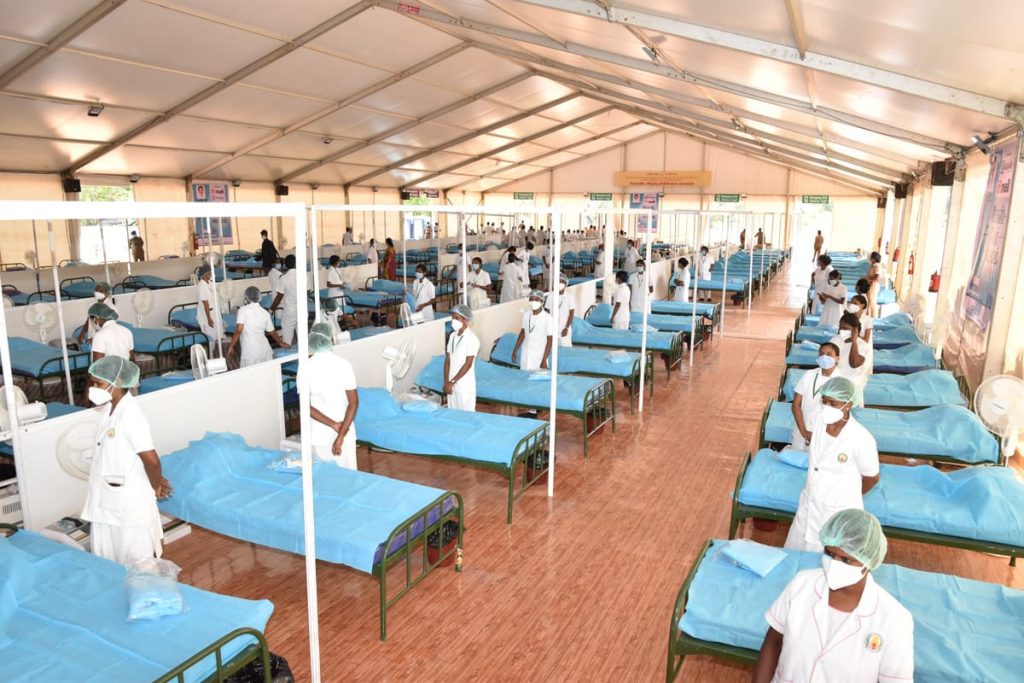
The proposal, slated for phased implementation, underscores how urban healthcare investment is being aligned with growing demographic demand, emergency response imperatives and long-term resilience goals in one of eastern India’s most populous cities. Officials associated with the project say the planned expansion of women’s ward facilities will involve a substantive increase in bed capacity, enhanced obstetrics and gynaecology services, and specialised care units designed to handle complex maternal and neonatal cases. Health infrastructure experts note that Patna’s urban catchment area — which includes peripheral towns and rural hinterlands — places unique pressures on tertiary healthcare resources. Strengthening PMCH’s capacity, they argue, is essential not only for immediate clinical needs but also for improving public health outcomes at scale.
Urban health planners stress that adequate women’s wards are foundational to addressing maternal health indicators and reproductive wellness across rapidly growing cities like Patna. Expanded inpatient capacity can reduce overcrowding, improve patient outcomes and shorten referral delays from peripheral health centres. Moreover, specialised units equipped with modern diagnostic and monitoring technologies will support high-risk pregnancies, neonatal care and follow-up treatments, helping close gaps in service delivery that have persisted despite statewide efforts to improve healthcare access. Equally forward-looking is the plan to integrate air ambulance capabilities within PMCH’s emergency services portfolio. As urbanisation intensifies in and around Patna, the need for rapid emergency response — particularly for trauma, critical illness and time-sensitive referrals — has become increasingly evident. Air ambulances can drastically shorten transport times from remote and peri-urban areas to tertiary care centres, enabling timely interventions that are often the difference between life and death in critical cases.
Healthcare systems analysts note that air ambulance services, when integrated with ground emergency networks, can enhance overall resilience and reduce pressure on congested city road networks. In Lucknow, Delhi and other major Indian cities where such services are active, data has shown improvements in survival rates for trauma victims and patients requiring urgent specialist care. For a city like Patna, where congestion and longer road travel times can impede rapid hospital access, an air component complements traditional transport modes and elevates the city’s emergency infrastructure. The project’s timeline — with targeted operationalisation by 2029 — reflects a phased approach to financing, construction and capacity building. Urban health economists note that securing funding, modern equipment and trained personnel will be key to the initiative’s success. Collaboration between state health departments, central government schemes and potential philanthropic or private sector partnerships may help bridge resource gaps and ensure that both the expanded women’s ward and air ambulance services are sustainable long term.
Critically, residents and civic groups have welcomed the proposed upgrades, emphasising the need for locally accessible, high-quality healthcare that can respond to everyday needs as well as emergencies. For women and families in particular, enhanced obstetric and neonatal care facilities promise greater assurance and reduced dependence on referrals to distant hospitals. However, experts also point to execution challenges. Integrating air ambulance operations requires coordination with aviation regulators, trained air medical crews and hospital triage systems capable of managing rapid transfers. Similarly, expanding inpatient capacity demands careful planning to avoid service disruptions during construction and transition phases.
As Patna’s healthcare landscape evolves, investments of this nature — grounded in capacity enhancement, clinical excellence and emergency responsiveness — could help reposition the city as a regional health hub. That, in turn, would align with broader urban resilience goals, ensuring healthcare infrastructure keeps pace with demographic growth and socio-economic development in Bihar’s capital region.