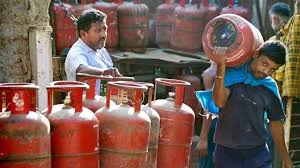
Patna: Bihar’s government has maintained that there is no shortage of domestic cooking gas in the state, but reports from several neighbourhoods of the capital suggest households are still struggling to obtain timely LPG deliveries.
The gap between official assurances and consumer experience has drawn attention to the resilience of urban fuel distribution systems that serve millions of households across the region. Authorities say sufficient stock of cylinders is available through the national petroleum distribution network and that supply lines remain functional. However, residents in parts of Patna and neighbouring districts have reported long waiting times for cylinder deliveries and difficulty securing refills through regular booking channels. These delays have prompted frustration among households dependent on LPG as their primary cooking fuel. The issue appears to stem less from absolute shortages and more from disruptions within the distribution chain.
Gas agencies typically operate on a calibrated delivery schedule that balances warehouse stocks, transport logistics and daily consumer demand. When deliveries slow or booking cycles stretch beyond expected timelines, even minor disruptions can trigger localised shortages at the neighbourhood level. Delivery personnel have also reported rising tension during distribution rounds, with some facing hostility from customers who blame them for delays. Industry observers say such situations often arise when consumers perceive that supply is tightening or when rumours about shortages circulate widely. To stabilise the system, district administrations have stepped up monitoring of gas distribution networks. Enforcement teams have been deployed to track potential hoarding or black-market activity that can artificially restrict supply and push up prices.
In Patna, authorities recently organised multiple monitoring squads to inspect LPG storage facilities and distribution points. Supply pressures are not limited to the capital. Reports from other districts indicate that irregular deliveries are affecting smaller towns as well, suggesting that logistical bottlenecks may be affecting multiple parts of the state simultaneously. Energy analysts note that LPG distribution in India depends on a tightly coordinated network of bottling plants, transport fleets and retail agencies. Even when overall supply remains adequate, disruptions in transportation schedules, panic buying or administrative delays can temporarily slow deliveries at the local level.
The episode highlights the importance of transparent communication between authorities, fuel suppliers and the public. In urban areas where households rely almost entirely on LPG for daily cooking, even short-term uncertainty can disrupt routine life, particularly for lower-income families and small food businesses. For policymakers, the current situation underscores the need for stronger monitoring of last-mile delivery systems. Ensuring reliable access to cooking fuel is not only a consumer protection issue but also a fundamental component of urban service infrastructure.
As officials continue reviewing supply patterns and distribution practices, restoring public confidence in the LPG network will be key to stabilising demand and preventing panic-driven disruptions across Bihar’s rapidly growing urban centres.