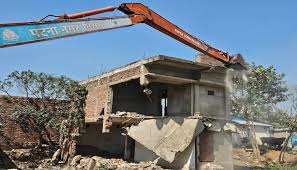
Patna is preparing to launch a fresh anti-encroachment drive from April 1 as civic authorities step up efforts to tackle worsening congestion around the city’s busiest commercial and transit corridors. The move comes amid growing pressure to restore pedestrian access, reduce informal roadside activity, and improve traffic flow in central urban zones that are struggling to cope with rising mobility demand.
Officials confirmed that multiple teams will be deployed simultaneously across different civic zones to identify illegal roadside structures, unauthorised vehicle stands, and informal parking that has gradually taken over key stretches. The focus of the new Patna anti encroachment drive will be high-traffic areas such as government office clusters, major junctions, and market corridors where road capacity has shrunk due to unregulated occupation of public land. Urban planners say the initiative reflects a broader shift in how mid-sized Indian cities are responding to congestion. In Patna, rapid growth in private vehicles and informal economic activity has outpaced basic street design, leaving little space for pedestrians, cyclists, and public transport users. Similar enforcement campaigns have recently been launched in other cities in the region, including nearby Gaya, where civic teams are also clearing encroachments to improve mobility and public safety.
The timing is significant. Traffic restrictions linked to large public events and rising daily congestion have highlighted structural weaknesses in the city’s road network. Administrators now appear to be prioritising traffic discipline and regulated use of public space as a long-term urban management strategy rather than a one-time crackdown. Previous policy measures — including tighter rules for bus stops and traffic management reviews — indicate that the new Patna anti encroachment drive is part of a wider attempt to formalise transport behaviour in the city. For residents and small businesses, however, the challenge lies in balancing enforcement with livelihood concerns. A large share of roadside economic activity in the city is informal, and sudden clearance drives often disrupt daily earnings. Urban development experts suggest that sustained results will depend on whether the administration can combine enforcement with designated vending zones, organised parking areas, and better pedestrian infrastructure. Without that, cleared spaces tend to be re-occupied within months.
From a broader urban-development perspective, the campaign reflects a critical transition phase for the state capital. As the city expands and land values rise along key corridors, reclaiming public land is increasingly linked not just to traffic management but also to safer streets, climate-resilient mobility, and more inclusive urban planning. If implemented consistently, the April campaign could mark a turning point in how Patna manages its most valuable resource — public space — and whether the city can shift towards a more organised and people-centred urban future.