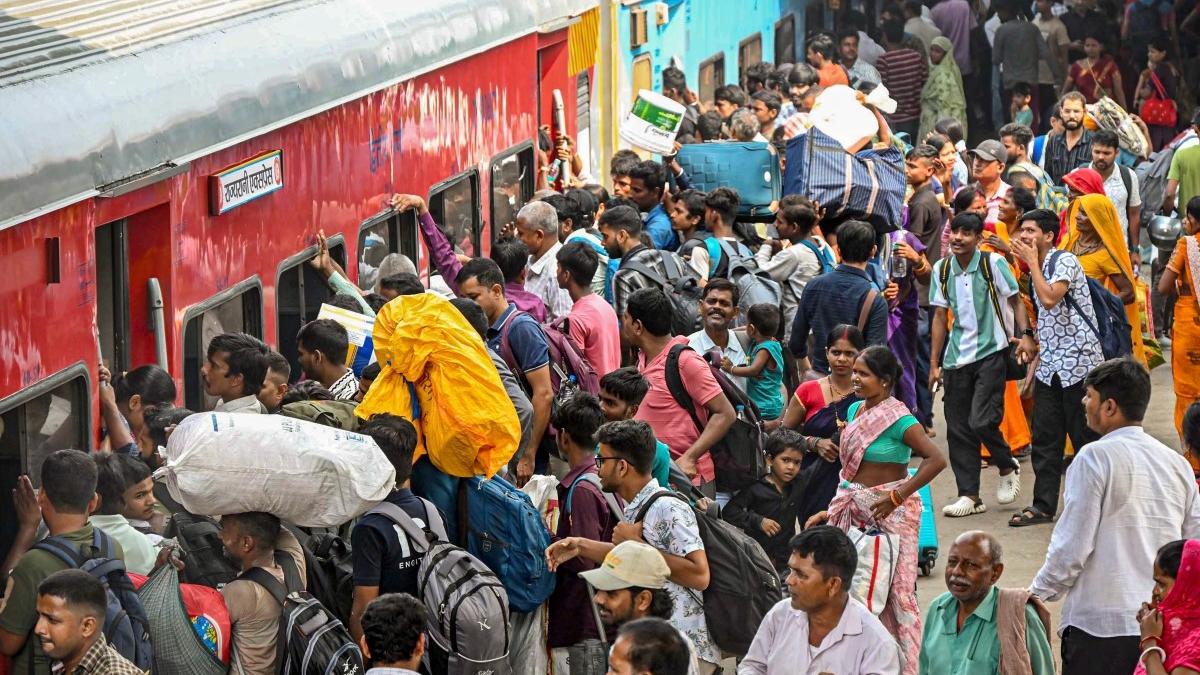
Patna Junction Prepares For Heavy Summer Passenger Rush
Railway authorities have begun large-scale preparations at Patna Junction and neighbouring stations as passenger traffic is expected to surge sharply with the onset of the summer travel season. The preparations, which include upgrades to passenger amenities, sanitation, water supply and crowd-management arrangements, underline the growing pressure on transport infrastructure in one of eastern India’s busiest urban corridors.
Officials overseeing station operations said additional staff deployment, improved waiting-area facilities and expanded drinking-water arrangements are being prioritised to handle the expected increase in footfall from early April. Patna Junction acts as a key rail hub not only for Bihar but also for migrant workers, students and families travelling to Delhi, Kolkata and other major cities during the holiday period, making seasonal crowd management a recurring challenge for urban transport planners. The preparations are part of a broader national effort by Indian Railways to manage peak-season demand. Authorities have already extended several summer-special train services on major routes connecting Bihar with northern and eastern India, particularly the Patna–Delhi and Patna–Howrah corridors, where passenger demand typically rises sharply between April and June. Additional coaches and temporary services are also being introduced to reduce overcrowding in regular trains.
For Patna, the issue goes beyond seasonal travel. The city’s main station has become a major urban transport node linking long-distance trains, local bus routes and upcoming metro connectivity. As the metropolitan region expands and more people travel for education, employment and healthcare, the pressure on station infrastructure continues to grow. Existing facilities such as waiting halls, ticketing systems and passenger-handling areas are often stretched during peak periods, particularly when festival seasons and summer travel overlap. Urban planners say the focus on summer-season preparedness highlights the need for long-term capacity upgrades rather than temporary measures alone. Cities like Patna, where railways remain the primary mode of long-distance travel for a large share of the population, require integrated transport planning that combines rail, road and metro connectivity. Recent infrastructure plans, including station-area redevelopment and expansion of urban transport corridors, indicate that authorities are beginning to recognise the scale of future demand.
The expected summer rush is likely to be driven largely by students returning home, migrant workers travelling between states and families planning seasonal travel. This demographic pattern reflects a broader urban trend in eastern India, where migration and education-related mobility continue to shape transport demand more than tourism-driven travel. If the preparations prove effective, they could reduce congestion and improve travel conditions at one of the country’s busiest regional rail hubs. However, the coming weeks will also test whether short-term operational measures can keep pace with the long-term growth of passenger movement in rapidly expanding tier-2 cities like Patna.