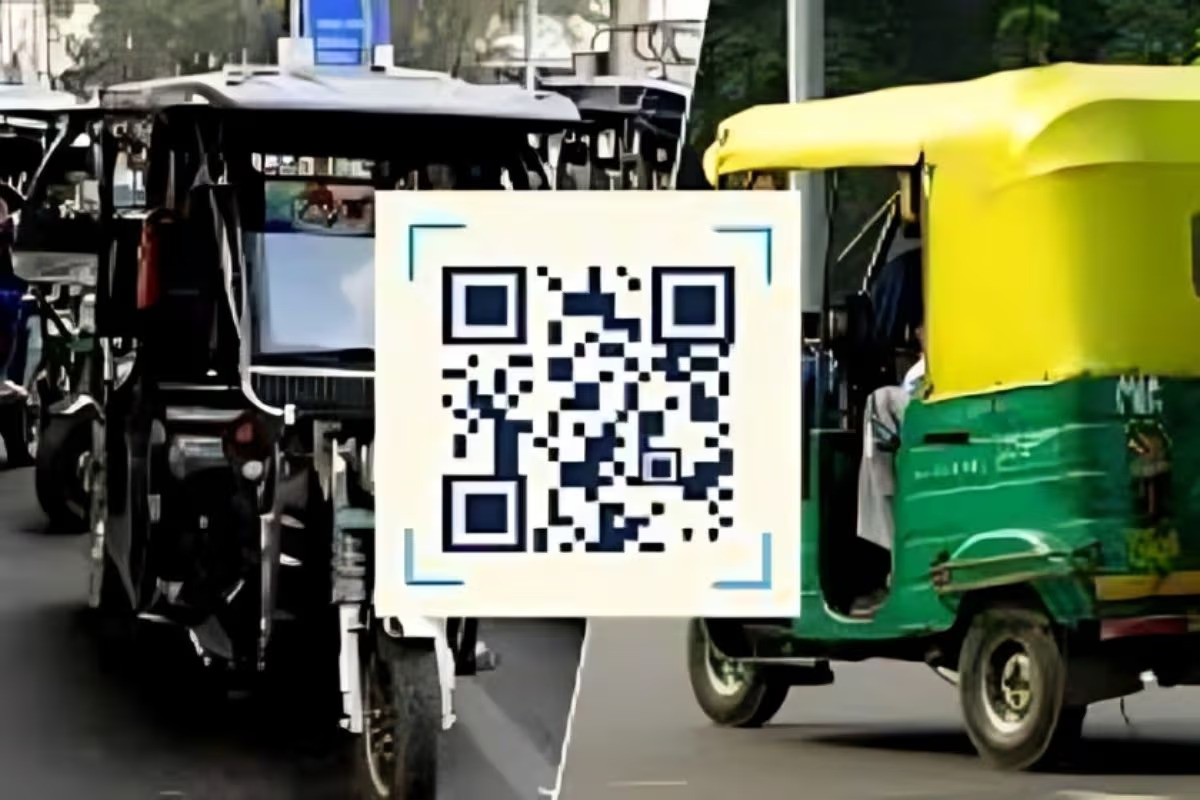
Urban transport regulators in Patna are preparing to overhaul the city’s auto-rickshaw licensing structure by expanding the number of authorised vehicles and introducing digital verification tools. The reform, led by the regional transport authority, will allow up to 22,000 auto-rickshaws to operate with official zonal permits while embedding QR codes on each registered vehicle to strengthen route monitoring and passenger safety.
The initiative marks a notable shift in the city’s urban mobility policy after nearly a decade of restrictions on issuing fresh city permits for three-wheelers. Officials say the updated framework aims to bring thousands of drivers operating informally into the regulated transport network while improving accountability in the sector. Under the revised system, approximately 19,800 vehicles will receive standard permits linked to designated operating zones, while an additional reserve pool will remain available for future demand. Applications will be processed digitally, enabling drivers to select preferred routes within their assigned zone before authorities finalize the allocation. Transport planners say the Patna auto permits programme could help rationalise traffic flows in a city where auto-rickshaws form a crucial part of last-mile connectivity. With limited public transport coverage across several residential and commercial districts, three-wheelers often serve as the primary link between neighbourhoods, bus stops and railway stations. A central component of the reform is the shift from paper-based documentation to a QR code identification system. Each authorised auto-rickshaw will carry a scannable code that displays key registration information, including the vehicle owner’s details, technical specifications and permitted operating route. Traffic enforcement personnel will be able to verify compliance instantly through handheld scanners or mobile devices.
Officials involved in the planning say the technology could also benefit passengers by allowing them to confirm whether a vehicle is legally registered before beginning a journey. Urban mobility specialists note that digital traceability can deter unauthorised route operations and strengthen oversight in high-density transport corridors. The move comes as city authorities attempt to address long-standing concerns over unregulated autos operating with rural permits or without valid documentation inside the urban limits. Such practices have historically exposed drivers to penalties during traffic inspections while also complicating enforcement efforts for transport departments. Industry observers believe formalising these vehicles through the Patna auto permits framework could provide greater economic stability for drivers while improving service predictability for commuters. Structured route allocation may also reduce congestion in oversaturated corridors by distributing vehicles more evenly across zones. From a broader urban planning perspective, experts say regulating intermediate public transport is vital for cities seeking more efficient and climate-conscious mobility systems. Auto-rickshaws, particularly those transitioning to cleaner fuels or electric variants, can support low-carbon urban transport when integrated into a coordinated mobility network.
For Patna, where rapid urban expansion is increasing travel demand across residential, commercial and institutional districts, the success of the permit overhaul will depend on transparent implementation and consistent monitoring. If executed effectively, officials say the new system could create a more organised and safer environment for both drivers and passengers while strengthening the city’s evolving mobility framework.
Patna Introduces QR Codes For Auto Rickshaws