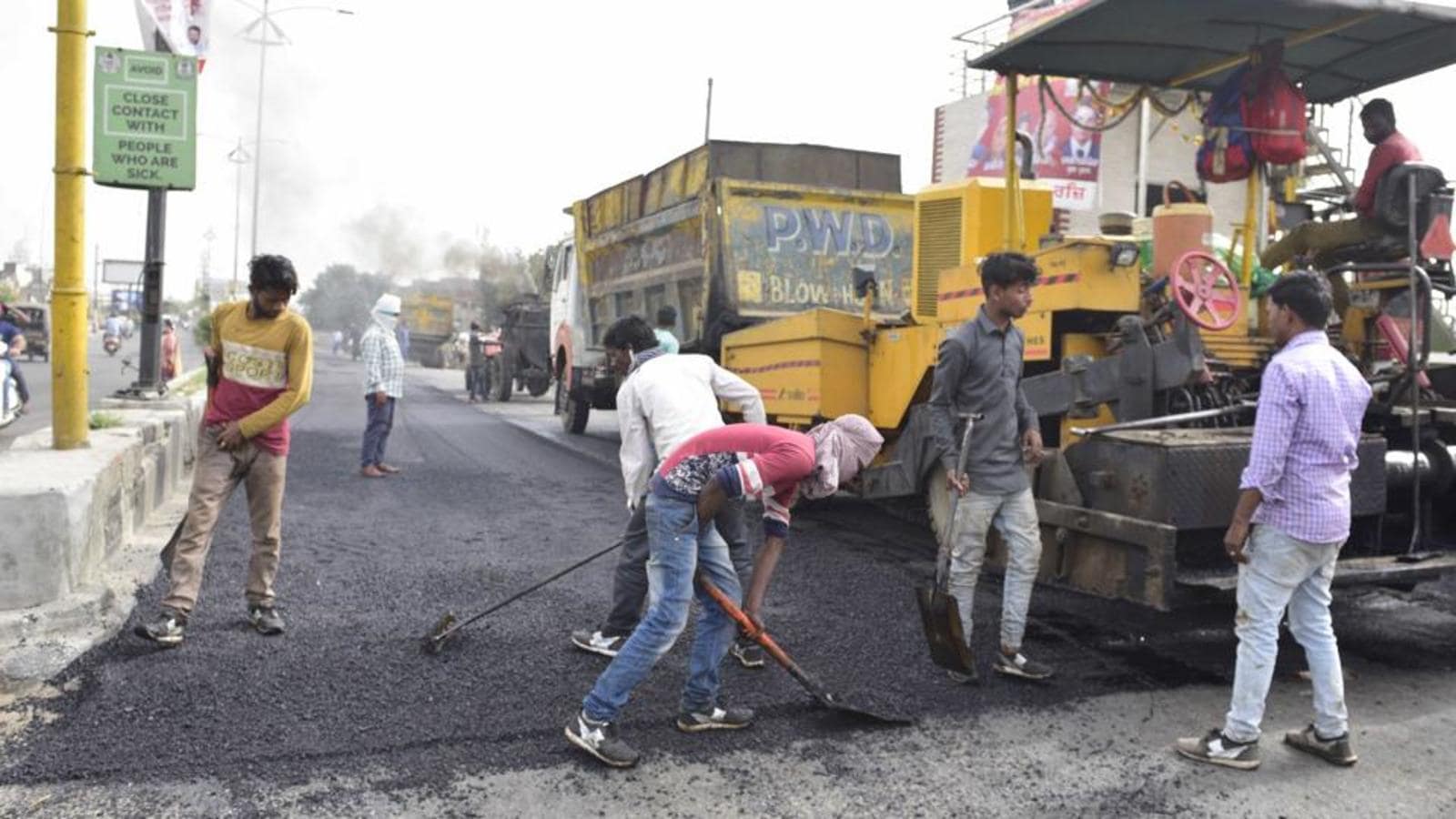
Patna Infrastructure Testing Lab Targets Safer Construction
Bihar is moving to institutionalise quality control in public works with plans to establish a dedicated testing facility for construction materials, a step that could reshape how urban infrastructure projects are monitored and delivered. The proposed Bihar infrastructure testing lab will support projects across cities by enabling in-house verification of materials such as concrete, steel and bitumen, addressing long-standing concerns around durability and execution standards.
The initiative is being led by the state’s urban infrastructure agency, which is responsible for delivering large-scale projects spanning water supply, sewerage, drainage and road networks. As the volume and complexity of projects increase, officials indicate that reliance on external testing agencies has often slowed verification processes and introduced variability in quality checks. The new facility is expected to streamline these processes while strengthening accountability within project execution systems. At a structural level, the Bihar infrastructure testing lab reflects a broader shift from output-driven construction to performance-led infrastructure delivery. Urban planners note that inadequate material testing has historically contributed to premature asset deterioration, cost overruns, and safety risks—particularly in fast-growing cities where infrastructure demand often outpaces regulatory capacity. By embedding testing within the project lifecycle, the state aims to reduce such inefficiencies and improve long-term asset resilience. The laboratory is expected to function as a centralised technical hub, capable of evaluating construction inputs before and during project implementation.
This could significantly reduce disputes between contractors and implementing agencies, while also enabling real-time corrective action in case of deviations from design standards. Industry experts suggest that such facilities can enhance transparency, especially when combined with digital monitoring tools and geo-tagged project tracking. The timing of the move is notable. Bihar is currently scaling up investments in urban infrastructure, including drainage systems, water networks and city-level upgrades. With multiple projects being executed simultaneously across districts, ensuring consistent quality has become a governance priority. A recent internal review mechanism within the implementing agency has already emphasised stricter monitoring, technical upskilling, and tighter scrutiny of project documentation to avoid execution gaps. Beyond immediate project outcomes, the Bihar infrastructure testing lab could have wider implications for the state’s construction ecosystem. Improved quality assurance mechanisms may enhance investor confidence, particularly in sectors such as real estate, logistics and industrial infrastructure where reliability of public assets is critical. It also aligns with emerging national priorities around sustainable construction, where material efficiency and lifecycle performance are gaining importance.
For cities, the impact could be more visible over time. Better-built roads, drainage systems, and public utilities not only reduce maintenance costs but also improve service delivery for residents. However, experts caution that the effectiveness of the lab will depend on how well its findings are integrated into procurement, contract enforcement, and on-ground supervision. As Bihar expands its urban footprint, the focus is gradually shifting from building faster to building better. The success of the Bihar infrastructure testing lab will ultimately lie in whether it can anchor this transition—ensuring that infrastructure growth is not only rapid, but also reliable, inclusive and resilient.