Patna Infrastructure Push Gains Urgency After Review
A renewed push to accelerate urban development is underway in Bihar’s capital, with authorities directing departments to fast-track pending works under a coordinated infrastructure review. The directive, centred on expediting the Patna infrastructure projects, reflects mounting pressure to address congestion, service gaps, and delays in execution across the city.
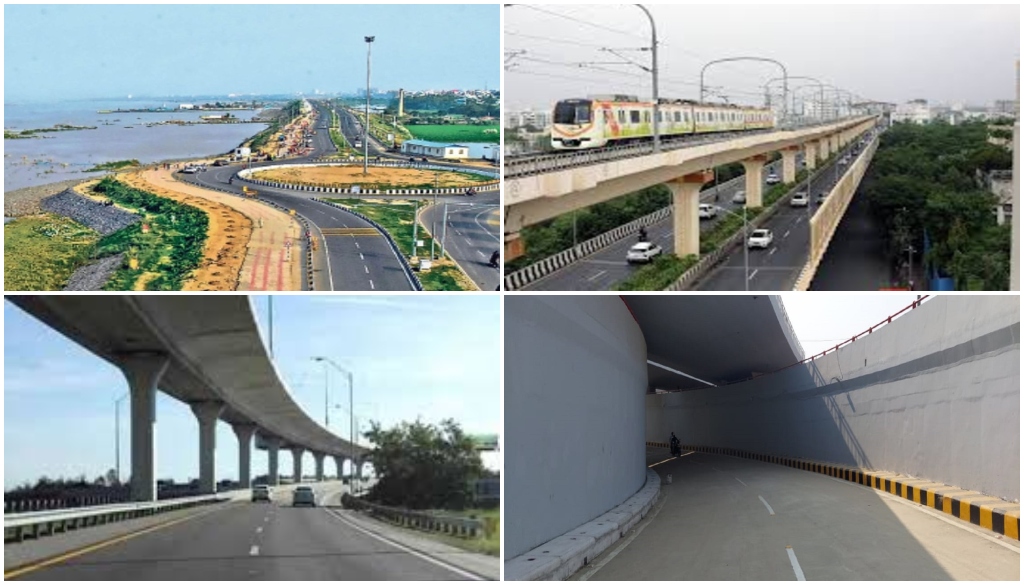
The review focused on multiple ongoing projects spanning road expansion, drainage upgrades, and public space development—areas that directly impact mobility and liveability. Officials have been asked to prioritise timely delivery while maintaining construction quality, signalling a shift from incremental progress to deadline-driven execution. Among the key interventions under scrutiny are road-widening corridors and connectivity improvements in western Patna, where rapid urbanisation has increased traffic density. Projects linking major arterial routes are expected to ease bottlenecks and improve travel time reliability, particularly in high-growth zones connecting residential clusters with employment centres. The emphasis on accelerating Patna infrastructure projects also extends to integrated urban systems such as drainage and public amenities. In areas prone to waterlogging, officials are prioritising underground drainage networks and canal-linked road improvements, aiming to reduce flood risks during the monsoon season. Such interventions are increasingly critical as climate variability intensifies pressure on ageing civic systems.
Urban planners point out that execution delays have long constrained the effectiveness of infrastructure investments in tier-two cities. Projects often face bottlenecks linked to land acquisition, inter-agency coordination, and contractor capacity. The current directive suggests a stronger administrative push to streamline these processes, ensuring that capital expenditure translates into functional assets within defined timelines. The review also highlighted the importance of aligning infrastructure delivery with the city’s long-term growth trajectory. As Patna expands outward, peripheral areas are witnessing increased demand for roads, utilities, and public spaces. Accelerated project completion in these zones could help distribute growth more evenly, reducing pressure on the historic core while enabling new urban clusters to emerge. From an economic perspective, faster execution of Patna infrastructure projects can have multiplier effects. Improved connectivity lowers logistics costs, enhances labour mobility, and supports local businesses by improving access to markets. For residents, timely completion translates into reduced commute times, safer roads, and more reliable civic services. However, experts caution that speed must be balanced with sustainability. Rapid construction without adequate planning can lead to environmental degradation, particularly in ecologically sensitive zones or floodplains.
Integrating green infrastructure—such as permeable surfaces, tree cover, and efficient drainage—will be essential to ensure that short-term gains do not create long-term vulnerabilities. The push for acceleration also underscores a broader governance shift towards performance monitoring in urban projects. Regular inspections, milestone tracking, and accountability mechanisms are expected to play a larger role in ensuring compliance with timelines. As Patna continues to evolve into a major urban centre in eastern India, the effectiveness of this accelerated approach will depend on coordination between departments, adherence to design standards, and sustained oversight. If managed effectively, the initiative could mark a turning point in how the city delivers infrastructure—moving from reactive fixes to more structured, forward-looking urban development.