Patna Infrastructure Expands With Stadium Renovation
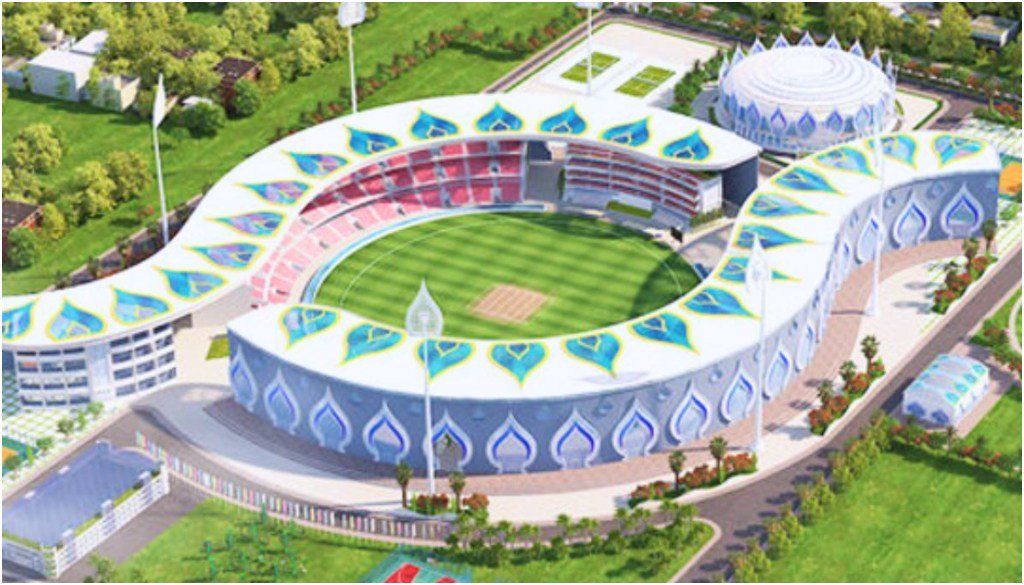
Patna authorities have approved a ₹32 crore renovation of Jagjivan Stadium, a community sports ground under the East Central Railway’s Danapur Division, aiming to transform the facility into a modern, multi-sport venue that supports local athletic talent and broader urban wellbeing.
This initiative reflects a growing recognition that inclusive, resilient urban infrastructure extends beyond transit systems to encompass public spaces that enhance quality of life and economic opportunity. The planned upgrade, initiated after a field inspection by senior railway leadership, is expected to upgrade seating areas, add state-of-the-art training facilities and introduce dedicated accommodation for visiting athletes and students. Structural improvements include expanded pavilions and potential sports hostels designed to support year-round training and competitions. Rail officials emphasise that this investment will expand the stadium’s role as a community asset for Khagaul and surrounding Patna suburbs, where access to organised sport and physical activity infrastructure is limited relative to the city’s swelling youth population. Local athletic groups and planners note that quality cultural and recreational infrastructure is linked to broader urban outcomes including healthier lifestyles, safer public spaces and enhanced social cohesion.
Beyond the facility itself, the development assessment included adjacent residential areas operated by the railway authority, with plans to improve broader social infrastructure such as parks and community halls — amenities that contribute to family-friendly neighbourhoods and support equitable access for residents across ages and incomes. Urban planners view the stadium overhaul as part of a broader shift in how transportation agencies contribute to holistic urban development. While rail operations remain the core mandate, investments in recreational infrastructure signal an expanded role in catalysing local economic activity and integrating diverse public-use spaces with major mobility assets.
Sporting infrastructure, particularly facilities accessible to youth and amateur players, has often been constrained in Patna’s dense urban districts. Analysts argue that targeted investment in such venues not only supports talent development but can also underpin ancillary economic activity — from event-day commerce to tourism and hospitality services — generating broader value beyond the stadium footprint. The use of transport-linked land for multi-purpose public amenities highlights emerging trends in Indian city planning where agencies traditionally focused on mobility are increasingly involved in delivering social infrastructure. This aligns with national urban policies that encourage integrated infrastructure investments to support equitable, sustainable, and resilient cities.
Key considerations in the months ahead will include fiscal discipline, effective project management, and ensuring that upgraded facilities remain accessible to diverse user groups. As execution begins, residents and civic stakeholders are watching closely to see whether the upgraded infrastructure catalyses broader opportunities for community sport, health, and economic engagement in Patna’s growing urban landscape.