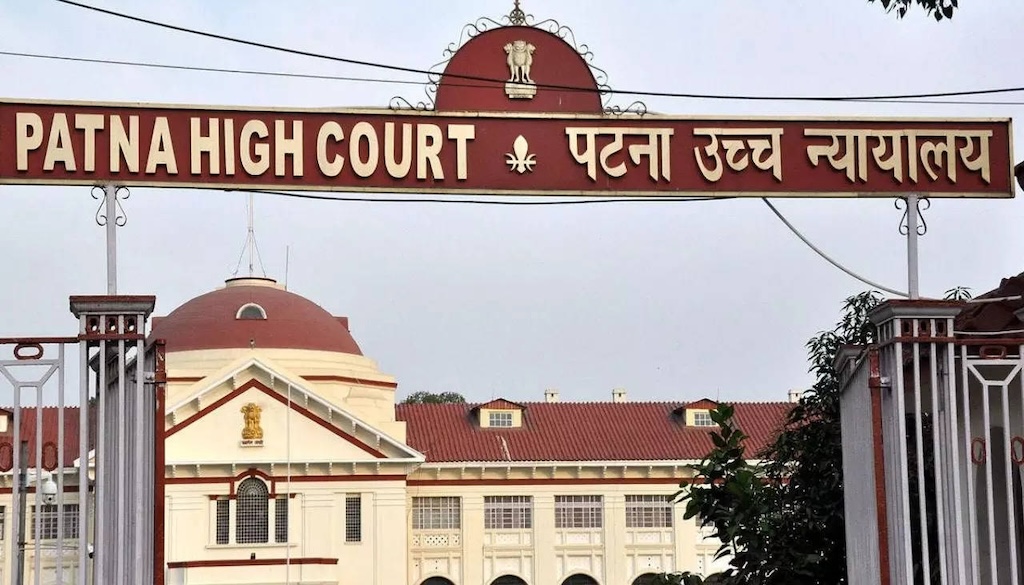
Patna High Court Questions Traffic Challan Settlement Policy
Patna: Judicial scrutiny over how traffic violations are resolved in Bihar has intensified after the state’s high court asked the government to clarify why traffic challan disputes are not routinely settled through Lok Adalats, a mechanism widely used in other states to dispose of minor offences quickly.
The intervention highlights the growing administrative challenge of managing large volumes of road-traffic cases in expanding urban regions such as Patna. The query emerged during the hearing of a public interest petition seeking clearer guidelines for the settlement of compounding offences related to road violations. The bench asked the state administration and legal services authorities to explain whether such matters could be routed through Lok Adalats — informal judicial forums designed to resolve disputes through mutual settlement rather than prolonged litigation.
Lok Adalats operate under the Legal Services Authorities Act, 1987, and are widely used across India to resolve minor civil and compoundable cases through negotiated agreements. Their rulings carry the legal weight of a civil court decree and are final, meaning parties avoid lengthy appeals and procedural delays. The petition argued that the absence of a streamlined system for addressing traffic challan disputes has created administrative bottlenecks for motorists. In some cases, pending challans can affect vehicle-related services such as document renewals or compliance checks, especially when drivers remain unaware of fines issued through digital enforcement systems.
Legal observers note that traffic management has become a growing governance challenge in cities where electronic enforcement tools — including camera-based monitoring and automated challans — generate thousands of cases each month. Without efficient dispute-resolution mechanisms, these cases can accumulate in courts, increasing the workload for judicial institutions and transport departments. Several Indian states have used Lok Adalats to settle large numbers of minor traffic offences in single-day sessions, allowing drivers to resolve cases by paying a negotiated or compounded amount. Such initiatives often coincide with nationwide legal settlement drives organised periodically by state legal services authorities.
Urban policy specialists say the issue is closely tied to broader efforts to modernise city governance. As enforcement becomes increasingly digital, authorities must also create accessible channels for resolving penalties, correcting errors and ensuring compliance without overwhelming the legal system. For Bihar’s capital, where road congestion and rapid vehicle growth are placing pressure on traffic management systems, efficient handling of traffic challan disputes could become an important component of urban governance. A faster settlement process may not only reduce administrative backlog but also encourage greater compliance with road safety regulations.
The court has asked the state to submit its position on the matter, signalling that a policy response or administrative framework could follow. The outcome may influence how traffic violations are handled across Bihar’s cities, particularly as authorities expand automated enforcement and digital transport services.