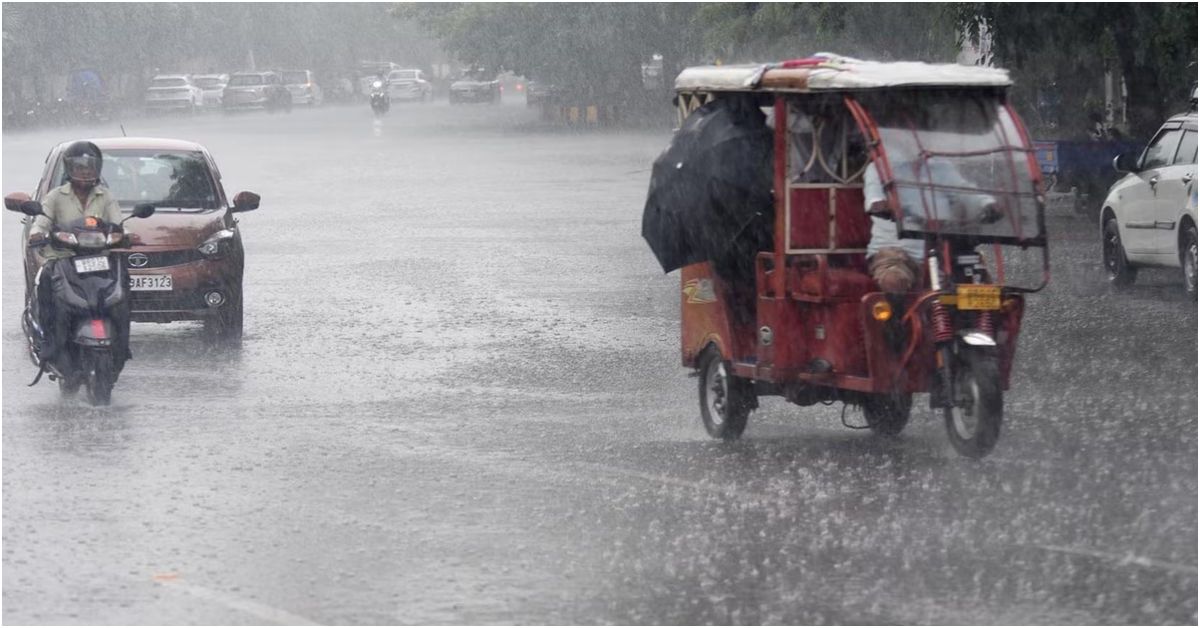
Patna is facing a fresh climate-risk test after the India Meteorological Department (IMD) issued an orange alert warning of hailstorms and strong winds across the city and surrounding districts. The alert matters not only as a short-term weather warning but also as a reminder that rapidly growing cities in eastern India are becoming increasingly vulnerable to sudden and extreme weather events.
The IMD’s orange alert indicates a high probability of disruptive weather conditions, including thunderstorms accompanied by gusty winds that could damage trees, power lines and light urban infrastructure. Recent national forecasts from the weather department have already flagged eastern and central states — including Bihar — as particularly vulnerable to strong pre-summer storm systems triggered by changing atmospheric patterns. Urban planners say the timing of the warning is significant. Patna has been experiencing rising temperatures over the past few weeks, and sudden hailstorms during this transition period can create multiple challenges at once: waterlogging due to intense short-duration rainfall, damage to fragile drainage systems and disruption to public transport and power supply. Similar weather alerts have been issued across neighbouring states such as Jharkhand and Odisha, indicating a broader regional weather pattern rather than a localised event. The impact of such weather alerts goes far beyond agriculture, which traditionally receives most attention during hailstorm warnings. In fast-growing cities like Patna, extreme weather increasingly affects urban infrastructure — from roadside trees falling on power lines to damage to under-construction roads and temporary structures.
IMD advisories from recent years have repeatedly warned that hailstorms and gusty winds can cause both minor and major damage to vulnerable structures, especially in densely populated urban areas. The orange alert also highlights a deeper urban challenge. Many eastern Indian cities are expanding rapidly but still lack climate-resilient infrastructure such as storm-water drainage systems designed for intense rainfall, underground power cabling and well-maintained urban green corridors that can absorb storm impact. As a result, even short-duration weather events often disrupt daily life — from traffic congestion to temporary power outages and delays in public services. Officials have advised residents to remain cautious and avoid unnecessary travel during severe weather conditions. For the city’s urban planners and policymakers, however, the larger question is whether such alerts will translate into long-term planning changes. As extreme weather events become more frequent, experts argue that cities like Patna may need to shift from reactive disaster management toward climate-resilient urban design — including stronger drainage networks, safer public spaces and more robust infrastructure systems.
The coming days will show whether the forecast results in significant disruption. But the growing frequency of such warnings suggests that weather alerts are no longer isolated events — they are becoming an integral factor shaping how cities plan infrastructure, manage public services and protect residents in the years ahead.