Patna Ganga Boat Ban Highlights Riverfront Safety Concerns
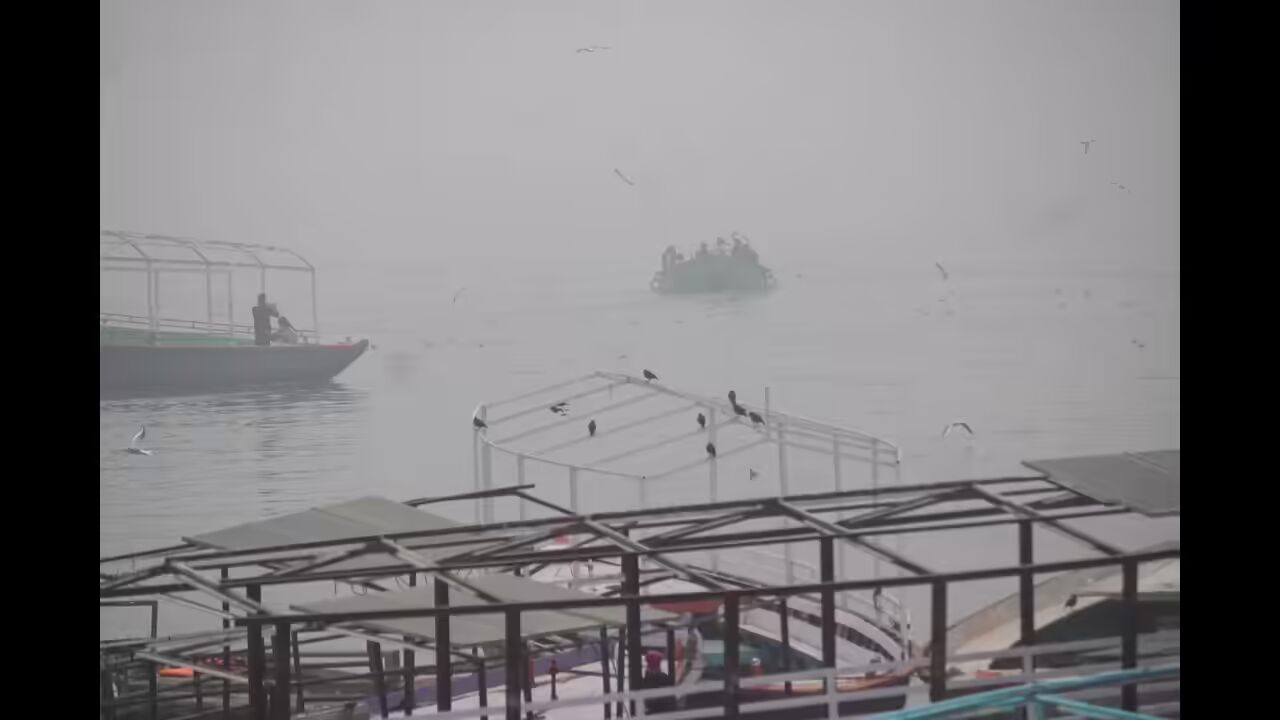
The Patna district administration has temporarily prohibited private boat operations in the Ganga River, introducing tighter safety and surveillance measures ahead of the upcoming Chaiti Chhath festival.
The move affects multiple riverfront ghats across the city and reflects a growing shift in how river-based public spaces are being managed in rapidly expanding urban centres. According to the official announcement, the ban will remain in force for several days during the festival period, when large crowds are expected to gather at the ghats for rituals and celebrations. Authorities have also deployed additional police personnel, magistrates and disaster-response teams along the riverbanks, while specialised units equipped with motorboats and trained divers will conduct continuous patrols to prevent overcrowding or unsafe river activities. Officials have indicated that the restrictions are primarily a safety measure. In recent years, riverfront gatherings in Patna have grown significantly due to population expansion and improved connectivity along the river corridor.
Large numbers of visitors now reach the ghats not only from the historic city centre but also from newly developed areas connected by projects such as the riverfront expressway corridor along the Ganga. The decision also reflects the administration’s attempt to avoid a repeat of earlier safety incidents. The city witnessed a major tragedy in 2017 when an overloaded boat capsized in the Ganga, leading to multiple fatalities and raising questions about regulation of private boat operations. Since then, safety planning around river-based events has become far more structured, particularly during large festivals that attract thousands of visitors in a short time. Urban planners say the ban highlights a broader transition in how Indian cities are treating riverfronts. Once viewed largely as informal recreational or religious spaces, riverbanks are now being integrated into city infrastructure through transport corridors, tourism facilities and public-space development.
As a result, safety, crowd management and environmental protection are becoming core planning priorities rather than temporary administrative actions. The Patna riverfront, in particular, has seen rapid changes in recent years, including improved road connectivity and public access to multiple ghats. While this has increased footfall and tourism potential, it has also placed pressure on safety systems, especially during religious events when large crowds gather near the water simultaneously. The temporary ban on private boat operations therefore reflects more than a festival-specific decision. It signals a more cautious approach to managing river-based activities in a densely populated city where public safety, environmental protection and urban expansion now intersect.
As festival preparations continue, the effectiveness of these measures will likely influence how riverfront events are regulated in the future, particularly in cities where rapid urban growth is bringing more people into direct contact with vulnerable natural spaces such as rivers and wetlands.