


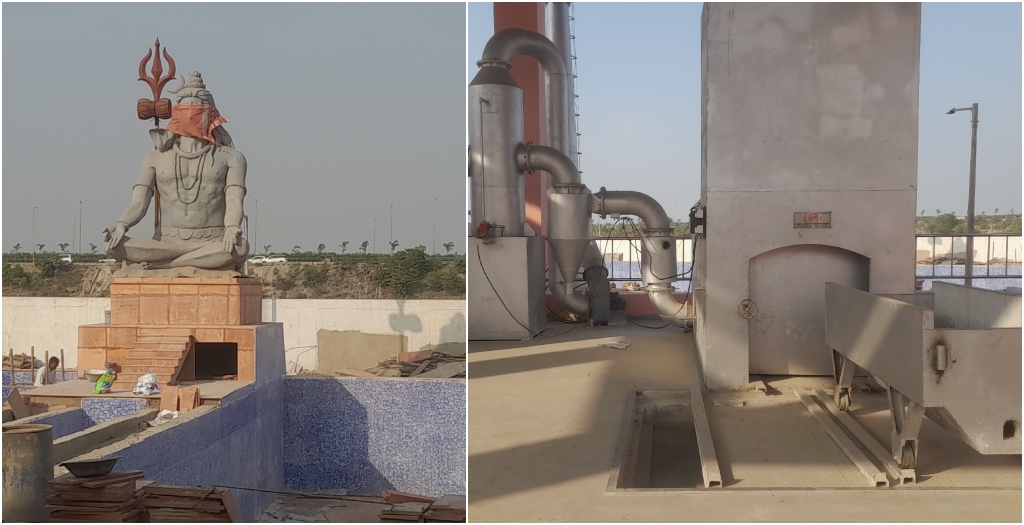
A newly developed high-tech crematorium in Patna is redefining how urban funeral infrastructure is designed, with integrated services that combine cremation facilities, essential supplies, and on-site food provisions. Located at Bans Ghat, the project signals a shift towards more organised, accessible, and service-oriented end-of-life infrastructure in Indian cities.
Officials indicate that the facility has been designed as a comprehensive ecosystem rather than a standalone cremation ground. In addition to modern cremation systems, the site includes a dedicated retail section offering a wide range of ritual materials—aimed at reducing the logistical burden on families during emotionally difficult times. The inclusion of a structured canteen within the premises marks a notable departure from traditional crematorium models. Authorities have planned a menu of basic meals and refreshments, ensuring that visitors have access to essential food services without needing to leave the site. The pricing of these items is expected to remain standardised to prevent overcharging, a concern often reported in informal service environments around older cremation grounds. Urban development experts view this high-tech crematorium model as part of a broader evolution in civic infrastructure. Historically, cremation spaces in Indian cities have been underinvested, often lacking basic amenities, sanitation, and climate resilience. The new facility introduces a more formalised approach that aligns with contemporary expectations of public service delivery—particularly in high-density urban centres.
The crematorium upgrade also has implications for environmental sustainability. Across India, electric and modern cremation systems are being promoted as alternatives to traditional wood-based methods, which are resource-intensive and contribute to air pollution. While specific technical details of the Patna facility remain limited, the move towards modernised infrastructure reflects a growing policy focus on cleaner and more efficient funeral practices. From a planning perspective, integrating multiple services within a single site can improve operational efficiency and reduce congestion in surrounding areas. Funeral gatherings often generate temporary spikes in demand for transport, supplies, and food. By consolidating these needs, cities can better manage land use and reduce informal, unregulated activity around sensitive public spaces. The development also highlights an often-overlooked dimension of urban equity. Access to dignified, affordable, and well-managed funeral services remains uneven across Indian cities.
By formalising service delivery and introducing transparent pricing, such facilities can help reduce financial and emotional stress for families, particularly those from lower-income groups. As cities like Patna continue to expand, investments in social infrastructure—including crematoriums, healthcare, and public amenities—are becoming as critical as transport and housing. The success of this high-tech crematorium model will depend on operational management, affordability, and its ability to scale across other urban centres. If implemented effectively, such integrated facilities could set a precedent for how Indian cities approach dignity, efficiency, and sustainability in end-of-life infrastructure.
Patna Funeral Infrastructure Evolves With High Tech Facility
