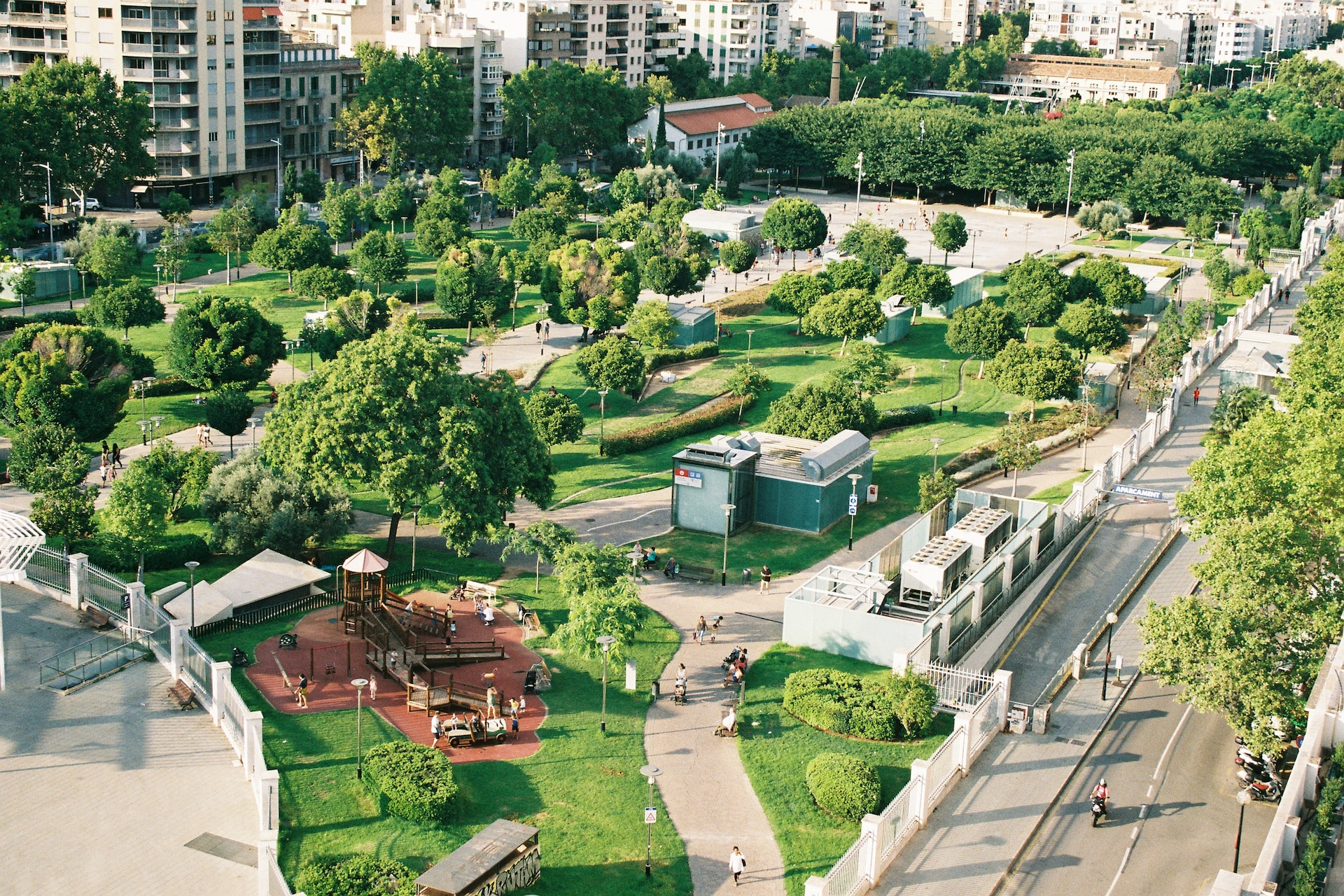
Patna Expands Green Zones to Combat Heat and Pollution Crisis
As Patna continues to face mounting environmental challenges from rising pollution and soaring temperatures, city authorities are rolling out a new strategy focused on expanding green zones. With rapid urbanisation having choked natural landscapes, the city now aims to establish tree-lined avenues, community parks, and buffer green belts. Experts highlight this green infrastructure approach as key to reducing air pollution, managing heat stress, and improving urban liveability in one of Bihar’s fastest-growing cities.
The need for green zones in Patna is becoming urgent as dense construction and vehicular emissions have led to deteriorating air quality and unbearable heat during summer months. Experts have identified a direct link between declining green cover and the increase in fine particulate matter, with the city’s AQI often staying in the ‘poor’ range. To address this, the city is planning to develop community parks, urban forests, and roadside plantations to act as carbon sinks and reduce the heat island effect. Authorities are also exploring vertical gardens and rooftop greening for high-density areas lacking open land. The proposal includes demarcating areas around major roadways, schools, hospitals, and residential colonies to serve as mini-green belts. These zones will not only help improve microclimates but are expected to enhance biodiversity and improve residents’ mental well-being. Implementation will involve close coordination among municipal departments, environmental agencies, and civic stakeholders to ensure long-term upkeep and compliance.
Patna’s push for urban greenery is part of a broader climate adaptation strategy that aims to balance infrastructure growth with ecological resilience. Currently, a significant portion of the city’s open space has been lost to unregulated construction, limiting natural drainage, shade, and breathable air. Green zones are now being seen as critical buffers against extreme weather events, especially during heatwaves, which have intensified in frequency and duration. Authorities have begun mapping locations where native trees can be planted to ensure ecosystem compatibility and low maintenance. In addition to aesthetic value, these spaces are intended to absorb pollutants, reduce noise levels, and lower ground temperatures. Incentives for private property owners to contribute to greening efforts through rooftop gardens or courtyard plantations are also on the table. Experts emphasise that the success of this initiative will rely on integrating community participation and regular environmental audits to ensure sustained impact over time.
With Patna’s environmental stress indicators on the rise, the move to develop green zones signals a timely shift towards more sustainable and resilient urban planning. The initiative reflects growing recognition of the need to counter the heat and pollution burden through nature-based solutions. While the city still faces hurdles in terms of land availability, funding, and maintenance capacity, the commitment to build greener, cooler, and healthier neighbourhoods offers hope. Long-term success will depend on how swiftly and effectively these plans are translated into action, with public cooperation, scientific planning, and administrative will working in tandem.