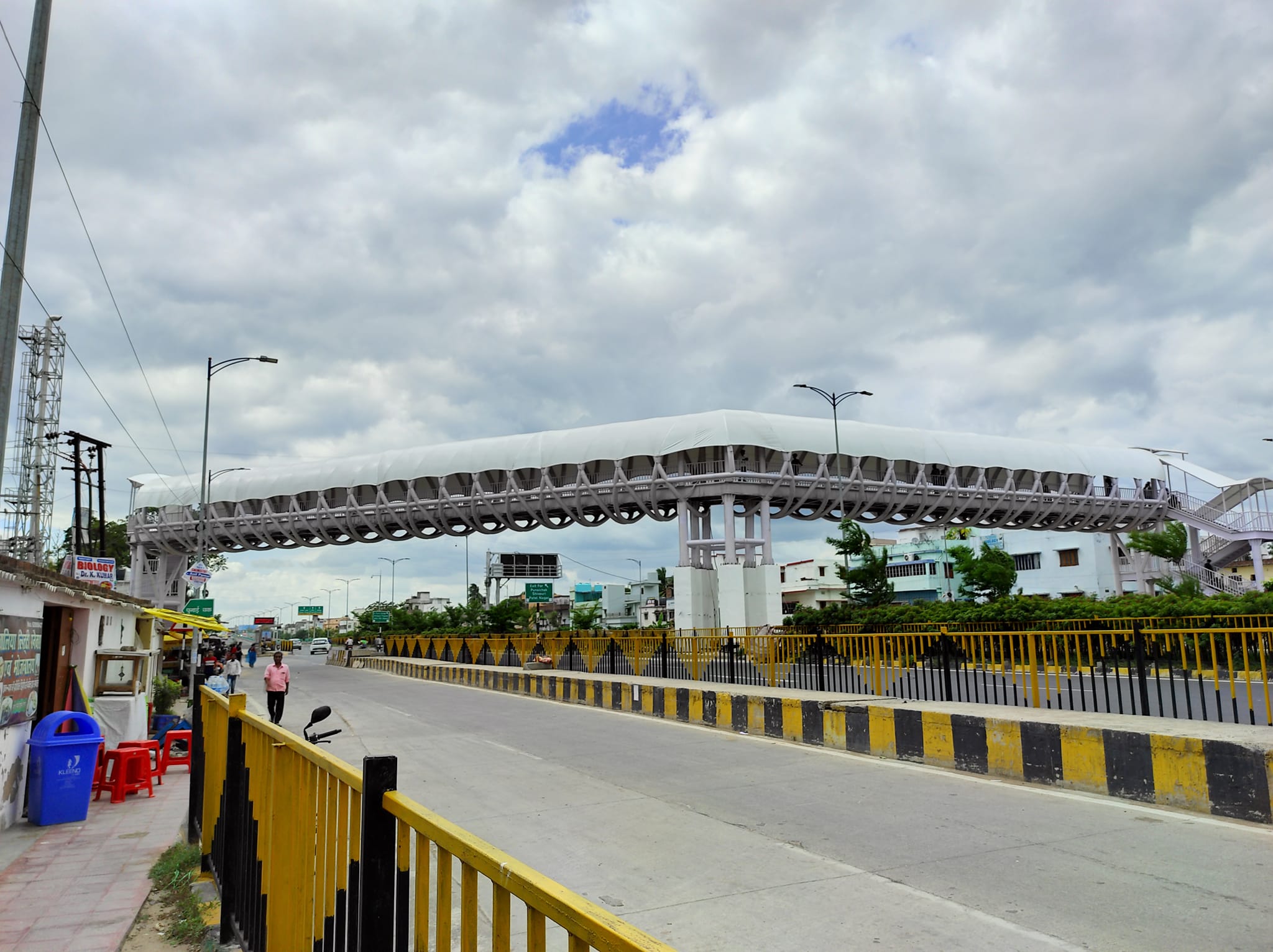
Patna Enhances Walkability With New Crossings Strategy
Patna, Bihar — Urban mobility planners in Patna have escalated efforts to strengthen pedestrian safety across the city’s expanding road network, approving a comprehensive strategy that includes the construction of footbridges, expansion of zebra crossings and creation of well-defined pedestrian corridors at key traffic zones.
The move, endorsed at a high-level meeting chaired by senior municipal officials, reflects growing recognition that walkable, safe streets are foundational to equitable and sustainable urban development — especially as motorised traffic intensifies along major arteries. City officials reviewed detailed proposals identifying priority locations where vulnerable road users — including schoolchildren, senior citizens and daily wage commuters — face elevated risk due to traffic speed and volume. Proposed interventions include footbridges at major intersections and arterial routes, expanded zebra-marked crosswalks, improved signal-timing for pedestrians at traffic lights, and protective measures such as railing and raised kerbs to discourage unsafe road crossing. Early planning documents suggest that Patna’s approach will cover corridors with both high accident rates and strategic connectivity value for residential communities.
Urban transport analysts note that street-level safety infrastructure — often neglected in fast-growing cities — has a direct impact on liveability, health outcomes, and economic access, particularly for non-motorised road users. In Patna’s context, where commuting patterns increasingly involve mixed traffic flow of pedestrians, two-wheelers, buses and goods vehicles, enhancing walkability is essential to preventing injuries and fatalities. A livability study by a transport policy institute recently underscored that cities with well-designed pedestrian facilities typically see a marked reduction in crossing-related accidents and increased public confidence in shared streets. The policy review also emphasised inclusive design principles. Rather than merely erecting overpasses, planners seek to integrate accessible features such as ramps, tactile surfaces for those with visual impairment, guardrails and shaded walkways — measures that support mobility for all residents, including persons with disabilities and older adults. This aligns with broader national guidelines on accessible public infrastructure and resonates with global best practices being adopted in cities that prioritise universal pedestrian access.
Fiscal planning for these interventions is tied to the current municipal budget cycle, with funds earmarked for design, construction and public outreach campaigns. Civic engineers have been instructed to complete feasibility surveys and submit tender documents for public works contracts within the next quarter. Once approved, construction phases will be coordinated to minimise disruption to traffic and adjoining commercial activity. Safety advocates welcomed the initiative but stressed that infrastructure must be complemented by enforcement and education campaigns. Measures such as designated pedestrian signals, speed-calming zones near schools, and public messaging about road-use rights and responsibilities are integral to significantly reducing preventable accidents. Policymakers acknowledged these concerns, indicating plans for an inter-departmental road safety task force to oversee implementation and monitor outcomes.
Patna’s pedestrian safety push coincides with a broader rethink of urban mobility that seeks to balance private vehicle growth with non-motorised and public transport accessibility. Investments in walkability are increasingly seen not as add-ons, but as essential components of climate-resilient mobility systems that reduce congestion, lower carbon emissions and support healthy, active lifestyles. Experts also point out that better pedestrian infrastructure can stimulate local commerce. Streets that are safe and walkable encourage foot traffic to small businesses, eateries and retail hubs — an outcome particularly relevant for neighbourhoods outside the city’s central business districts. However, challenges remain. Resource constraints, coordination across traffic enforcement agencies and ensuring equitable deployment across neighbourhoods — especially in low-income and peri-urban wards — will require sustained political will and community engagement. Monitoring systems for pedestrian volumes and incident reporting are likely to be introduced to guide ongoing prioritisation.
If implemented effectively, Patna’s pedestrian safety framework could serve as a model for medium-sized Indian cities seeking to improve urban mobility while advancing inclusive, human-centred development that respects both movement and well-being.