Patna Education City Project Targets Global Campus
Bihar has moved a step closer to building a large-scale higher education hub with the preparation of a detailed project report for a 250-acre integrated campus near Patna. Conceived as a shared academic ecosystem, the initiative signals a strategic shift toward positioning the state as a knowledge-driven economy while reshaping peri-urban growth patterns around the capital.
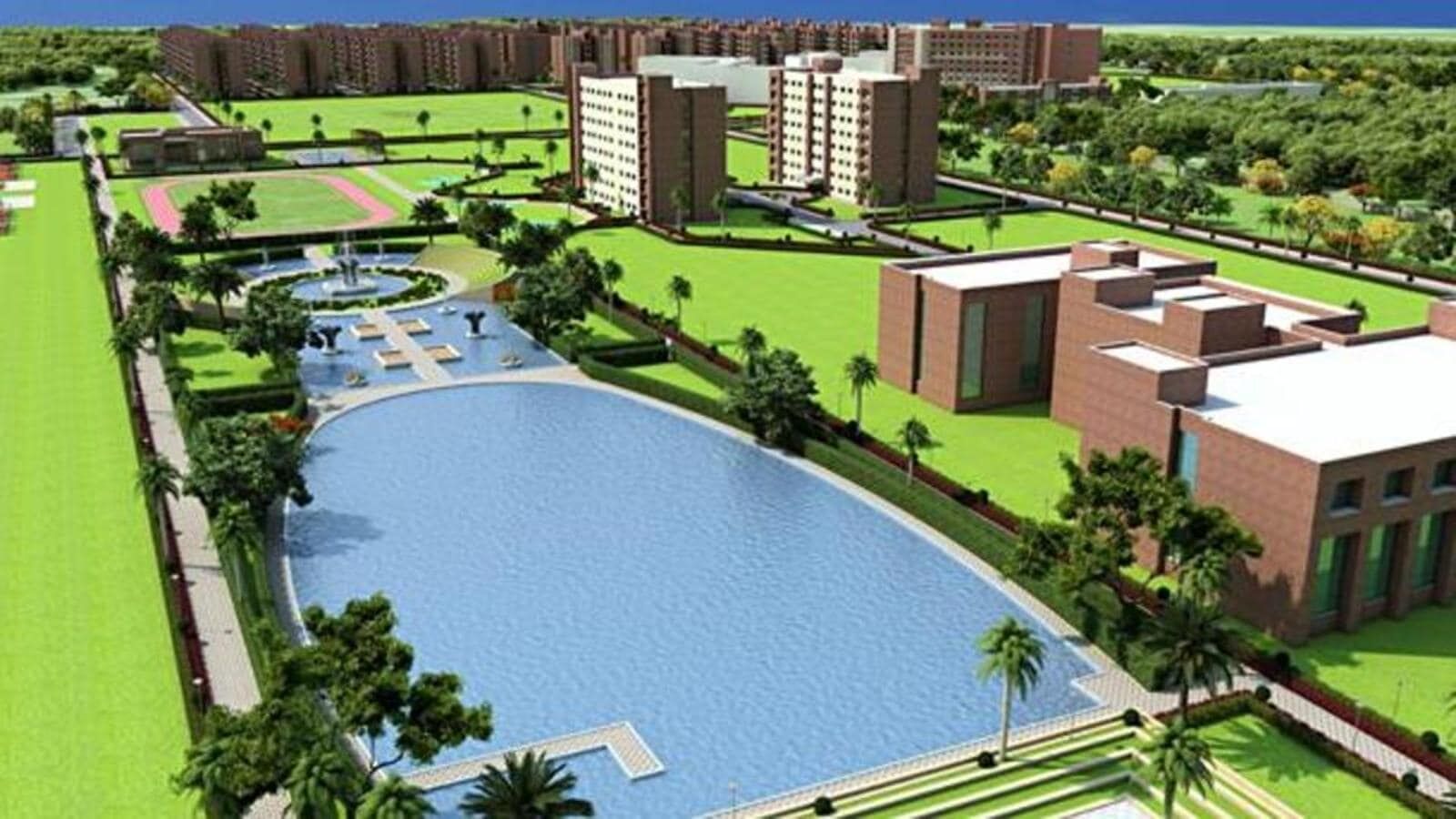
The Bihar education city project is designed around a multi-institutional campus model, where universities and colleges will operate within a common infrastructure framework. This approach, inspired by international education clusters, is expected to optimise land use, reduce duplication of facilities, and foster collaboration between institutions—an area often lacking in fragmented higher education systems. Planned across more than 250 acres, the campus will integrate academic, residential, and recreational functions into a single urban node. Proposed infrastructure includes digital libraries, advanced laboratories, research centres, student housing, and sports complexes, alongside faculty accommodation. Urban planners view this mixed-use design as critical to building self-sustained education districts that reduce commuting pressures and support inclusive access to learning environments.
With an initial outlay of over ₹547 crore, the project is expected to evolve further as design frameworks are refined in consultation with international experts. Authorities are examining global models from countries such as Japan and Singapore to develop a campus that aligns with emerging standards in research, sustainability, and digital learning infrastructure. Beyond academic outcomes, the Bihar education city project carries wider economic implications. By clustering institutions, research centres, and innovation facilities, the campus is likely to catalyse local employment, stimulate demand for housing and services, and attract private sector participation in education and technology sectors. Industry observers suggest such hubs can strengthen academia–industry linkages, particularly in states seeking to retain talent and reduce outward migration.
The project also intersects with broader urbanisation trends in Patna, where expansion pressures are increasingly shifting toward peripheral zones. Large institutional developments of this scale often act as anchors for new residential and commercial corridors, requiring parallel investments in transport, water systems, and climate-resilient infrastructure. Ensuring that growth remains planned and equitable will be central to the project’s long-term success. While Bihar already hosts a range of established institutions, access to integrated, high-quality higher education infrastructure remains uneven. The proposed campus attempts to address this gap by creating a consolidated ecosystem that supports research, skill development, and interdisciplinary learning within a single geography.
As the project moves toward final design and implementation, its effectiveness will depend on execution timelines, governance structures, and the ability to attract credible academic and industry partners. If delivered as envisioned, it could redefine Bihar’s role in India’s education and innovation landscape, while offering a scalable model for other emerging urban regions.