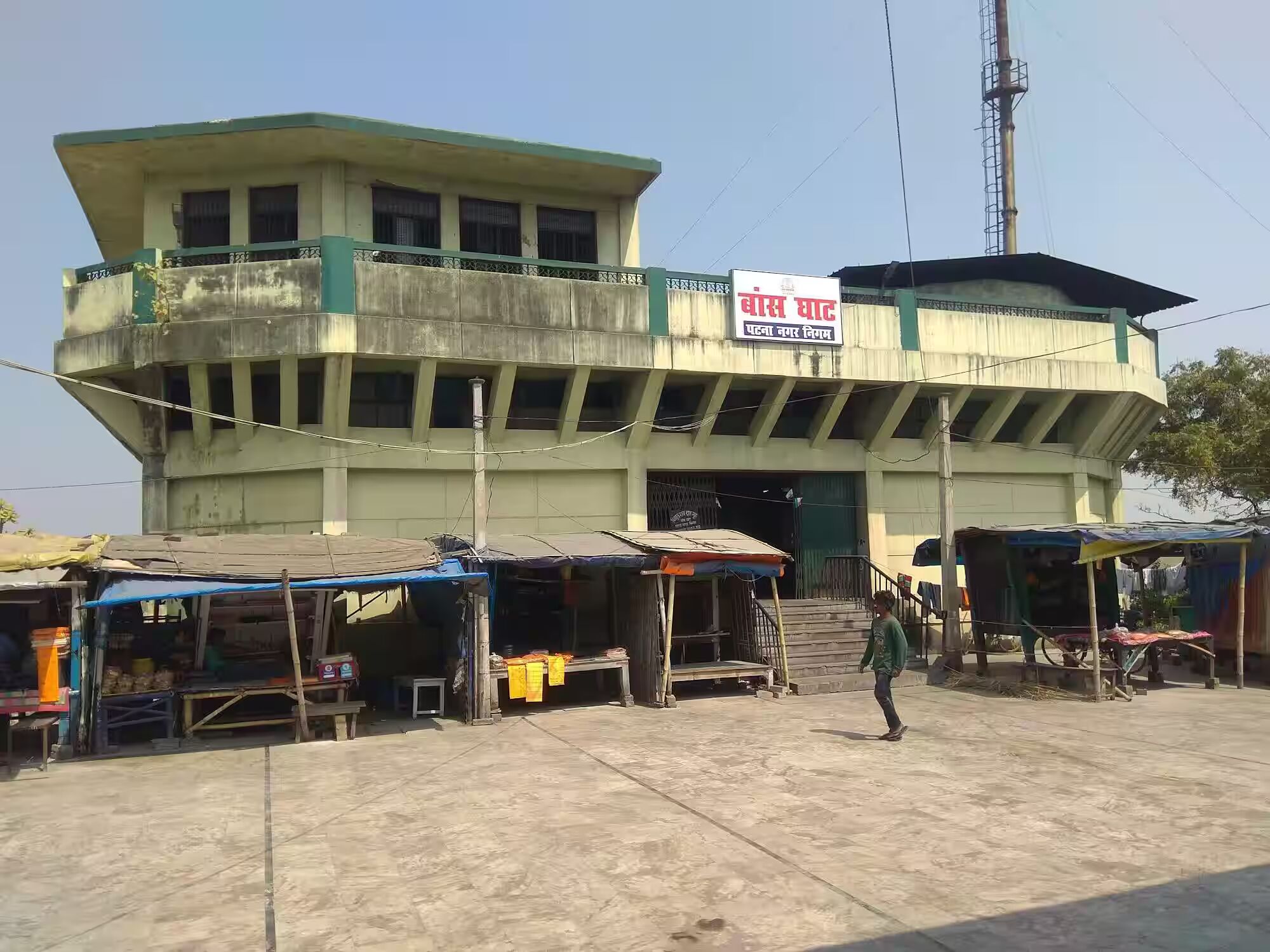
A transition towards cleaner urban infrastructure is underway in Patna, where authorities are preparing to establish the state’s first LPG-based crematorium at Digha Ghat. The project marks a significant shift in how essential civic services—often overlooked in urban planning—are being redesigned to align with environmental and public health priorities.
The proposed facility will introduce liquefied petroleum gas (LPG)-powered furnaces as an alternative to traditional wood-based cremation. Officials involved in the project indicate that the system is intended to reduce dependence on firewood, lower emissions, and streamline the cremation process, which has historically been both resource-intensive and time-consuming. Planned on over two acres of allocated land, the crematorium will function as a multi-use complex with supporting infrastructure such as waiting areas, administrative spaces, and designated ritual zones. The model attempts to balance cultural continuity with technological upgrades, allowing traditional rites to be performed before the cremation process shifts to a controlled, fuel-based system.
Urban experts view the initiative as part of a broader recalibration of public infrastructure in riverfront cities. Cremation ghats, particularly those along the Ganga, have long faced environmental scrutiny due to particulate emissions, wood consumption, and waste discharge into water bodies. Introducing LPG-based systems can significantly reduce smoke output and improve local air quality, especially in densely populated areas where such facilities operate in close proximity to residential neighbourhoods. The move also intersects with climate resilience and land-use efficiency. Traditional cremation requires substantial space and resources, while fuel-based systems can operate in more compact, regulated environments. This becomes particularly relevant in cities like Patna, where riverbank infrastructure is frequently disrupted by seasonal flooding, affecting access to essential services.
Institutionally, the project is being implemented through a partnership model involving the municipal corporation and a non-profit initiative, signalling an emerging trend of collaborative governance in urban service delivery. Such arrangements are increasingly being used to introduce specialised infrastructure without overburdening civic finances, while also ensuring long-term maintenance and operational accountability. However, the success of LPG-based cremation systems will depend on public acceptance and affordability. In many parts of India, funeral practices are deeply rooted in tradition, and behavioural transition towards alternative methods requires sustained awareness and trust-building. Experts suggest that integrating design elements that respect ritual practices could ease this shift.
For Patna, the project represents more than a technological upgrade—it signals a gradual rethinking of how cities manage lifecycle infrastructure. As urban centres expand, embedding sustainability into even the most sensitive civic services will be key to building inclusive, low-emission, and resilient urban systems.