


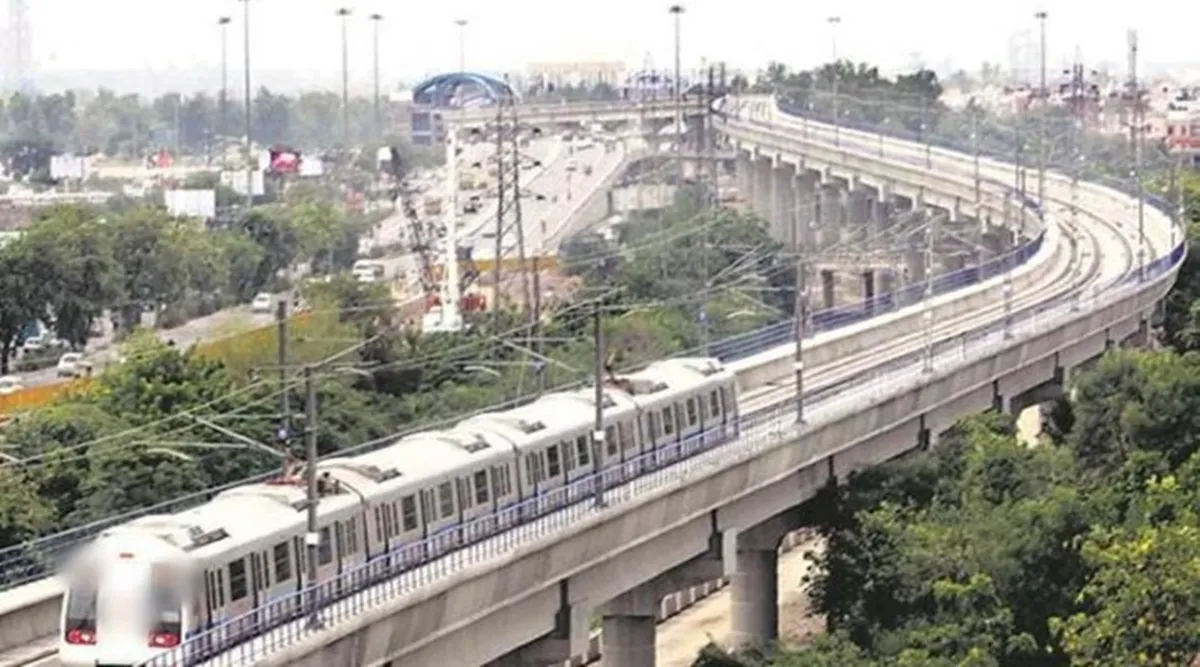
Patna’s fast-expanding urban landscape is set for a major push as district authorities have directed the relocation of temples standing in the path of critical infrastructure projects, including the Metro rail and the Danapur–Bihta elevated corridor. The decision, officials explained, is aimed at accelerating projects that are central to the city’s mobility, sustainability, and economic growth.
At a high-level review meeting, district authorities ordered that the Radha Krishna temple near the proposed PMCH Metro station be shifted to enable unhindered progress on the Metro rail project. Similar directives were issued for temples located near Bihta Chowk and Godhna, which are obstructing the Danapur–Bihta elevated corridor. Officials said the relocations are essential to align with deadlines for multiple high-value projects and to reduce public inconvenience caused by delays. The review covered over 30 ongoing projects, including the Ramnagar–Kacchi Dargah expressway (Phase II), the new Kanhauli bus stand, and road and bridge works under the Pragati Yatra programme. Authorities emphasised that civic growth and connectivity improvements cannot be compromised by unresolved land and structural disputes. Revenue and land acquisition officers were asked to update ownership records promptly, finalise compensation packages, and ensure smooth relocation processes.
Progress on the Metro is of particular focus, with land at Rupaspur already earmarked for storing construction materials. Officials stressed that temple relocation would be carried out sensitively, with respect for community sentiments, but also with clarity that public infrastructure of city-wide significance cannot be stalled indefinitely. Meanwhile, work on the Kanhauli bus stand has gained pace, with the district land acquisition officer tasked with securing expert committee approval on the site and notifying stakeholders soon. Alongside, the Pragati Yatra initiative has prioritised bridges across the Punpun and Dhova rivers, including a suspension-style Lakshman Jhula, as well as road upgrades to decongest rural–urban corridors. Public demand for faster progress on projects has grown louder as traffic snarls and construction bottlenecks increasingly affect daily life in Patna. Urban experts note that streamlining projects such as the Metro rail and elevated corridors will not only ease mobility but also reduce emissions from vehicles stuck in gridlock, contributing to Patna’s broader sustainability goals.
The district magistrate reinforced the importance of active engagement by circle officers and revenue officials in ongoing village-level camps under Pragati Yatra. Between early and late August, 21 villages in Naubatpur and Bihta circles hosted such camps, where residents raised concerns over delays and land valuation disputes. Patna’s development trajectory is at a decisive juncture. While the relocation of religious structures is often a sensitive subject, civic planners argue that ensuring balance between cultural heritage and public infrastructure is essential. The city’s ability to deliver on Metro connectivity and road upgrades could well define its transformation into a modern, sustainable urban hub.
Also Read : Kochi Metro Phase II Achieves Milestone As First Pier Cap Installation Begins Today
