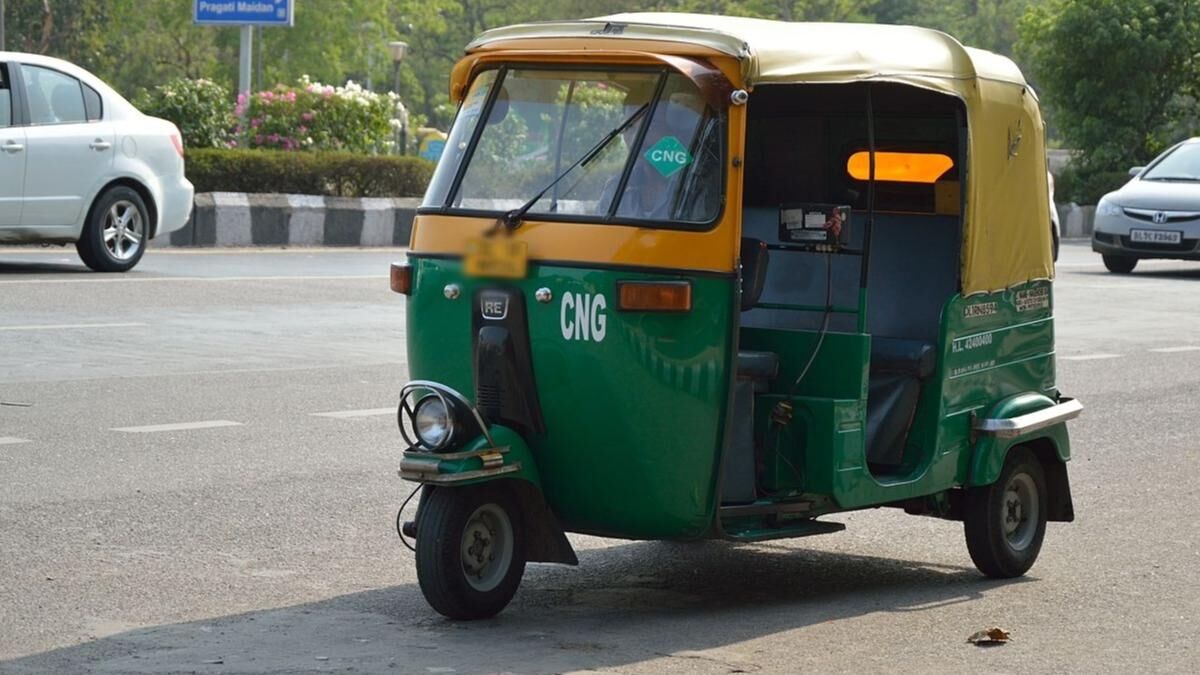
Patna Diesel Auto Ban Pushes Cleaner Mobility Shift
Patna’s decision to phase out diesel-run autorickshaws marked one of the earliest attempts by a tier-two Indian city to tackle urban air pollution through transport reform. The policy, approved by the state government in late 2019, aimed to remove diesel autos from municipal areas in a phased manner starting January 2021 and replace them with cleaner alternatives such as compressed natural gas (CNG) and battery-powered vehicles.
The move was driven by growing concerns over deteriorating air quality in the Bihar capital. Officials at the time described transport emissions as one of the key contributors to rising pollution levels, particularly during winter months when particulate matter concentrations were among the highest recorded in Indian cities. The policy therefore focused first on diesel-powered three-wheelers, which form a large part of the city’s last-mile transport network. Under the plan, diesel autorickshaws were to be removed from the Patna Municipal Corporation area by the end of January 2021, followed by nearby urban zones such as Danapur, Khagaul and Phulwarisharif. The government also announced financial incentives to encourage operators to switch to cleaner vehicles, including subsidies for converting existing autos to CNG or battery power. Analysts say such financial support is often essential in cities where thousands of drivers depend on informal transport for their livelihood. The diesel auto ban also formed part of a wider strategy to modernise urban mobility systems in fast-growing state capitals. Along with phasing out older commercial vehicles, the government began promoting alternative fuels and exploring new regulations for public transport.
Transport planners note that tier-two cities such as Patna face a unique challenge: rapid population growth has increased dependence on informal transport systems, but infrastructure upgrades have not kept pace with demand. Implementation of the policy has continued in phases. Subsequent government notifications and enforcement drives reinforced the shift by allowing only CNG-based autos and electric alternatives in certain municipal areas. While the transition has been gradual, officials have maintained that the long-term goal is to reduce vehicular emissions while improving the efficiency of urban transport networks. Urban policy experts believe the decision was significant not only for pollution control but also for future mobility planning. By pushing the shift toward cleaner fuels early, the city created a framework that could support electric mobility, better public transport integration and reduced dependence on high-emission vehicles. For residents, especially those who rely heavily on autorickshaws for daily commuting, the policy signalled a gradual shift toward cleaner and more sustainable transport systems.
The real challenge, however, remains execution and infrastructure support. Expanding CNG networks, improving charging infrastructure and ensuring affordable vehicle upgrades will determine whether the policy leads to long-term improvements in air quality. If successfully implemented, the diesel autorickshaw phase-out could become a model for other fast-growing cities seeking to balance mobility demand with environmental sustainability.