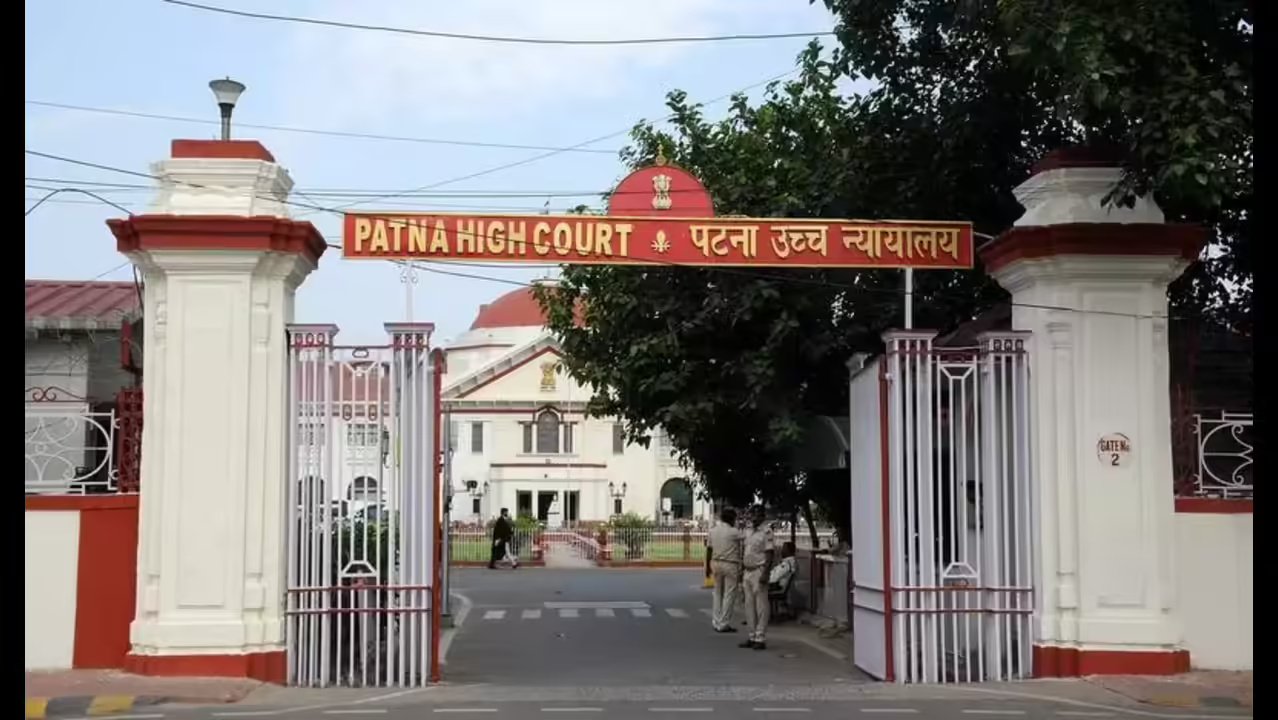
Patna High Court has sharply criticised the Bihar government’s enforcement of the state’s liquor ban, underscoring wider governance and socio-economic challenges in one of India’s largest dry-state experiments.
In a ruling this week, the bench expressed concern that gaps in implementation of the Bihar Prohibition and Excise Act, 2016 are contributing to illicit alcohol circulation, public health risks and a parallel underground economy that disproportionately affects young adults and marginalised communities. The court’s observations came during hearings on a pre-arrest bail plea from a teenager facing charges related to illegal liquor transport — a case that has become emblematic of broader enforcement issues. Senior members of the judiciary voiced alarm that outlawing alcohol at the legislative level has not translated into systematic regulatory control on the ground, with underserved districts emerging as hotspots for spurious liquor trade.
Bihar’s prohibition regime, introduced with legislative unanimity in 2016 to curb alcohol-related harms and bolster public order, remains one of the most stringent in India. It bans manufacture, sale, transport and consumption of all intoxicants, with some of the toughest penalties in the country. However, the High Court noted that continued availability of contraband spirits — often tainted with toxic additives — has led to reported health crises and fatalities, undermining the law’s original intent. Beyond public health, the court’s critique highlights structural governance gaps: enforcement apparatuses lacking capacity, limited inter-agency coordination, and rising judicial intervention to safeguard citizen safety. Urban planners and civil society analysts point out that prohibition’s uneven enforcement contributes to informal markets that distort local economies and divert state resources from sustainable urban development to reactive policing and prosecutions. Experts also highlight negative fiscal impacts, with loss of excise revenues once surpassing ₹3,000 crore annually before the ban, a shortfall now exacerbating budgetary pressures amid expanding welfare expenditures.
The judgement also referenced the social dimensions of enforcement failures. Minors and young adults, including those just above the legal age threshold, are reportedly being recruited into smuggling networks, feeding a cycle of vulnerability and risk. This mirrors concerns raised by public health researchers about substance misuse in restrictive policy environments where regulated alternatives are unavailable. State political actors have responded with calls for a comprehensive review of the law’s efficacy and its socio-economic costs, with some ruling coalition members urging a measured assessment ahead of upcoming electoral cycles. Meanwhile, the government has maintained that prohibition remains a cornerstone of its social policy framework, even as debate intensifies over whether reform — rather than strict enforcement alone — could better serve public safety and equitable economic development.
For cities and towns across Bihar, the court’s remarks underscore the complexity of legislating behavioural change through prohibition. If the law’s implementation is to advance public health and climate-aligned, people-first goals, policymakers will need to couple enforcement with community-centred interventions and economic alternatives for those caught in illicit supply chains. The coming months may determine whether a recalibrated approach emerges from this judicial moment.