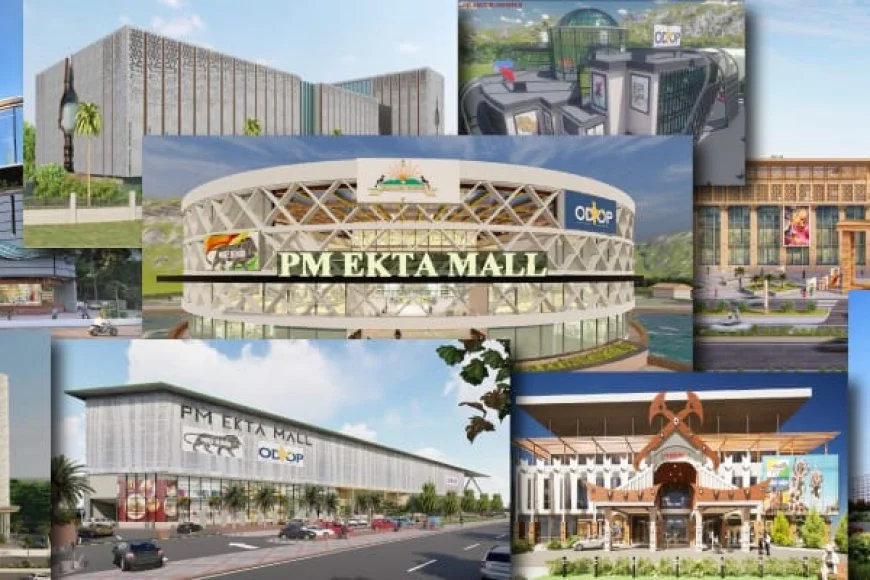
Patna Civic Clearance Boosts Ekta Mall Development Plan
Urban infrastructure in Patna is entering a new phase of cultural and economic redevelopment after the city’s municipal body cleared key approvals for the proposed Ekta Mall project, a retail and exhibition complex aimed at showcasing traditional products and district-level industries from across India. The move signals a shift in how public land in the state capital is being used — not just for commercial activity, but as a platform for local manufacturing, cultural heritage, and small-scale economic growth.
Officials confirmed that the Ekta Mall project will come up within the Collectorate campus in Patna, a central location that has been identified for projects linked to urban redevelopment and public-facing civic infrastructure. The approval clears one of the biggest administrative hurdles and allows preparatory work for construction to move forward. Urban planners say the location choice reflects an effort to integrate economic spaces with existing administrative and transport networks rather than developing isolated retail complexes on the city’s outskirts. The Ekta Mall project is part of a wider national initiative introduced in the Union Budget 2023-24 to establish similar complexes in state capitals and major tourism centres. These facilities are intended to promote the “One District, One Product” model by creating organised retail spaces where artisans, small manufacturers, and local entrepreneurs can directly access larger markets.
Government documents indicate that financial assistance has been extended to several states under the programme, with detailed project reports already approved in multiple locations. For Patna, the project is expected to go beyond a conventional shopping complex. Urban development experts point out that structured retail platforms for handicrafts and regional products can play an important role in strengthening city economies, especially in states where informal markets dominate and small producers struggle to scale. By formalising these activities in a planned urban space, the Ekta Mall project could help improve income stability for artisans while also attracting tourism-driven retail activity to the city centre. The initiative also aligns with broader efforts to reshape public infrastructure in Patna through projects linked to smart-city planning and urban renewal. The municipal body has increasingly focused on creating multi-use public spaces that combine commerce, civic services, and cultural activity.
Experts say such developments can reduce pressure on unregulated street markets while improving pedestrian access, especially in dense central areas where space remains limited. However, the long-term success of the Ekta Mall project will depend on how effectively it integrates local producers and ensures accessibility for small businesses rather than large retailers. If implemented carefully, the project could serve as a model for people-centric urban redevelopment — one that supports both economic opportunity and cultural sustainability in rapidly growing Indian cities.