Patna Civic Budget Boosts Sanitation And Infrastructure
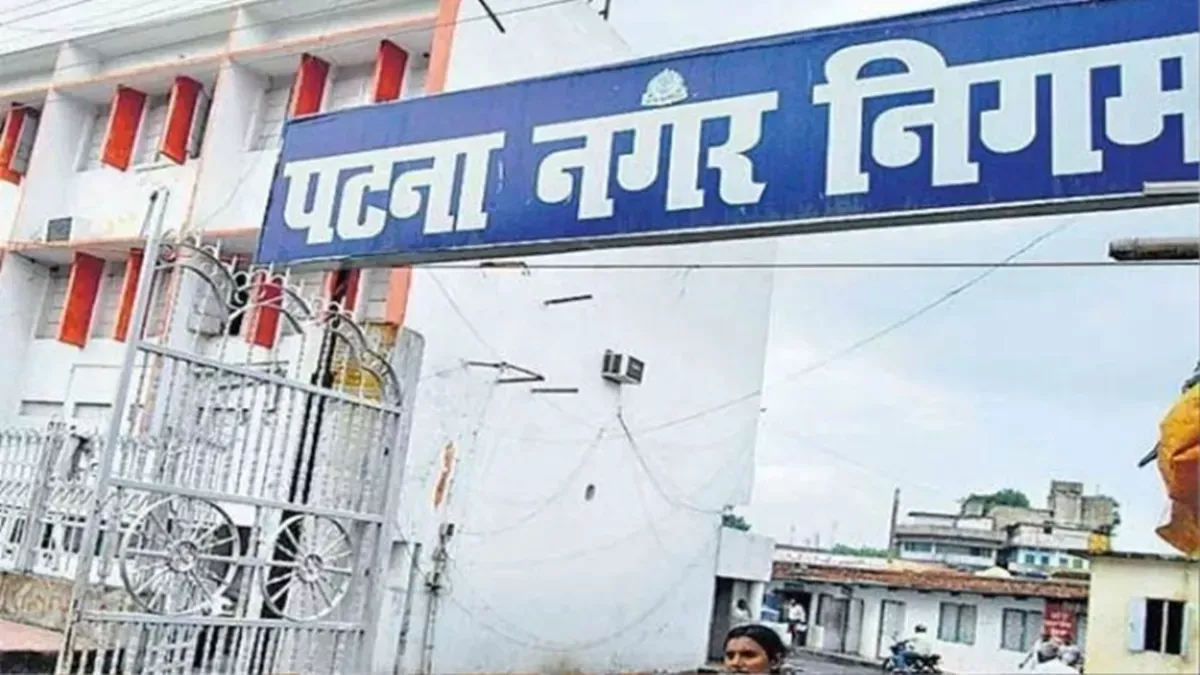
PATNA — The Patna Municipal Corporation’s (PMC) standing committee on Friday endorsed a draft budget exceeding ₹570 crore for the 2026-27 fiscal year, signalling a renewed municipal focus on sanitation, roads, drainage and core city services in India’s fast-growing capital.
The budget, set to be tabled before the full municipal board, reflects an attempt to align routine service delivery with longer-term urban resilience and quality-of-life goals for one of Bihar’s most populous cities. The draft allocates significant funds to road upkeep and expansion, drainage repairs and solid-waste management — functions that directly affect citizens’ daily experience of the city’s built environment. Officials describe the plan as a corrective agenda, aimed at addressing persistent gaps in basic services that have surfaced repeatedly during monsoon waterlogging and heightened traffic congestion. By tying allocations to both maintenance and upgrades, the corporation aims to reduce infrastructure backlogs and strengthen service reliability.
Sanitation emerges as a clear priority, building on national and state urban development frameworks that link waste management to public health outcomes. In Patna, where rapid urbanisation strains existing systems, improved solid-waste collection, processing and containment are seen as essential to preventing environmental degradation and improving neighbourhood liveability. Urban planners emphasise that effective sanitation systems also enable broader sustainability goals, such as reducing hazardous waste in waterways and improving conditions in densely populated wards. Budget lines for road works and drainage repairs respond to long-standing concerns over mobility bottlenecks and seasonal flooding. Poor drainage has historically exacerbated waterlogging in low-lying sectors, affecting not only commuter movement but also access to schools, markets and health facilities. A senior urban infrastructure analyst notes that synchronising road and stormwater planning — rather than treating them as separate concerns — is critical to building climate-resilient transport corridors that can withstand extreme rainfall events without service disruptions.
Beyond these operational functions, the draft budget also contemplates modernising public toilets and commissioning technical support for revenue enhancement and urban planning. Such investments reflect an understanding that sustainable city systems require both capital works and administrative strengthening to close service delivery gaps. However, translating the fiscal blueprint into impactful on-ground outcomes will depend on strategic execution and coordination with state agencies responsible for larger networked infrastructure. For instance, drainage improvements intersect with broader flood management plans and surface water flows that extend beyond municipal boundaries. Similarly, solid-waste upgrades will benefit from community engagement campaigns to reduce littering and improve segregation at source.
Residents and local associations are closely watching the budget’s finalisation, hoping that planned allocations will tackle perennial frustrations with infrastructure and services. If implemented with transparency and adaptive planning, the corporation’s fiscal roadmap could help reposition Patna’s urban governance toward more resilient, inclusive and service-oriented growth.