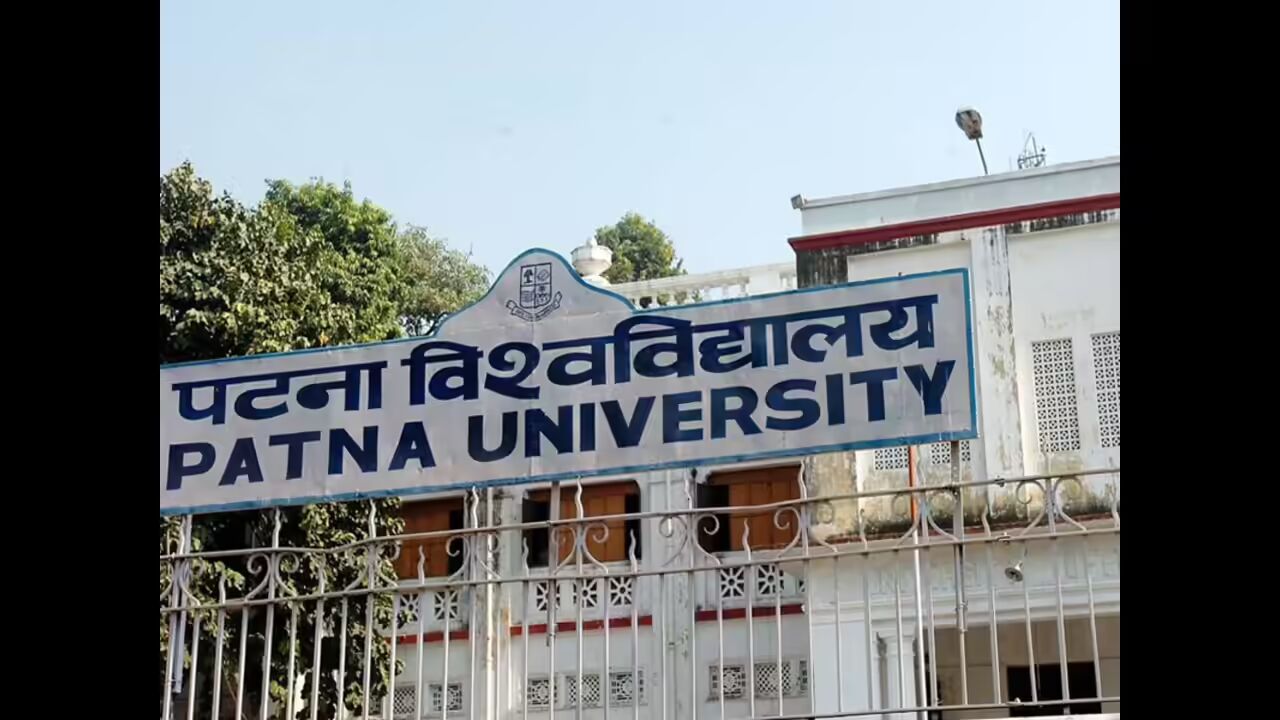
The commencement of admissions at Bihar State University marks the beginning of a new academic cycle in Patna, reflecting the expanding scale and institutional complexity of higher education in the state. The rollout of the admission process is expected to draw applications across undergraduate and postgraduate programmes, setting the stage for enrolment in the 2026 academic session.
According to official updates, the university has opened its application window, enabling prospective students to begin registrations for a range of courses. The move aligns with the broader calendar followed by state institutions, where admission cycles are increasingly synchronised to streamline intake and reduce delays in academic schedules. The launch of admissions comes at a time when Bihar’s higher education ecosystem is undergoing structural changes. Universities are gradually transitioning towards centralised and digital admission systems, aimed at improving transparency, reducing administrative bottlenecks, and ensuring equitable access for students across districts. This shift is particularly significant in a state where a large proportion of applicants come from semi-urban and rural backgrounds. Education planners note that timely admission cycles are critical for maintaining academic continuity. Delays in enrolment often compress teaching schedules and affect learning outcomes, particularly in professional and skill-based courses. By initiating admissions early, institutions are attempting to align academic calendars with national benchmarks and improve overall efficiency.
The implications extend beyond campuses. Higher education intake cycles have a direct bearing on urban economies, especially in cities like Patna where student populations contribute to rental housing demand, local services, and informal employment. A predictable admission timeline enables better planning for hostels, transport systems, and ancillary services that support student life. At the institutional level, universities are also facing growing pressure to diversify course offerings and integrate skill-based learning. As India’s job market evolves, there is increasing emphasis on interdisciplinary programmes, vocational training, and industry-linked curricula. Admission cycles, therefore, are not just administrative exercises but entry points into a rapidly changing education landscape. Experts highlight that digital application systems, if effectively implemented, can reduce entry barriers and expand participation. However, they also caution that access to reliable internet and awareness about procedures remain uneven, particularly in remote areas. Bridging this gap will be essential to ensure that the benefits of streamlined admissions are widely distributed.
The start of the admission process also coincides with broader reforms in Bihar’s education sector, including efforts to strengthen institutional governance, improve faculty capacity, and enhance infrastructure. These changes are aimed at making state universities more competitive and responsive to emerging academic and industry needs. Looking ahead, the success of the current admission cycle will depend on execution—ensuring smooth application processes, timely merit lists, and efficient counselling mechanisms. For students, it marks the first step into higher education; for cities like Patna, it signals the annual influx of academic activity that shapes both social and economic dynamics.