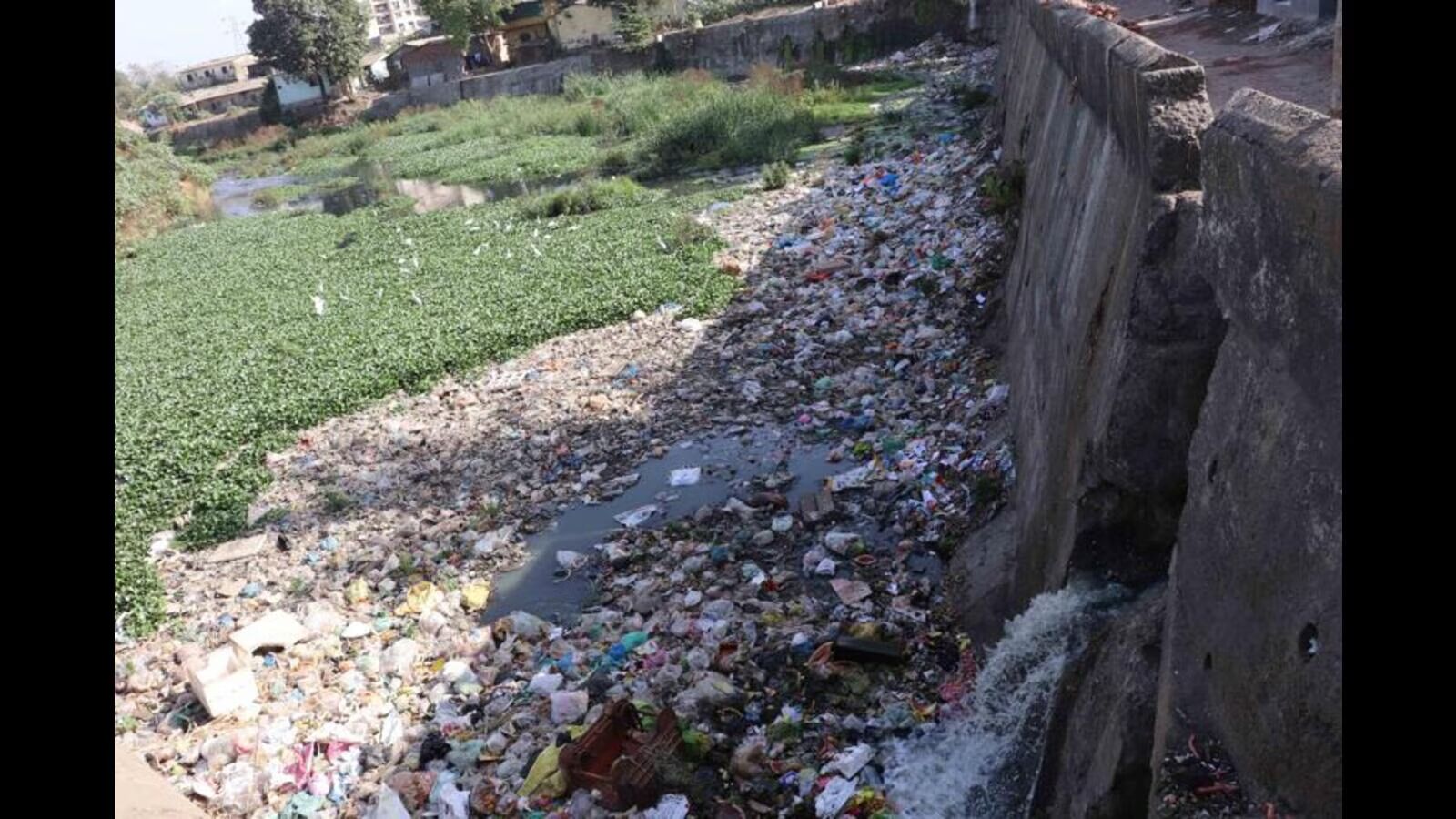
Patna has cleared the development of its largest sewage treatment plant to date, a move expected to significantly expand wastewater processing capacity and reduce pollution loads entering the Ganga basin.
The decision marks a pivotal infrastructure upgrade for Bihar’s capital, where rapid urbanisation has outpaced legacy sanitation systems and intensified pressure on drains, canals and groundwater resources. The proposed facility, approved by the city’s municipal corporation, will add substantial daily treatment capacity, making it the largest sewage treatment plant in the state. Officials indicate that the project is designed to intercept and treat wastewater that currently flows untreated or partially treated into natural water bodies. Once operational, the plant is expected to serve densely populated wards and emerging peri-urban zones where sewerage connectivity has expanded but treatment infrastructure has lagged. Patna’s existing sewage network has long faced structural constraints. Population growth, informal housing expansion and rising household water consumption have collectively increased wastewater generation.
In the absence of adequate treatment capacity, a significant share of effluent has historically entered stormwater drains, contributing to river contamination and seasonal public health risks. Urban infrastructure specialists say the new facility represents more than a sanitation upgrade. “Modern sewage treatment plants are climate infrastructure,” noted a senior urban services consultant. “They reduce methane emissions from untreated waste, protect aquifers and enable treated water reuse for landscaping or non-potable industrial use.” Such systems are increasingly central to building zero-carbon and climate-resilient cities. The sewage treatment plant is also expected to align with national river conservation objectives and stricter discharge standards. By improving effluent quality before release, the project could help restore urban water bodies that have suffered from decades of pollution. Reduced contamination may lower long-term treatment costs for potable water utilities and improve ecosystem health along downstream stretches.
For the real estate sector, the investment sends a parallel signal. Infrastructure adequacy — particularly sewerage and drainage — plays a critical role in determining land values and investor confidence. As Patna expands outward, credible wastewater management systems can unlock planned residential and mixed-use development while discouraging unsafe, unregulated growth. Financing and execution timelines will now determine the project’s impact. Large sewage treatment plants require not only capital expenditure but sustained operational funding, skilled management and reliable electricity supply. Experts caution that lifecycle maintenance is as crucial as construction, especially in flood-prone regions where infrastructure resilience must be engineered into design.
With urban India facing mounting water stress and pollution pressures, Patna’s sewage treatment plant initiative reflects a broader shift toward foundational services that support equitable growth. If implemented effectively, the project could reshape the city’s environmental trajectory — transforming wastewater from a liability into a managed urban resource.