Patna begins Phase 1 of Kosi-Mechi river linking project
Patna — Ground has officially broken on Phase 1 of the long-planned Kosi-Mechi river linking project, marking a decisive shift from decades of preparatory work to on-the-ground construction of one of Bihar’s most ambitious water-management initiatives.
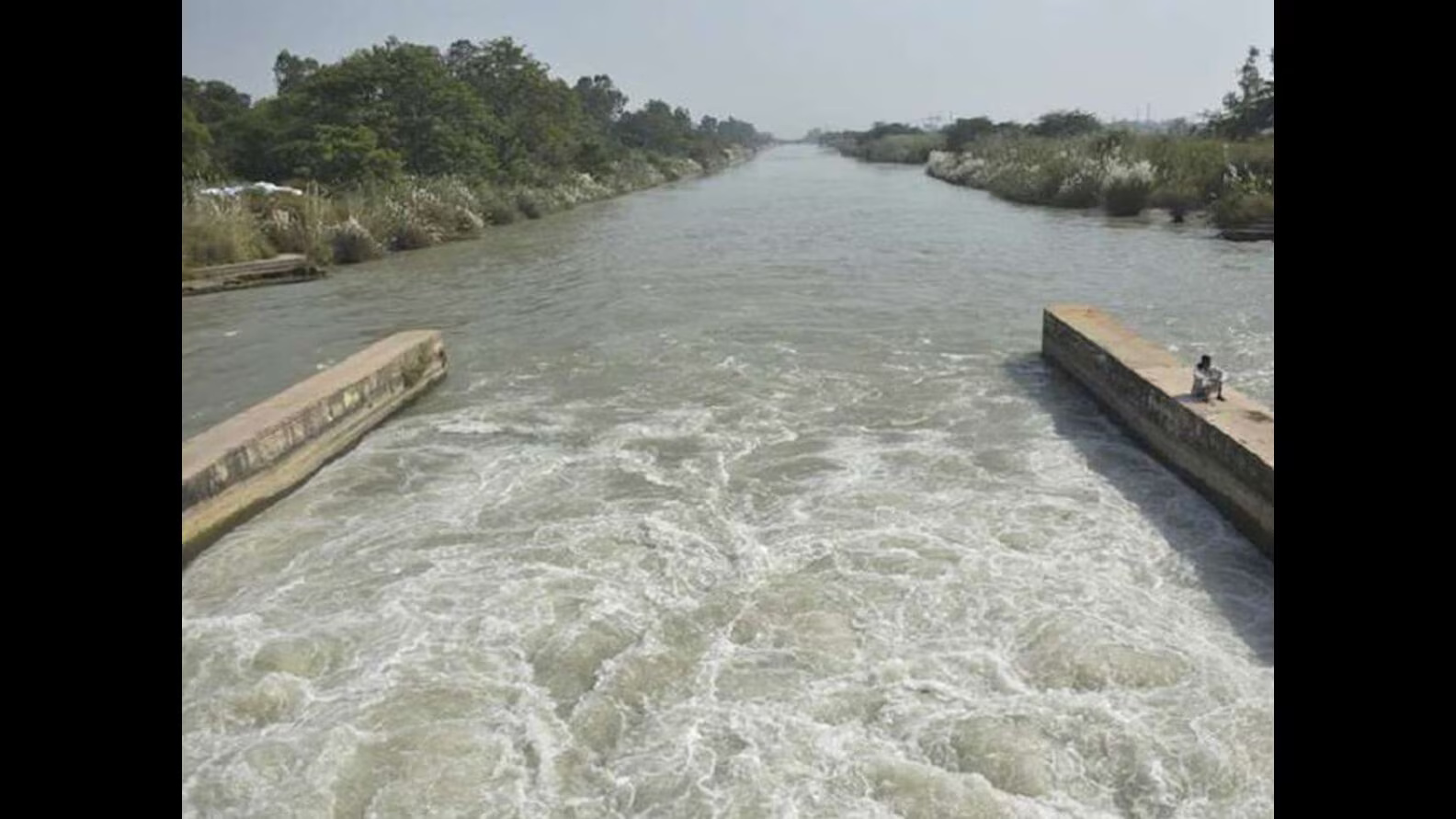
Spearheaded jointly by the central and Bihar governments, the project seeks to optimally manage surplus river flows, enhance irrigated agriculture and reduce vulnerability to seasonal floods and droughts across the Seemanchal region. The Kosi-Mechi scheme — part of India’s wider intra-state river linking effort — involves remodelling and extending the existing Eastern Kosi Main Canal (EKMC) to the Mechi River within Bihar, effectively diverting excess water from the Kosi basin into the Mahananda catchment. This realignment is expected to bring irrigation to more than 2 lakh hectares of farmland in districts such as Araria, Purnea, Katihar and Kishanganj, while also helping stabilise supplies to existing canal commands and mitigating extremes of water scarcity. Initial construction under Phase 1 focuses on foundational works, including site mobilisation, earthworks, and early civil structures that will underpin the longer link canal and related hydraulic infrastructure.
Officials emphasise that this phase will set up the project’s core logistics and engineering layouts, establishing benchmarks for subsequent phases that will involve major canal excavation, barrages and flow control works — elements critical to the scheme’s performance in both monsoon recharge and dry-season irrigation. Proponents, including state water resource planners, argue that the project’s irrigation gains could transform agricultural productivity and rural livelihoods in a region long beset by climatic volatility. North Bihar historically oscillates between flood emergencies during intense monsoon spells and water deficits in drier months, stunting crop cycles and infrastructure resilience. By creating regulated water conveyance between river basins, the project aims to balance these extremes — a water-management approach increasingly essential under climate variability. Urban development experts caution, however, that river interlinking projects of this scale must navigate both ecological trade-offs and community impacts. Rivers like the Kosi carry heavy sediment loads and dynamic channels, complicating hydraulic management and requiring adaptive engineering to avoid unintended outcomes such as siltation or bank erosion.
Some water scientists and regional observers have previously questioned whether such engineered links can fully resolve flood issues without complementary basin-wide watershed management and land use reforms. Beyond agriculture, the project has broader infrastructure and equity implications. Reliable irrigation can support agricultural diversification and value-added rural economies, reducing migration pressures on cities such as Patna. It also ties into Bihar’s growing portfolio of public works, which include new bridges, arterial roads and urban transit corridors designed to enhance connectivity and economic flows between districts. Yet the complex governance of river linking — involving land acquisition, hydrological modelling and inter-agency coordination — will require sustained oversight to ensure that infrastructure outcomes align with social and environmental sustainability goals. As Phase 1 works progress, careful monitoring of ecological flows, sediment regimes and downstream impacts will be crucial to securing long-term water security rather than creating new imbalances.
For Patna and the broader northeastern Bihar region, the physical commencement of construction signals a transition from planning to delivery, with the promise of enhanced water resilience and agricultural opportunity — provided that engineering ambition is matched by ecological sensitivity and inclusive planning.