


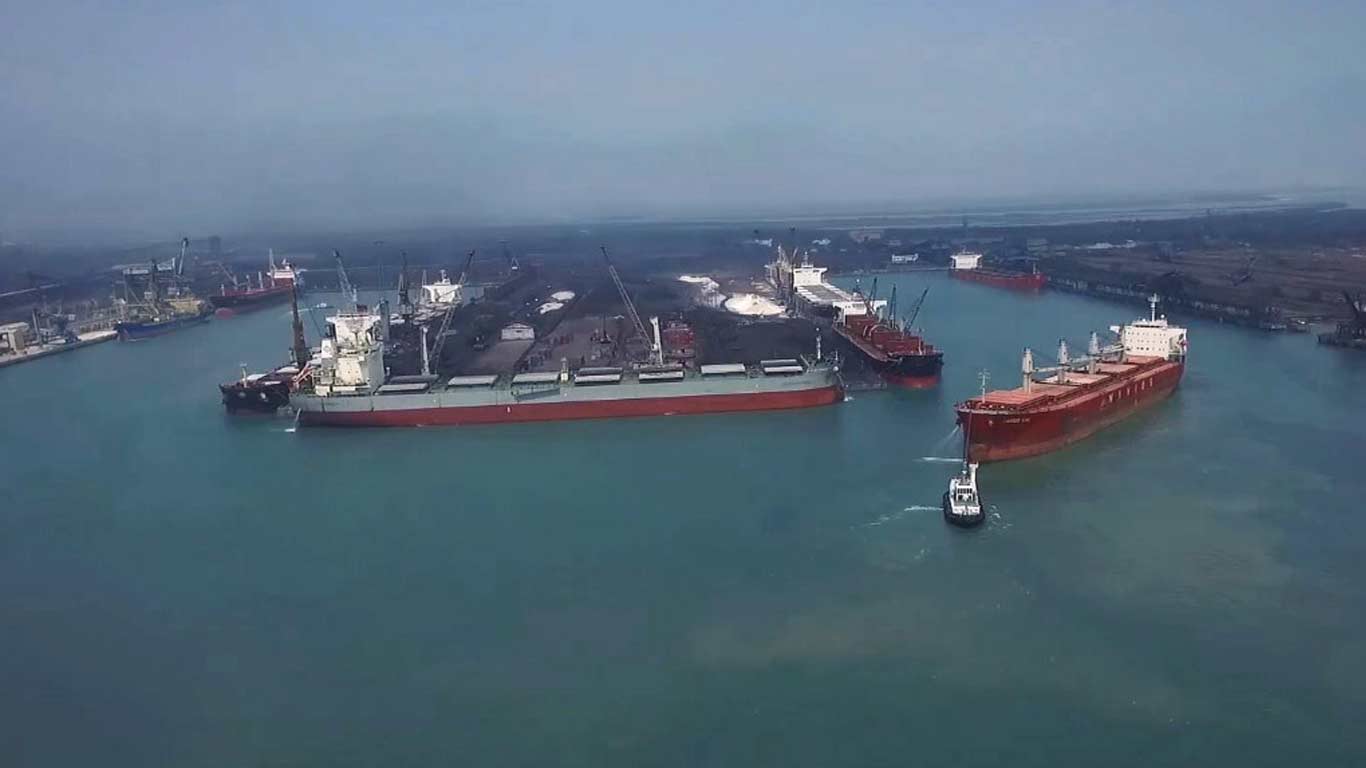
Paradip Port in Odisha is set to become a cornerstone of India’s green energy logistics after the central government approved a ₹797 crore project to build a dedicated jetty for green hydrogen and ammonia. Once operational, the jetty will handle up to four million tonnes of liquid cargo annually, positioning Paradip as a key gateway in India’s green hydrogen value chain.
The project, overseen by the Paradip Port Authority, will be executed on a build-operate-transfer (BOT) basis, with the Ministry of Ports, Shipping and Waterways providing the impetus. The jetty’s design will incorporate a dredged berth depth of 14.3 metres, ensuring safe docking for liquid cargo vessels. The infrastructure will include storage systems, pipelines, and specialised handling equipment, all designed to boost Paradip’s capability to support the emerging green energy economy.
This investment signals a strategic shift for Paradip, which has traditionally been a bulk cargo port focusing on iron ore and other commodities. By diversifying into green hydrogen and ammonia, Paradip Port is positioning itself as a critical node in India’s clean energy logistics network. Union officials say the move aligns with the National Green Hydrogen Mission, aiming to integrate India’s green hydrogen hubs with global markets.
The jetty project also highlights a broader economic vision for Odisha, where green energy investments are increasingly seen as a driver of employment and industrial diversification. Experts point out that dedicated green cargo infrastructure not only ensures safer handling of chemicals but also reduces supply chain risks, positioning Paradip as a logistics anchor for eastern India.
The project is slated for completion in 24 months, with the port authority covering 20% of the costs as upfront investment. As India pushes for self-sufficiency in green fuel, the Paradip initiative could be a catalyst, turning Odisha’s coastline into a vital link in the global green hydrogen supply chain.
Paradip Port Green Jetty Project Approved
