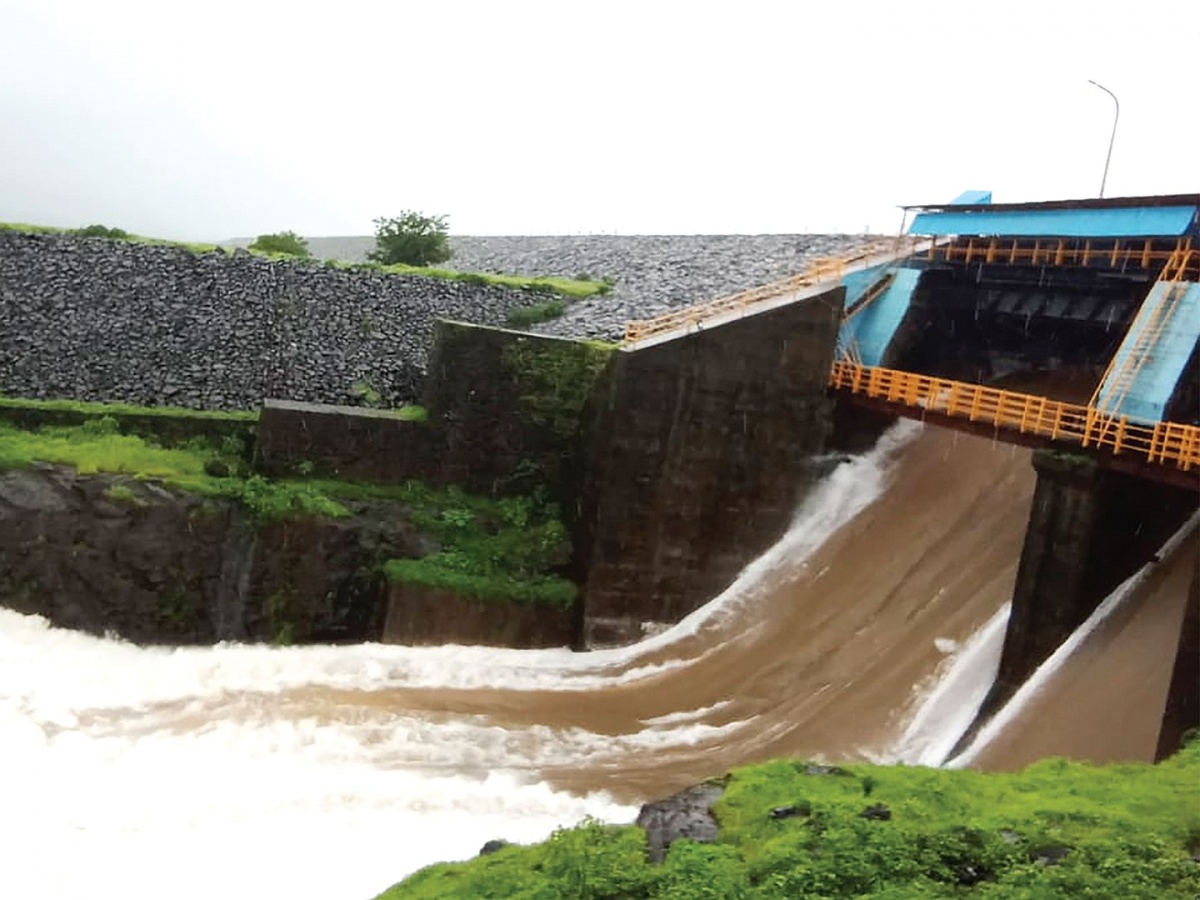
The Maharashtra State Road Development Corporation (MSRDC) is spearheading a significant infrastructure initiative, planning a new dam near Khandala to address the escalating water demands of 71 villages within the Panvel and Khalapur talukas of Raigad district. This strategic project aims to bolster water supply to a 186.72 square kilometre region that currently lacks organised distribution networks, highlighting a critical step towards creating more resilient, equitable, and sustainable urban and peri-urban settlements in the Mumbai Metropolitan Region (MMR).
A comprehensive, year-long assessment is now underway to identify feasible and sustainable water sources for the proposed reservoir. This detailed study is crucial, given that while existing sources like Morbe and Devloli dams, along with the Patalganga River, are present in the broader region, their capacity to meet the specific local demand remains unconfirmed. The targeted area, strategically located approximately 45 kilometres from Mumbai and 80 kilometres from Pune, is experiencing rapid population growth, underscoring the urgent need for a dedicated, robust water infrastructure system.
The MSRDC is preparing to engage a technical consultant to guide key project milestones, including the formulation of bidding frameworks and contract documentation for the dam’s construction. This methodical approach aims to ensure fiscal prudence and efficient project delivery. The region’s population, recorded at just over 1 lakh in the 2011 census, is estimated to have increased substantially, amplifying the imperative for scalable water solutions that can support future development while adhering to principles of sustainable resource management.
A significant challenge lies in the fact that the earmarked area, comprising both rural and peri-urban zones within the ecologically sensitive Western Ghats biogeographic region, currently lacks fundamental infrastructure such as organised water distribution, sewage disposal, and solid waste management systems. The undulating topography also presents considerable engineering challenges for planning effective water drainage and flood resilience, necessitating an integrated approach that respects ecological sensitivities while providing essential civic amenities to citizens.
If successfully implemented, this dam will mark the fifth major water infrastructure project in the Mumbai Metropolitan Region over the past decade, joining existing initiatives such as the Middle Vaitarna Dam and the nearing-completion Surya Dam, along with planned projects like Gargai and Pinjal. This concerted effort towards enhancing water security underscores a proactive strategy to support planned urbanisation and ensure a stable, long-term water supply for a growing population, thereby contributing to the development of eco-friendly and equitable cities across Maharashtra.