


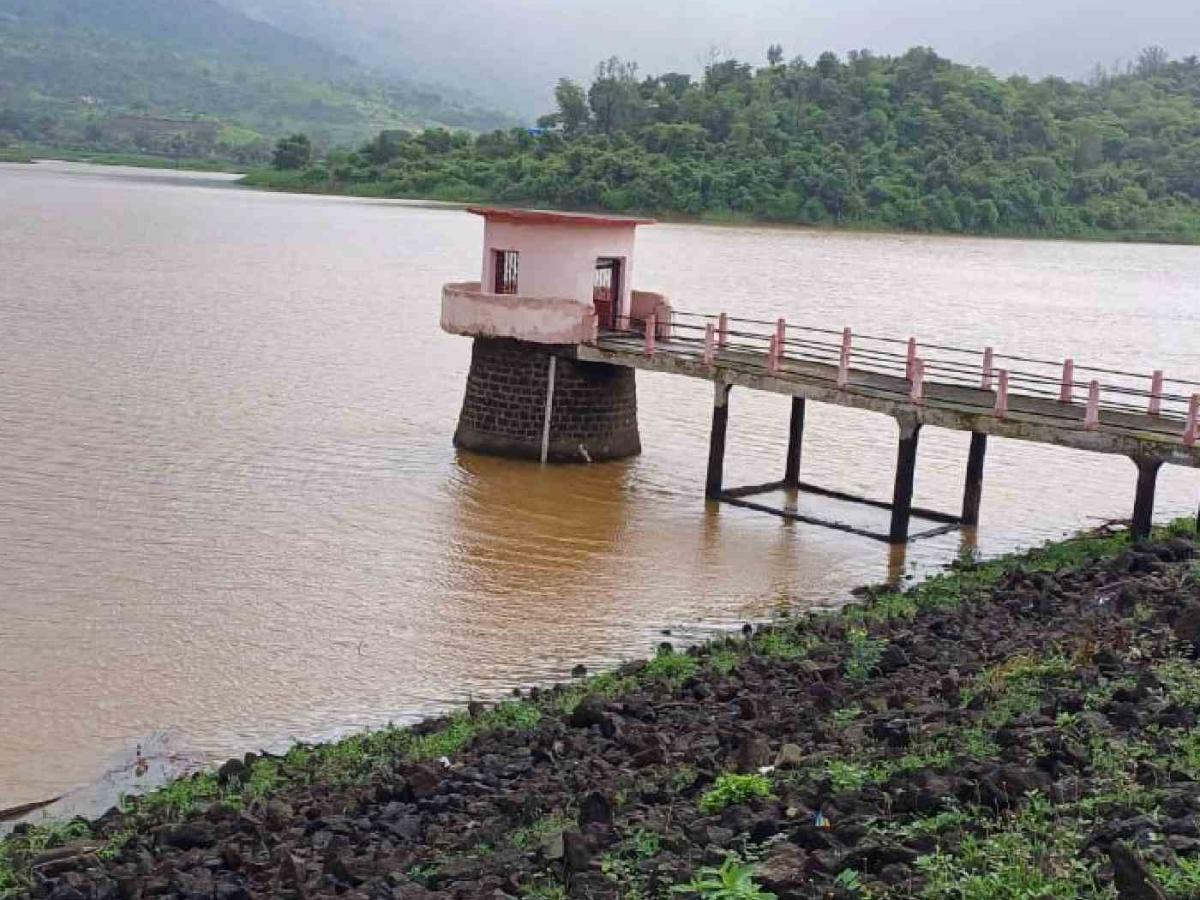
Panvel, a rapidly developing urban centre, has received significant relief from its prolonged water woes as the Dehrang dam, the city’s primary water source, has reached its full capacity following an unexpected downpour on Monday.
This crucial development has prompted the Panvel Municipal Corporation (PMC) to immediately withdraw the weekly water cuts that had been burdening residents since March. This rare occurrence of the dam overflowing in May not only alleviates immediate concerns but also underscores the delicate interplay between urban water management and unpredictable climatic patterns, highlighting the ongoing challenge for cities striving for sustainable, gender-neutral, and equitable access to essential resources.
For months, Panvel had been grappling with stringent water rationing, enduring weekly one-day cuts as reservoir levels steadily declined. These measures were initially projected to remain in effect until June, anticipating the arrival of the traditional monsoon season. However, the city experienced an astonishing 296 mm of rainfall on Monday, a meteorological anomaly for this time of year, leading to the rapid replenishment and subsequent overflow of the Dehrang dam. Local villagers have remarked on the unprecedented nature of this event, noting it as the first time in recent memory that the dam has filled to the brim as early as May. The Dehrang dam boasts a storage capacity of 3.125 million cubic metres, designed to meet the city’s daily water demand, which stands at approximately 1.6 million litres. However, Panvel’s actual daily requirement is double this figure, at 3.2 million litres. The persistent shortfall has historically been managed through supplementary water supplies from the Maharashtra Jeevan Pradhikaran (MJP) and the Maharashtra Industrial Development Corporation (MIDC). Since March, the civic body had prudently limited its extraction from the Dehrang dam to a mere 0.4–0.5 million litres per day, a conscious effort to conserve dwindling resources until the monsoon’s regular onset. The timely intervention of MJP in providing additional supplies during this lean period proved crucial in stabilising the situation.
With the dam now overflowing, the immediate water crisis that loomed over Panvel has effectively been averted. Vilas Chavan, Deputy Engineer of the Panvel Water Supply Department, confirmed the official withdrawal of water cuts commencing Monday. He expressed gratitude to the citizens for their cooperation during the challenging period, acknowledging the collective effort required to navigate such resource constraints. This episode serves as a powerful reminder of how unexpected natural phenomena can dramatically alter the trajectory of urban resource management, providing a momentary reprieve in the larger battle for water security. While the overflowing dam brings immediate relief, it also subtly reinforces the broader narrative of sustainable urban development. Panvel’s dependence on external water sources highlights the imperative for long-term strategies that reduce reliance on single points of failure and integrate more resilient water management practices. This includes exploring rainwater harvesting at a larger scale, promoting water conservation among residents, and investing in advanced water treatment and recycling technologies. As Panvel continues its rapid expansion, ensuring a stable and secure water supply remains a paramount challenge. The early filling of Dehrang dam, while a welcome turn of events, should be viewed as a temporary blessing rather than a permanent solution, urging continued focus on building an infrastructure that supports a truly zero-net carbon, eco-friendly, and water-secure future for all its inhabitants.
Also Read: Delhi Water Cuts Essential Pipeline Work Impacts Residents
