


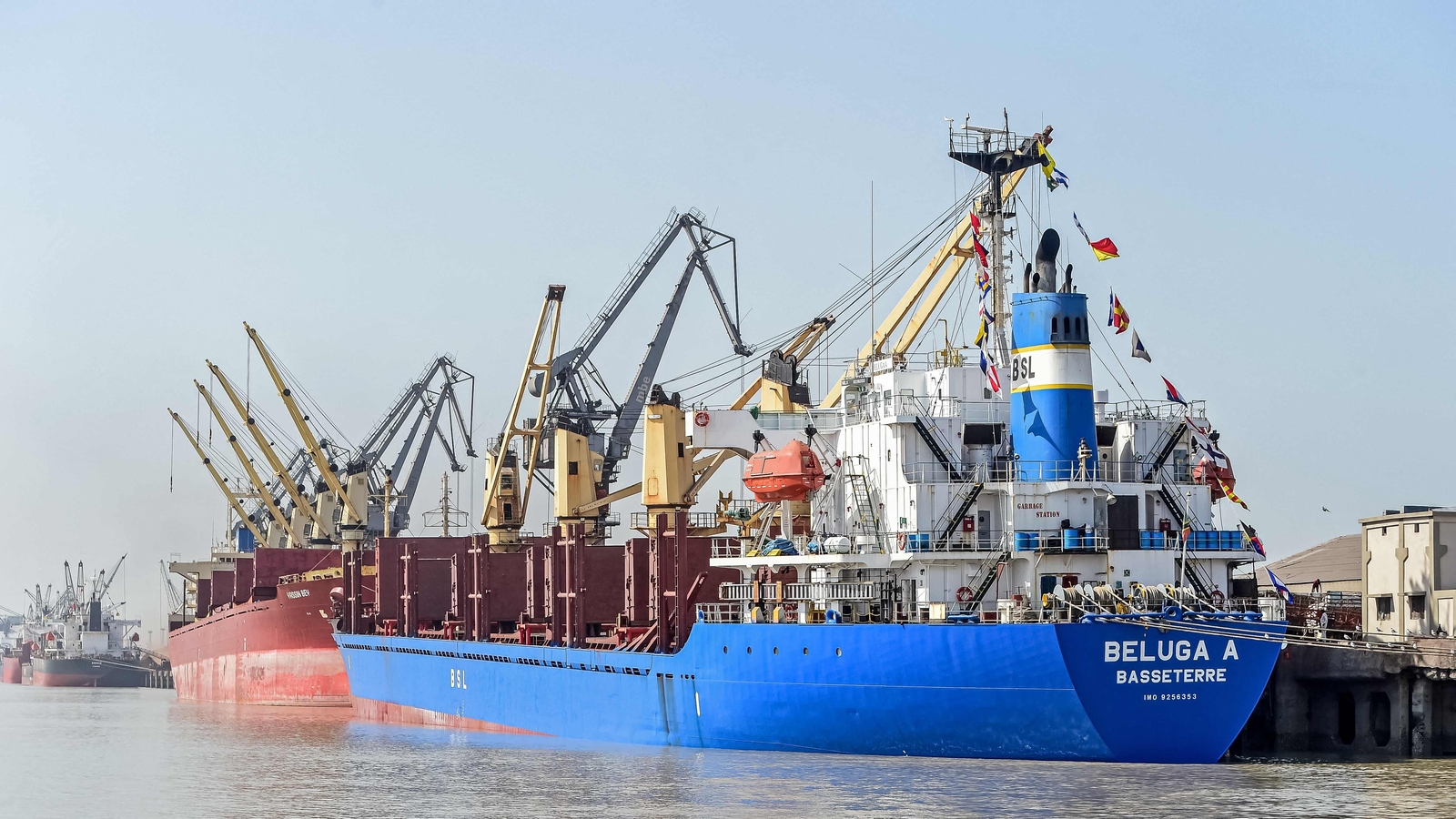
Pakistan has announced a ban on all Indian-flagged vessels from entering its ports.
This move comes shortly after India imposed a comprehensive ban on imports originating from or transiting through Pakistan, as well as prohibiting Pakistani ships from docking at Indian ports. The reciprocal maritime bans are the latest developments in a rapidly deteriorating bilateral relationship, primarily triggered by a deadly attack on tourists in the disputed Kashmir region.
The attack, which occurred on April 22 in the resort town of Pahalgam, resulted in the deaths of 26 tourists from 13 Indian states. India has accused Pakistan-based militants of orchestrating the massacre, a claim that Islamabad vehemently denies. In retaliation, India has suspended the Indus Waters Treaty, expelled Pakistani diplomats, and closed its airspace to Pakistani aircraft. Additionally, India has halted all mail exchanges and imposed the import ban, including a prohibition on Pakistani ships entering Indian ports.
Pakistan’s Ministry of Maritime Affairs responded swiftly, issuing a directive that bars Indian-flagged vessels from accessing any Pakistani ports. The ministry also announced a reciprocal ban, preventing Pakistani ships from docking at Indian ports. These actions are seen as a direct response to India’s punitive measures and reflect the heightened state of hostilities between the two nuclear-armed neighbors.
The maritime bans have significant implications for regional trade. Pakistan’s ports, including Karachi and Gwadar, handle a substantial portion of the country’s import and export activities. Karachi Port, in particular, is one of South Asia’s largest and busiest deep-water seaports, handling about 60% of Pakistan’s cargo. The closure of these ports to Indian vessels disrupts established trade routes and could lead to increased shipping costs and delays.
The broader economic impact is also noteworthy. The maritime sector plays a crucial role in Pakistan’s economy, with the government aiming to enhance its contribution to GDP through strategic investments and infrastructure development. However, the current geopolitical tensions threaten to undermine these efforts by disrupting trade flows and deterring potential foreign investments in port infrastructure.
Beyond the economic ramifications, the diplomatic fallout from the maritime bans is profound. Both countries have suspended key communication channels, including air and surface mail exchanges, and expelled each other’s diplomats. These actions signal a significant breakdown in bilateral relations and raise concerns about the potential for further escalation, including military confrontations along the Line of Control in Kashmir.
The international community has expressed concern over the escalating tensions. While global powers have condemned the Pahalgam attack, there have been calls for restraint and dialogue to prevent further deterioration of relations. The United Nations has urged both India and Pakistan to engage in diplomatic negotiations to address the underlying issues and prevent a full-scale conflict.
In conclusion, the reciprocal maritime bans between India and Pakistan mark a significant escalation in their strained relations. The immediate effects are felt in disrupted trade and diplomatic isolation, while the long-term consequences could include broader regional instability. As both nations navigate this crisis, the international community watches closely, hoping for a return to dialogue and a peaceful resolution to the ongoing tensions.
Also Read: Kolkata Port Surpasses 45 Percent Cargo Growth in April
