


Pakistani authorities have issued urgent warnings to residents along the riverbanks, urging them to evacuate and take necessary precautions.
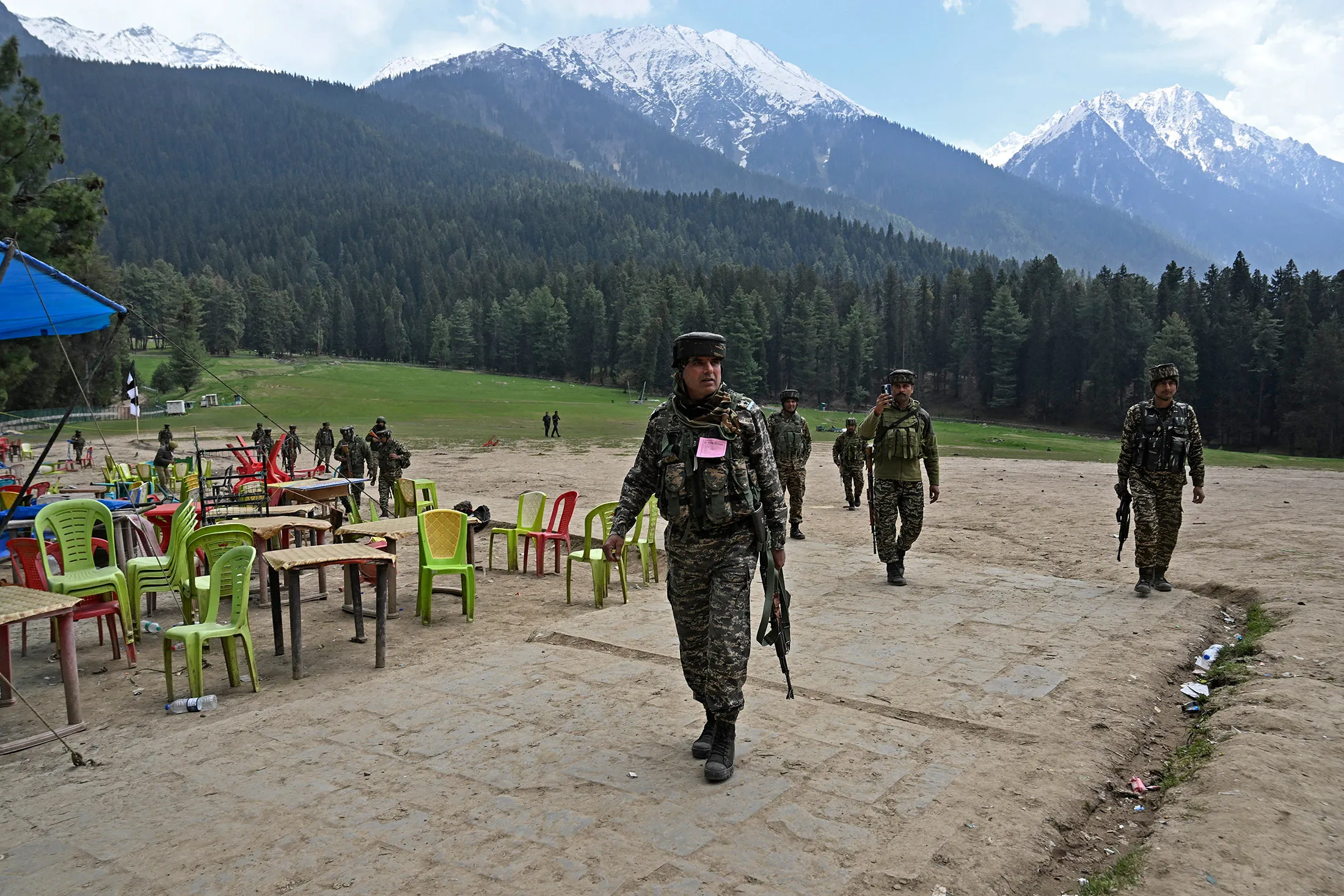
The unexpected surge in water levels has caused widespread panic, with many fearing potential damage to property and displacement. Local officials are monitoring the situation closely, coordinating with emergency services to provide assistance to affected communities. The timing of this incident is particularly sensitive. Just days earlier, a terrorist attack in Pahalgam, Indian-administered Kashmir, resulted in the deaths of 26 individuals, predominantly Hindu tourists. India has accused Pakistan-based groups of orchestrating the attack, leading to heightened security measures and diplomatic responses. In retaliation, India suspended the Indus Water Treaty, a 1960 agreement that governs the sharing of water from the Indus River system between the two countries.
Pakistan has strongly condemned India’s suspension of the treaty, asserting that such actions violate international norms and exacerbate regional instability. Pakistani officials have called for an international investigation into the Pahalgam attack, urging the global community to hold accountable those responsible for the violence. The Indus Water Treaty has long been a cornerstone of cooperation between India and Pakistan, despite their contentious relationship. Any unilateral actions that undermine this agreement risk further escalating tensions and undermining efforts towards peace and stability in the region.
As the situation continues to develop, both nations face the challenge of managing their bilateral relations amidst growing public sentiment and international scrutiny. The international community remains watchful, urging both India and Pakistan to engage in dialogue and de-escalate the crisis to prevent further humanitarian and geopolitical repercussions.
Also Read: https://urbanacres.in/mumbai-metro-lines-2a-and-7-generate-rs-122-crore-in-non-fare-revenue/
Pakistan Accuses India of Water Warfare
