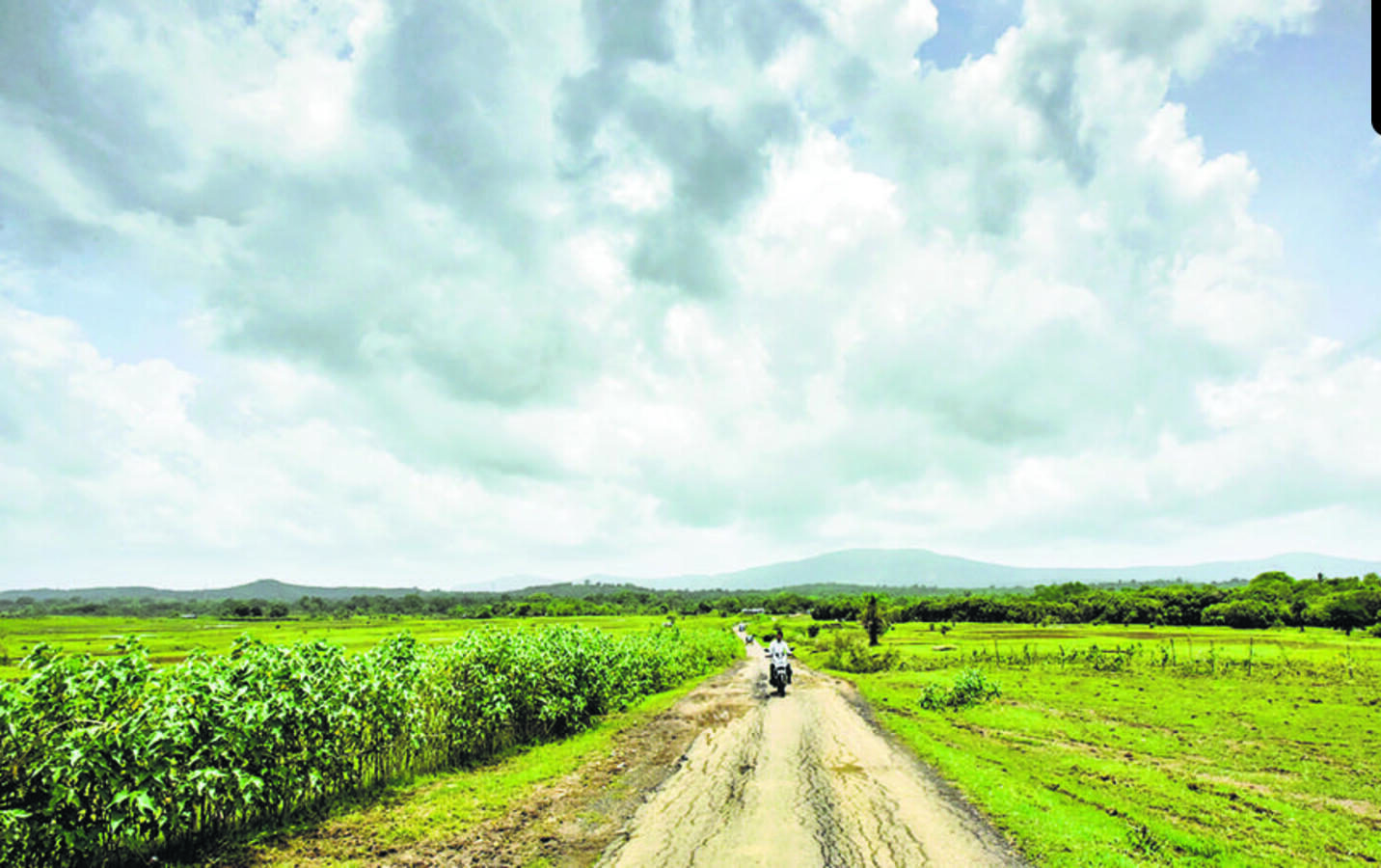
A proposed high-speed corridor in Maharashtra’s Palghar district, designed to link interior regions with the upcoming Vadhavan Port, is drawing scrutiny over its environmental and social footprint, even as it promises improved freight mobility and regional connectivity.
The planned arterial route, stretching between villages in Dahanu and Palghar talukas, is positioned as a critical logistics link connecting national highway networks and industrial corridors to the port. However, preliminary land acquisition and environmental assessments indicate that the project could significantly alter local ecosystems and settlement patterns, raising questions about long-term sustainability. According to project documents reviewed by Urban Acres, the Vadhavan Port highway will require large-scale land diversion across forest, government, and privately owned parcels. This includes the felling of tens of thousands of trees—comprising forest cover as well as fruit-bearing plantations—alongside the filling of multiple water bodies and the acquisition of agricultural land. The corridor will also necessitate the relocation or demolition of several hundred residential structures across affected villages.
Officials involved in the process indicate that compensation packages have been structured for both landowners and affected households, with separate allocations for different talukas. However, urban planners note that financial compensation alone may not address the deeper socio-economic disruption faced by agrarian and tribal communities, particularly in ecologically sensitive belts like Dahanu. The Vadhavan Port highway is being conceptualised as a multi-lane, expandable corridor, reflecting long-term freight demand projections tied to port-led industrial growth. Infrastructure experts argue that such connectivity is essential to unlock the economic potential of large maritime projects, especially as India looks to strengthen its logistics competitiveness and reduce turnaround times.
Yet, environmental analysts caution that the cumulative ecological cost could be substantial. The loss of tree cover, groundwater structures such as wells and ponds, and fragmentation of natural habitats may have cascading impacts on local climate resilience, water security, and biodiversity. These concerns are particularly relevant in coastal and semi-forested regions that act as natural buffers against extreme weather. There are also questions around planning integration. Some experts point out that major infrastructure components linked to large ports must be assessed holistically within environmental frameworks to avoid fragmented approvals and underestimation of cumulative impacts.
From a governance perspective, the project reflects a broader tension in India’s urbanisation trajectory—balancing economic infrastructure expansion with ecological preservation and community rights. As metropolitan regions expand outward and industrial corridors deepen their reach, peri-urban districts like Palghar are increasingly at the frontline of this transformation. Going forward, sector specialists suggest that mitigation strategies—such as credible afforestation, water resource restoration, and participatory rehabilitation planning—will be critical in shaping the project’s acceptance and long-term viability. The Vadhavan Port highway, while central to regional logistics ambitions, may ultimately be judged by how effectively it integrates growth with environmental stewardship and social equity.
Over 72000 Trees And Water Bodies To Be Cleared For Palghar Port Highway