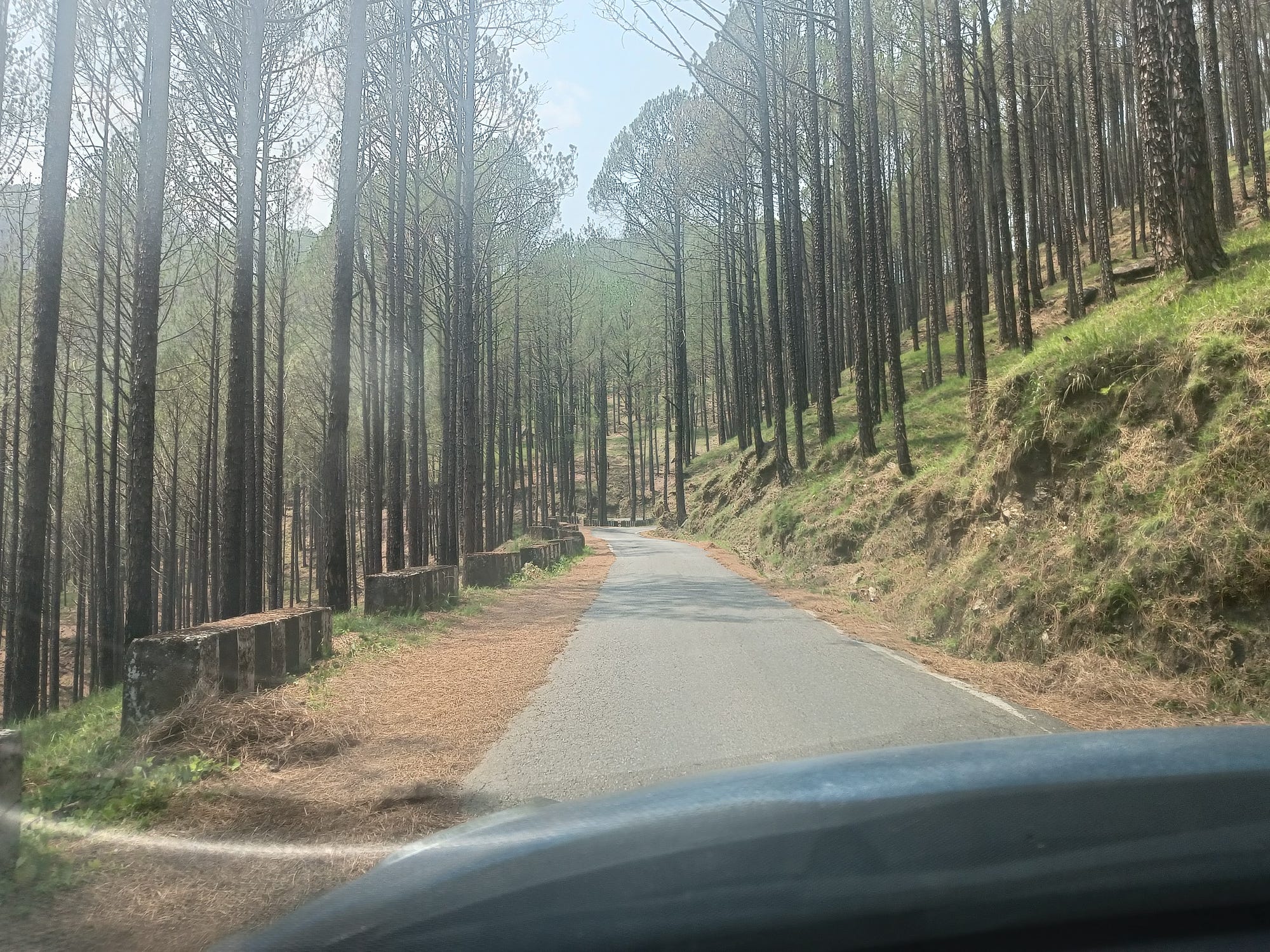
Over 5,700 Trees Approved for Felling for Highway Project
Authorities have sanctioned the felling of over 5,000 trees for a major highway project in Shahjahanpur. The decision to clear a 28.3-kilometre stretch of the Lipulekh-Bhind highway has sparked a debate on the long-term ecological impact on the city. While the project promises to modernise a crucial transport artery, it comes at a significant cost to the city’s green heritage, with many of the affected trees being over a century old.
The project involves a substantial expansion of the existing seven-metre-wide road into a four-lane highway, with two nine-metre-wide carriageways and a 2.5-metre divider. This transformation, which will result in a 25-metre-wide corridor, is designed to ease chronic traffic congestion and improve commuter safety. According to a senior Public Works Department official, the wider highway will facilitate smoother traffic flow, a particularly critical concern during major seasonal and religious movements, and is expected to lead to a significant reduction in accidents. The project’s budget is approximately ₹294 crore, a substantial investment aimed at bolstering regional connectivity.
However, the pursuit of this infrastructural gain has come with significant environmental and social trade-offs. The removal of such a large number of mature trees directly contradicts the principles of zero-net carbon and eco-friendly urban planning. These trees serve as vital carbon sinks, help mitigate urban heat islands, and provide essential habitats for local biodiversity. Their felling represents a substantial setback for the city’s ecological resilience. The project has also faced resistance from local communities, who have been displaced by the removal of encroachments, highlighting the human cost of development and the need for more equitable and inclusive planning processes.
In response to the ecological fallout, the Public Works Department has been mandated to ensure a compensatory afforestation programme. The department is required to plant ten times the number of trees being felled or deposit funds so that the forest department can undertake the planting. With a budget of approximately ₹13 crore allocated for this purpose, the initiative is a formal attempt at mitigation. However, experts question whether new saplings can adequately replace the ecological value of a mature forest ecosystem, which takes decades to develop. The loss of old-growth trees is a permanent one, and their contribution to air purification, soil stability, and shade cannot be replicated by new plantings in the short term.
The unfolding situation in Shahjahanpur serves as a powerful case study for the wider conflict between rapid urbanisation and environmental stewardship. While enhanced infrastructure is a clear necessity for economic growth and improved quality of life, the reliance on a trade-off that sacrifices mature green cover presents a long-term sustainability challenge. The project, while promising to alleviate immediate transport issues, leaves a legacy of ecological debt that future generations will have to manage. It underscores the critical need for a more holistic approach to urban development that prioritises preserving a city’s natural assets alongside its physical expansion.