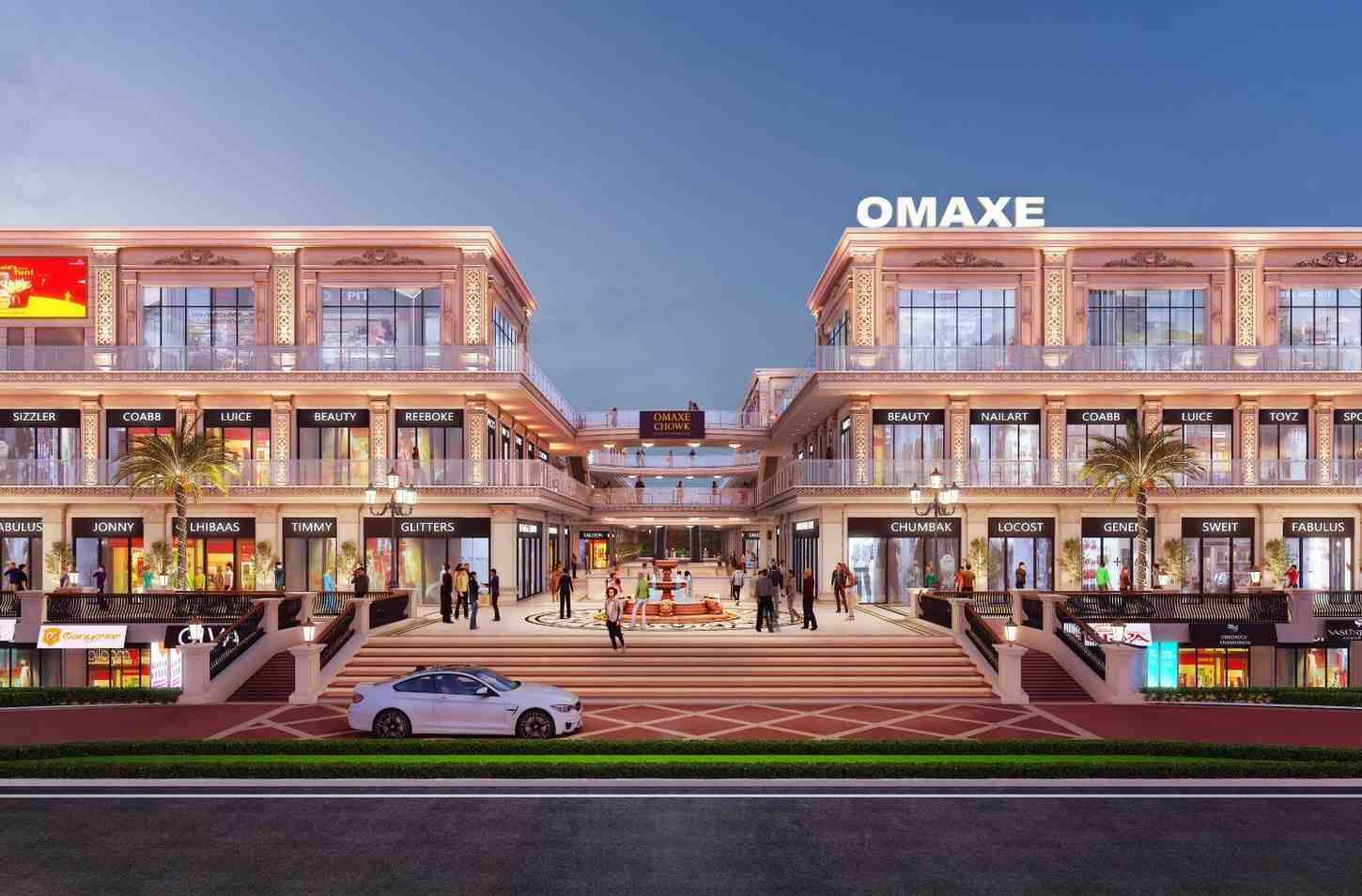
Ludhiana’s congested commercial core is preparing for a structural shift as a large-scale organised retail and mixed-use development moves from planning to public-facing execution near Fountain Chowk, one of the city’s busiest trading nodes. The unveiling of a detailed project model has offered stakeholders a clearer view of how formal retail planning could reshape economic activity in a zone long dominated by fragmented, high-density commerce.
Located at the intersection of Ghumar Mandi’s established retail belt, the development occupies a site with extensive frontage along two arterial roads, a rarity in Ludhiana’s older commercial districts. Urban planners note that such dual-access sites are critical for reducing traffic bottlenecks, improving pedestrian safety, and supporting structured commercial growth in cities where retail demand has outpaced infrastructure. The model reflects a deliberate attempt to merge local architectural identity with modern retail design. Instead of enclosed malls, the project adopts a high-street format, a typology increasingly favoured in mid-sized Indian cities for its walkability, lower energy demand, and ability to integrate with existing urban fabric. Heritage-inspired façades are combined with contemporary spatial planning, aiming to create a visually cohesive environment without replicating historic structures.
From an economic perspective, the project signals a shift towards organised retail ecosystems in Punjab’s manufacturing capital. Double-height shop formats and dedicated zones for dining, lifestyle retail, and ceremonial commerce indicate an effort to cluster complementary activities rather than disperse them across unregulated streets. Industry observers say such clustering can improve business resilience, extend visitor dwell time, and generate more predictable footfall patterns. Mobility and access appear central to the planning approach. More than a thousand designated parking spaces are planned within the development, addressing one of the most persistent challenges in central Ludhiana — unmanaged curbside parking that slows traffic and reduces street safety. Urban transport experts highlight that off-street parking, when paired with clear entry and exit points, can significantly ease pressure on surrounding roads.
The project also reflects evolving expectations around construction timelines and regulatory compliance. Officials familiar with the development say progress is aligned with statutory approvals, which is increasingly important for buyer confidence in commercial real estate markets affected by past delivery delays. Beyond its immediate commercial impact, the development is being viewed as a test case for how Ludhiana can accommodate growth without expanding outward. By intensifying land use within an existing commercial hub, the project supports a more compact city form, reducing long-term infrastructure strain and travel emissions.
As Ludhiana balances its industrial legacy with a services-driven future, such developments could play a role in shaping a more organised, accessible, and economically inclusive urban core — provided connectivity, public realm quality, and environmental performance continue to receive sustained attention.
Omaxe Unveils Scaled Vision for Ludhiana Commercial Hub