Odisha Cabinet Approves Additional Incentives For MRO Facility At Bhubaneswar Airport
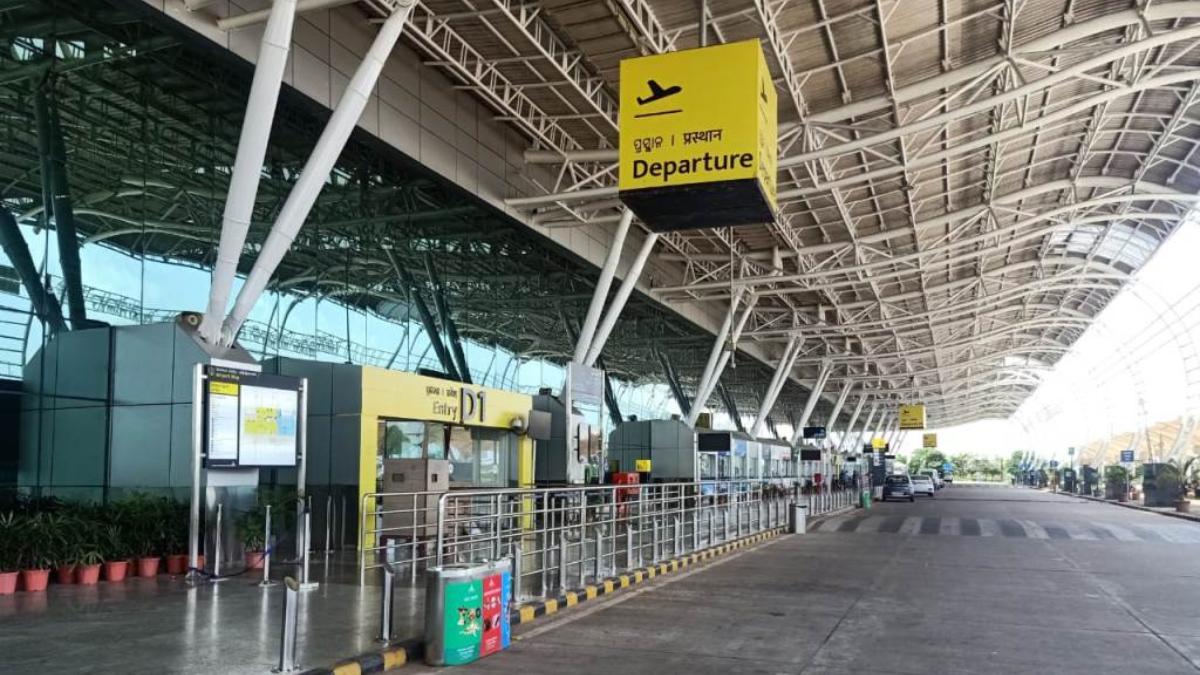
The Odisha Cabinet has approved a special package of incentives to facilitate the establishment of a state-of-the-art Maintenance, Repair, and Overhaul (MRO) facility at the Biju Patnaik International Airport (BPIA). This strategic move, which positions Odisha as the first state in Eastern India to host such a facility, is a critical component of the government’s ambitious Building and Management of Aviation Assets and Network (B-MAAN) scheme. The initiative aims to capitalise on India’s burgeoning aviation sector, attracting significant private investment and creating a new economic corridor for the region.
The decision to provide additional incentives, beyond the state’s existing Industrial Policy Resolution (IPR), 2022, highlights the government’s commitment to securing this high-capital investment. The MRO sector is a cornerstone of the global aviation industry, ensuring aircraft safety, performance, and longevity. By establishing a local MRO hub, Odisha aims to address a critical gap in India’s aviation ecosystem. As per a NITI Aayog report, India’s MRO industry is projected to reach USD 4 billion by 2031, driven by the country’s rapid fleet expansion. Currently, Indian airlines operate a fleet of around 713 aircraft, with plans to add more than a thousand new planes in the next 5-10 years. This growth presents a massive opportunity for domestic MRO services, which currently account for only a small fraction of the total market, with the majority of work outsourced abroad.
The selection of Air Works India, one of the country’s oldest and most experienced MRO providers, as the anchor investor is a pivotal development. The company’s expertise is expected to bring world-class standards and operational excellence to the project, positioning the facility to serve both domestic and international airlines. The geographical location of Odisha, with its proximity to major air routes, makes it an ideal hub for MRO services. This facility will not only cater to the maintenance needs of regional and national carriers but also attract international business, thereby boosting the state’s economy and creating a substantial number of skilled jobs. The implementation will be overseen by a High-Powered Committee on Aviation, ensuring a streamlined rollout and effective resolution of any bottlenecks.
The establishment of this MRO facility represents more than just an infrastructure project; it is a strategic investment in creating a sustainable and high-growth ecosystem. By localising these services, airlines can significantly reduce their operational costs, as maintenance currently accounts for 12-15% of their total revenue—the second-highest expense after fuel. This local presence will reduce the need for ‘ferry flying’ aircraft to distant maintenance centres, which, in turn, will contribute to a zero-net-carbon future by lowering fuel consumption and emissions. This project aligns with a broader vision for gender-neutral and equitable development, as it will create new opportunities in technical and engineering fields, drawing on a diverse talent pool. The facility at BPIA is set to become a vital artery in India’s aviation network, transforming Bhubaneswar into a critical hub and a model for future infrastructure-led growth.