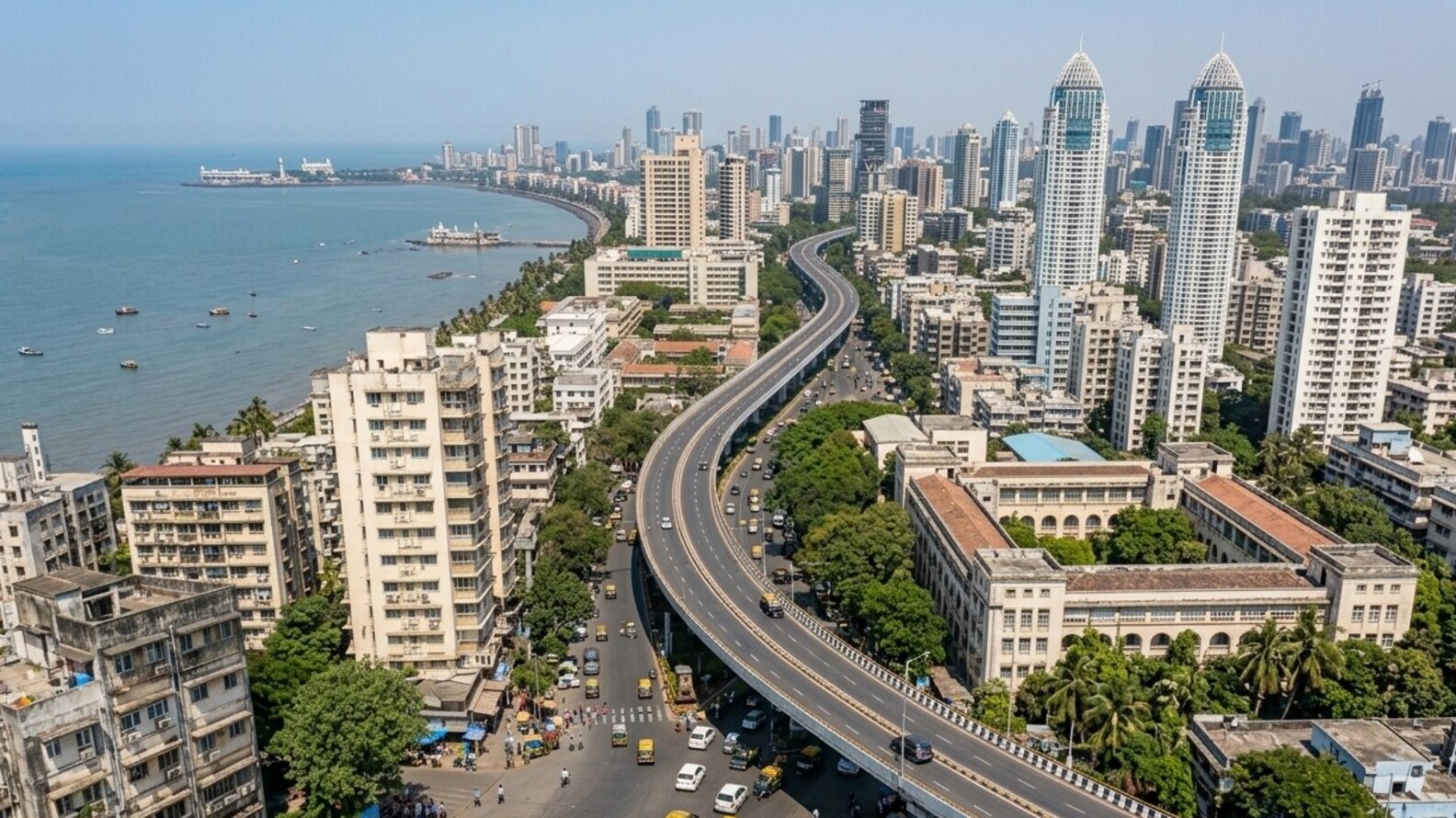
A fresh redevelopment agreement in South Mumbai is set to reinforce the city’s premium housing pipeline, as a listed real estate developer moves ahead with plans to transform two ageing residential societies in the high-value Peddar Road micro-market. The project signals continued momentum in Mumbai’s redevelopment-driven growth model, where limited land availability is reshaping how new supply is created.
According to regulatory disclosures, the redevelopment will cover a combined land parcel of roughly 4,800 square metres, with an estimated free-sale component of approximately 1.40 lakh square feet of RERA carpet area. The project will be subject to prevailing planning norms under the Development Control and Promotion Regulations, 2034, which continue to guide vertical growth across the city. Urban planners note that such projects are increasingly central to Mumbai’s housing strategy, particularly in established neighbourhoods where land acquisition is nearly impossible. Redevelopment allows for the replacement of older structures with more efficient, safer, and often more sustainable buildings, while unlocking additional housing inventory in high-demand zones.
Industry experts indicate that projects in South Mumbai’s premium corridors typically command a pricing premium due to location advantages, legacy value, and proximity to business districts. The Peddar Road stretch, in particular, has seen sustained demand from high-net-worth buyers, making redevelopment projects commercially viable despite elevated construction and compliance costs. The agreement also reflects a broader shift among developers towards asset-light expansion through partnerships and redevelopment contracts. Instead of acquiring land outright, developers are increasingly collaborating with housing societies to optimise project timelines and capital deployment. This approach reduces upfront costs while aligning with regulatory frameworks that prioritise tenant rehabilitation and consent-driven redevelopment.
Recent market assessments suggest that the project could generate substantial revenue potential, supported by strong demand for luxury housing and the possibility of premium pricing. However, analysts caution that execution timelines, approvals, and rehabilitation commitments remain critical factors influencing delivery schedules in such projects. The development follows a series of strategic moves by the company to expand its footprint across Mumbai through redevelopment and land-linked opportunities. These include engagements with public authorities and participation in competitive land bids, reflecting a long-term focus on scaling within the city’s constrained land ecosystem.
From an urban development perspective, redevelopment projects in established areas offer an opportunity to integrate improved infrastructure, better safety standards, and more efficient land use. Experts highlight that aligning such projects with sustainability principles—such as energy-efficient design, water management systems, and resilient construction—will be essential as Mumbai navigates climate-related challenges and increasing urban density. As redevelopment continues to dominate the city’s real estate pipeline, the success of projects in prime locations like Peddar Road will likely shape investor sentiment and influence how developers approach similar opportunities across Mumbai’s older housing clusters.
Oberoi Realty Signs Deal For Peddar Road Redevelopment