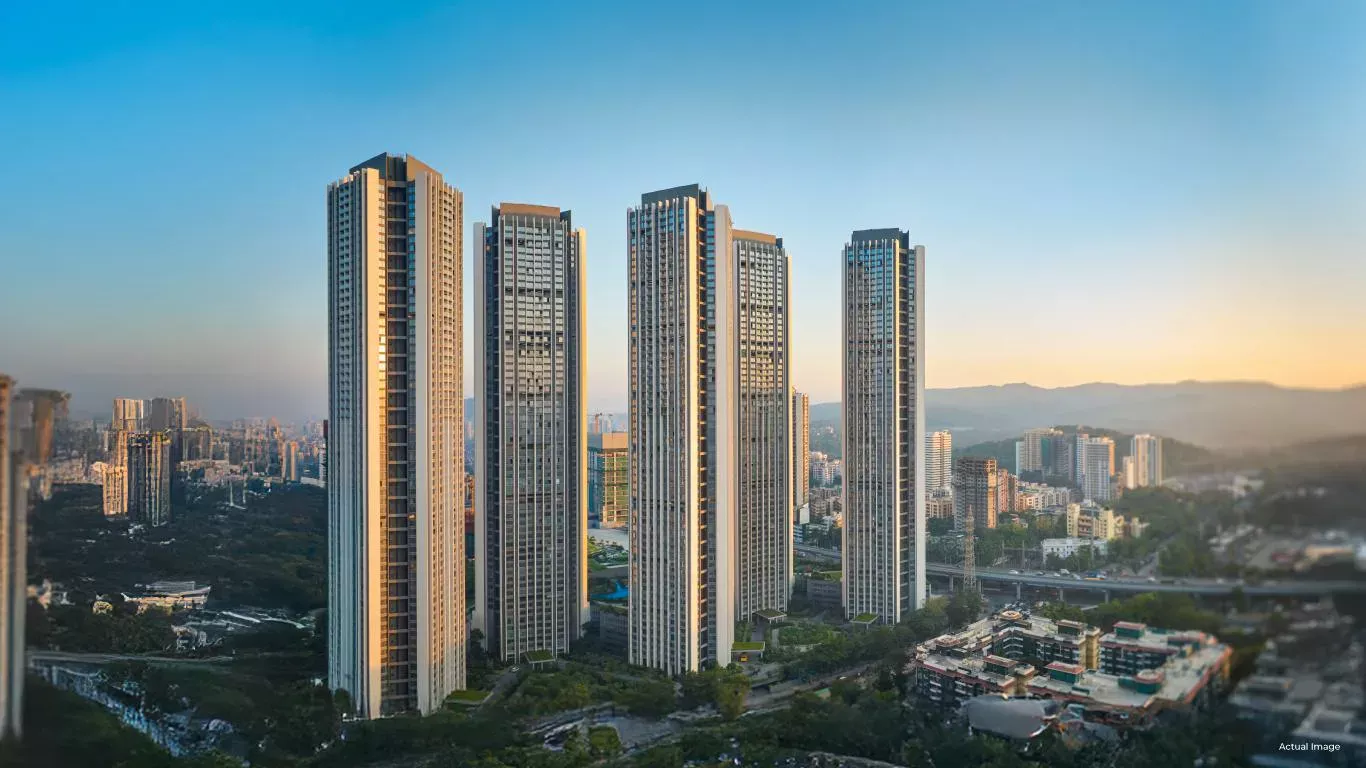
A fresh redevelopment push on Mumbai’s Peddar Road signals continued investor confidence in the city’s high-value housing corridors, with Oberoi Realty formalising agreements tied to a premium residential project in south Mumbai. The disclosure, made through stock exchange filings, underscores how scarce land parcels in established neighbourhoods are increasingly being unlocked through redevelopment rather than new land acquisition.
The project involves two adjoining cooperative housing societies located along M.L. Dahanukar Marg and Dr. G. Deshmukh Marg, collectively spanning about 4,800 square metres. Under prevailing planning norms, the scheme is expected to generate a substantial free-sale component, potentially reshaping the micro-market’s residential supply dynamics. The transaction has been officially communicated to both BSE Limited and National Stock Exchange of India Limited, reflecting regulatory compliance requirements for listed entities.At the core of the development lies the framework of the Development Control and Promotion Regulations (DCPR) 2034, which has become instrumental in enabling vertical redevelopment across Mumbai’s ageing housing stock. Urban planners note that such projects not only increase built-up capacity but also modernise infrastructure, often incorporating improved safety standards, energy efficiency measures, and better utilisation of limited urban land.
Peddar Road, long considered one of Mumbai’s most prestigious residential stretches, presents a unique case of constrained supply meeting sustained demand. Industry experts suggest that the Peddar Road redevelopment project could command premium pricing due to its central location, proximity to business districts, and established social infrastructure. However, they also point out that execution timelines in such dense urban zones typically extend over four to six years, factoring in approvals, tenant rehabilitation, and phased construction.Revenue recognition for developers in similar projects usually begins only after significant construction milestones are achieved, often closer to the latter stages of development. Analysts indicate that while upfront costs including rehabilitation commitments and construction expenses can weigh on near-term margins, the eventual sales realisation in prime locations tends to offset these pressures, supporting profitability over the project lifecycle.
From a broader urban lens, the Peddar Road redevelopment reflects a structural shift in Mumbai’s real estate growth model. With limited greenfield land available, redevelopment-led expansion is emerging as a key mechanism to accommodate population density while upgrading living standards. This approach, if aligned with sustainability goals, can reduce urban sprawl and improve resource efficiency. For residents and city planners alike, the focus now shifts to how such projects balance commercial viability with liveability outcomes ensuring that redevelopment contributes not just to skyline transformation, but also to resilient, inclusive, and future-ready urban neighbourhoods.