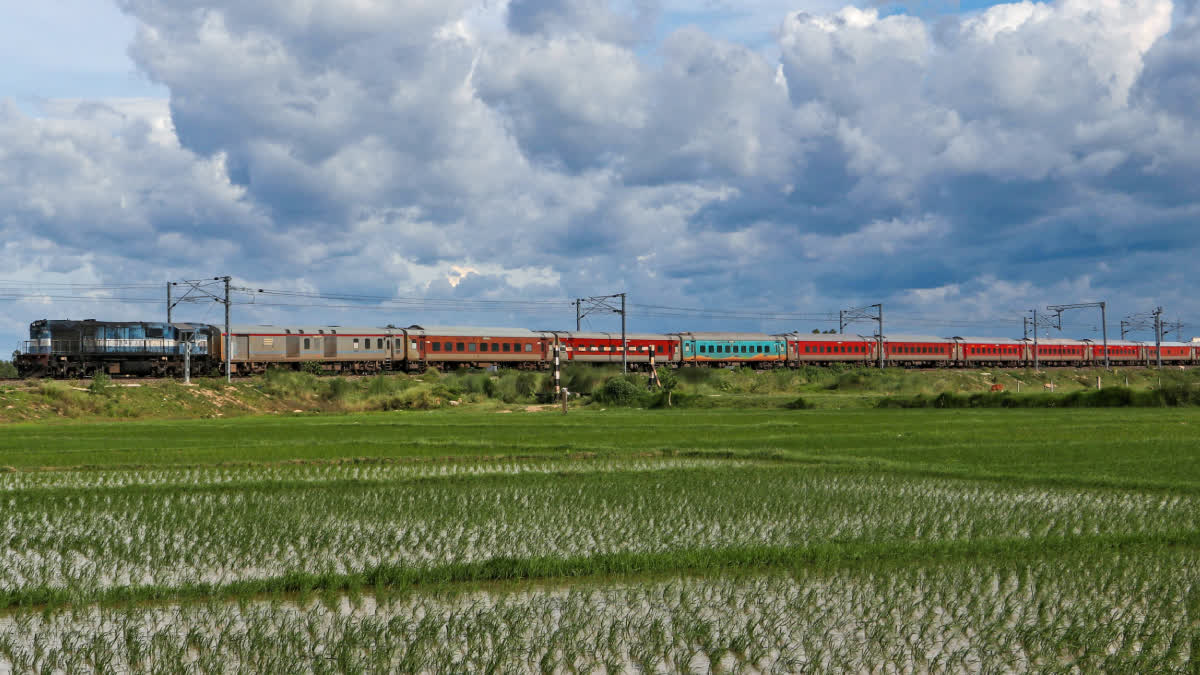
Northern India Extends Special Trains till mid-August for Better Connectivity
Northern Railway has announced the extension of several special train services until mid-August. This decision, a direct response to operational data indicating high ridership, underscores the pivotal role of rail in providing a flexible and responsive public transport network. The continued operation of these services on key routes is a testament to the railway’s commitment to creating a more accessible, sustainable, and equitable urban and inter-city ecosystem, which is crucial for modern city-focused development agendas.
The extension affects two prominent services: the Mau-Ambala Cantt Special (05301/05302) and the Chhapra-Martyr Captain Tushar Mahajan Special (05193/05194). The Mau-Ambala Cantt train, previously scheduled to conclude its run in mid-July, will now operate on a weekly basis until August 14th from Mau and August 15th from Ambala. Similarly, the Chhapra-MCTM service, connecting key regions with the northern parts of the country, has been extended to run on Mondays and Wednesdays until mid-August. These extensions are not arbitrary; they are a data-driven initiative to manage passenger flow during a period of sustained travel demand, ensuring that essential transport links remain robust and reliable.
This operational flexibility is a vital part of a broader strategy to foster equitable cities. By continuing services on routes that connect smaller towns to major junctions, the railway ensures that access to economic opportunities, healthcare, and education is not limited by geography. A reliable and affordable public transport system is a foundational element of social equity, providing a lifeline for millions of individuals and families. It empowers citizens to travel freely, safely, and with dignity, a key pillar of a gender-neutral and inclusive society.
From a sustainability perspective, this initiative aligns perfectly with the goal of achieving zero-net-carbon and eco-friendly cities. Every additional passenger train service that operates efficiently encourages a modal shift from road travel, which is a major contributor to carbon emissions and air pollution. By absorbing high passenger volumes on its electrified network, the Indian Railways is directly contributing to a cleaner environment. The extension of these services, therefore, can be viewed as an indirect but impactful measure to combat climate change and build a healthier future for urban centres.
Railway officials have confirmed that all other operational parameters, including timings, stoppages, and coach composition, will remain unchanged. This seamless continuity of service minimises logistical complexities and ensures a smooth travel experience for passengers who rely on these routes. The ability to extend services with such agility highlights the operational efficiency of the Northern Railway in adapting to evolving market needs while upholding its commitment to safety and public service. This proactive approach to transport management is an example of how public utilities can serve both commercial imperatives and societal goals simultaneously.
In essence, the extension of these special train services is more than a simple schedule update. It is a strategic statement of purpose by Northern Railway, reflecting a deep-seated commitment to the principles of sustainability, equity, and operational excellence. It reinforces the notion that a robust, responsive railway network is indispensable to the nation’s progress and the well-being of its citizens.