


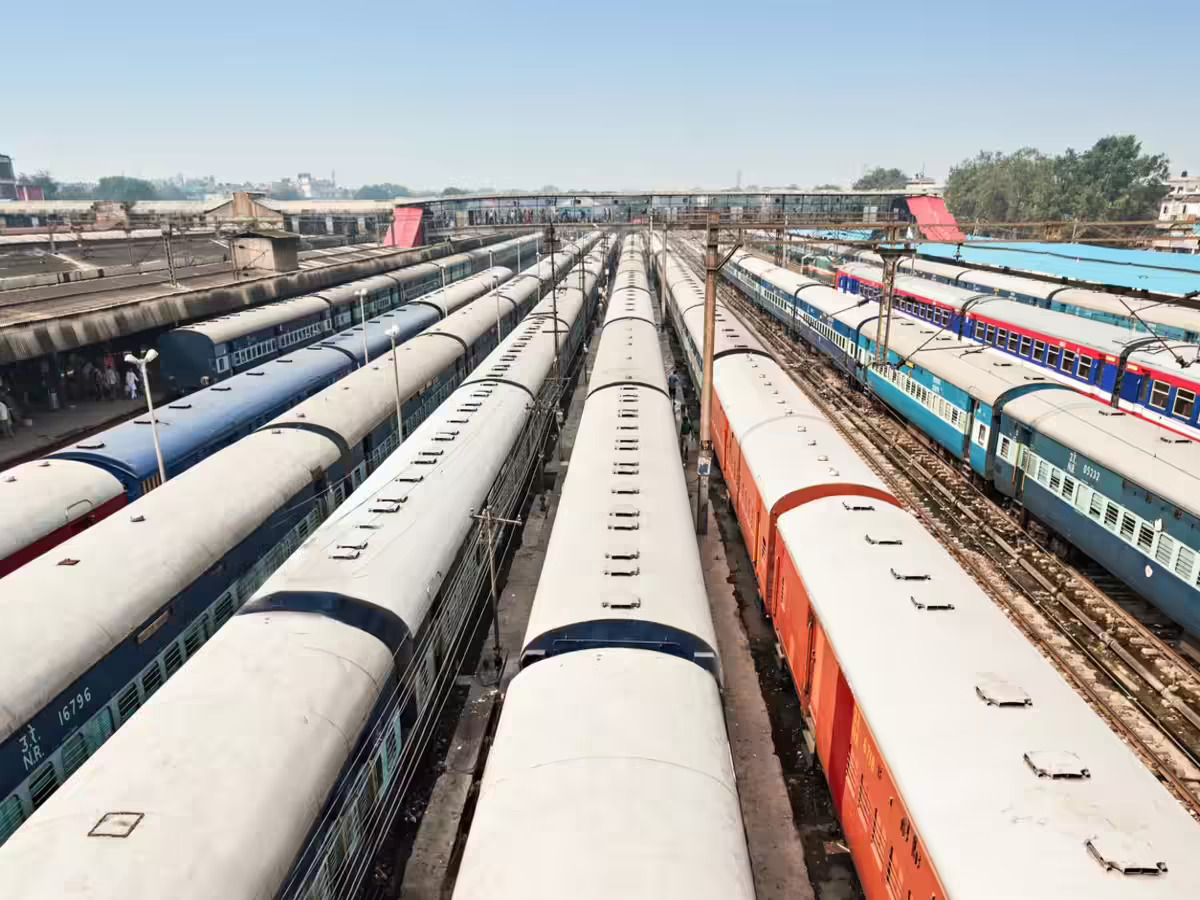
Ambitious railway projects in India’s mountainous northeastern states, designed to enhance connectivity and economic growth, are now under intense scrutiny. The grand vision of seamlessly linking the challenging terrain is being overshadowed by staggering cost overruns, massive time delays, and profound environmental and safety concerns. These multi-billion-dollar initiatives, intended to serve as a backbone for regional development, are instead raising questions about the financial wisdom and ecological sustainability of building large-scale infrastructure in such a delicate ecosystem. The projects are emblematic of a larger national conversation about balancing progress with the long-term health of our planet and communities.
The construction of new railway lines in the country’s northeastern region, bordering China, has been plagued by a series of escalating challenges. Five major lines, initially estimated to cost a collective sum, are now facing massive time and budget overruns. One particularly striking example is a 110.6km line launched in 2003, which was initially budgeted at Rs 7.3 billion and is now expected to cost over Rs 250 billion, with a new completion target of 2027. Similarly, another line, a 45km project approved in 2008, has seen its costs skyrocket from Rs 13.4 billion to an estimated Rs 150 billion, with completion pushed back to 2028. These financial escalations highlight a systemic issue in project planning and execution within these difficult terrains.
Experts have voiced deep concerns regarding the engineering choices and long-term viability of these projects. A former chief engineer of Indian Railways has stated that the cost escalation in real terms is far higher when accounting for year-on-year inflationary costs. The official also pointed to potential design flaws that he believes were overlooked. One particular 51.38km line, which took 17 years to complete and saw its costs soar from Rs 6.2 billion to Rs 192 billion, is cited as a prime example. The line’s route, traversing gentle hills and low-relief terrain, remarkably features tunnels, high cuttings, and bridges for 96% of its length, including colossal structures over 50 metres tall. This design, according to experts, forces trains to operate at a snail’s pace of 25-30 km/h, making it economically inefficient and operationally complex.
The construction methodology, which often involves excessive soil cutting for slope stabilisation, is a significant point of contention. In a region receiving annual rainfall between 2500-4000mm, this approach is viewed as highly risky. Past incidents, such as the premature opening of a line in Assam in 2016, serve as a grim reminder of the potential consequences. That line experienced derailments and numerous landslides, leading to prolonged service disruptions. In 2022, the same line was closed for a staggering 48 days, and this year, it has faced multiple closures, including a seven-day disruption following a major landslide. These recurring events underscore the fragility of the terrain and the need for a more cautious, ecologically sensitive approach.
The ongoing challenges in the Northeast raise a crucial question about the future of infrastructure development in India. While connectivity is vital for equitable growth, it should not come at the expense of environmental stability, public safety, and financial prudence. The path forward must involve a holistic strategy that prioritises sustainable, eco-friendly solutions and respects the delicate balance of nature. The focus should shift from merely building to building responsibly, ensuring that these projects serve as a model for creating zero net carbon, resilient, and inclusive cities and regions for future generations.
Also Read :Meerut Vande Bharat Extension Eases Travel With Faster Railway Connectivity
