


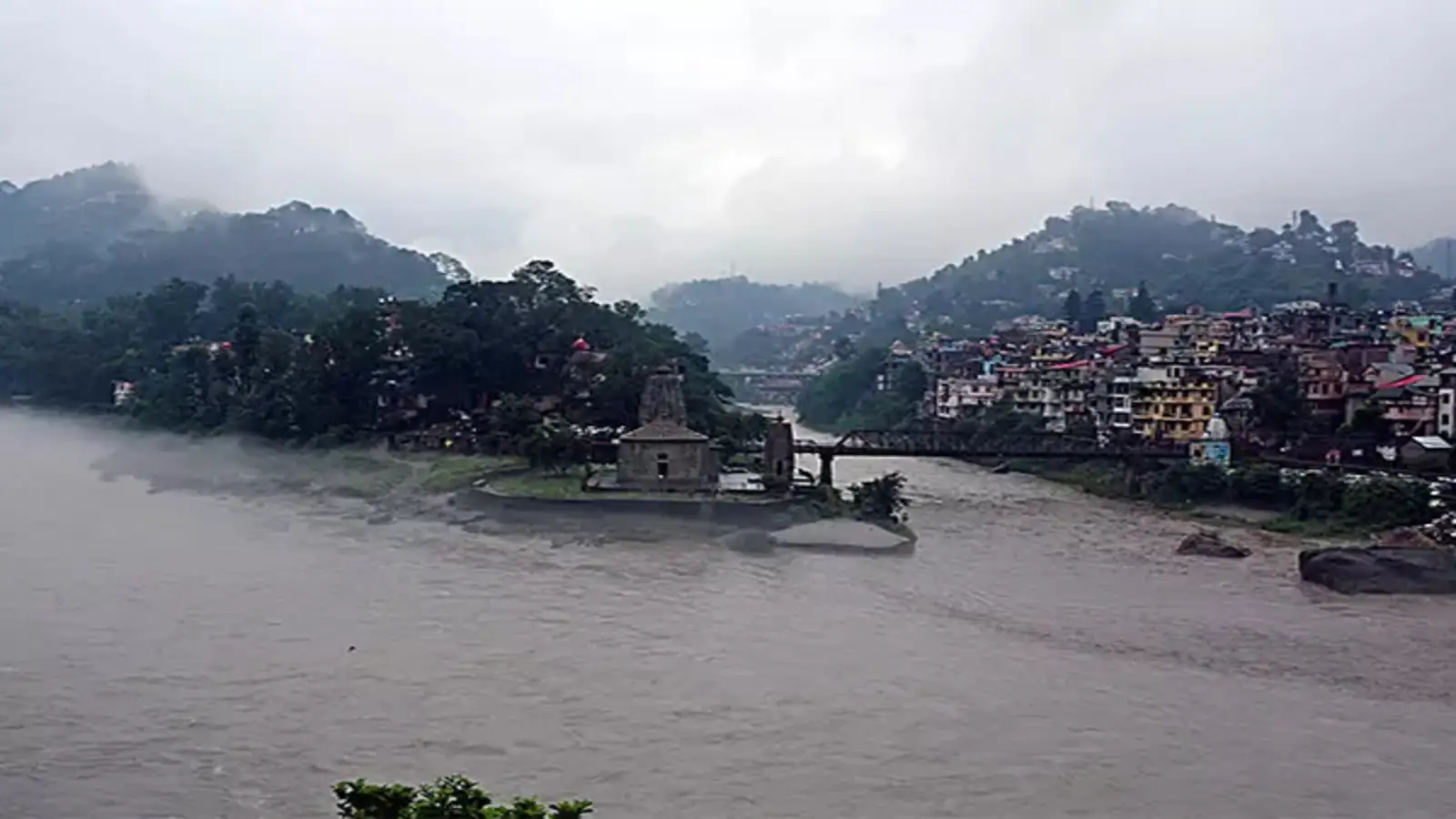
Himachal Pradesh and Jammu and Kashmir are grappling with unprecedented rainfall, leading to severe infrastructural disruptions and widespread evacuations. In Himachal, the Chandigarh-Manali Highway was washed away at multiple points in Kullu district due to the swelling Beas River and landslides in Banala, forcing authorities to suspend traffic and deploy restoration crews urgently. Rising water levels have compounded the challenges, threatening both connectivity and safety across the region.
Authorities have issued red alerts in Chamba, Kangra, and Mandi, while yellow and orange warnings cover multiple districts through the coming week. Officials are closely monitoring rivers, landslide-prone zones, and highways, advising residents and travellers to avoid non-essential travel. The closure of the Chandigarh-Manali route has stranded hundreds of cargo trucks, causing spoilage of perishable goods and disrupting supply chains.In Jammu and Kashmir, relentless rainfall has forced the temporary closure of the Shri Mata Vaishno Devi Yatra, with rivers and landslides damaging key infrastructure. Landslides along the Yatra route have claimed lives, while cloudbursts in Kishtwar’s Margi and Warwan valleys have destroyed homes, bridges, and farmland. Thousands have been evacuated, and relief operations are underway, though ongoing rains continue to challenge logistics and accessibility.
Also Watch: An Exclusive Interview with Sanjeev Jaiswal (IAS), CEO MHADA
Key highways and rail networks in both states are facing severe disruptions. Road collapses along the Tawi Bridge, Chakki Pul Pathankot, and other vital arteries have led to transport bottlenecks, train cancellations, and stranded commuters. Authorities have prioritised relief and damage assessment, but intermittent rainfall continues to delay recovery operations.Experts highlight that these events underscore the urgent need for sustainable urban planning and resilient infrastructure in ecologically sensitive areas.
