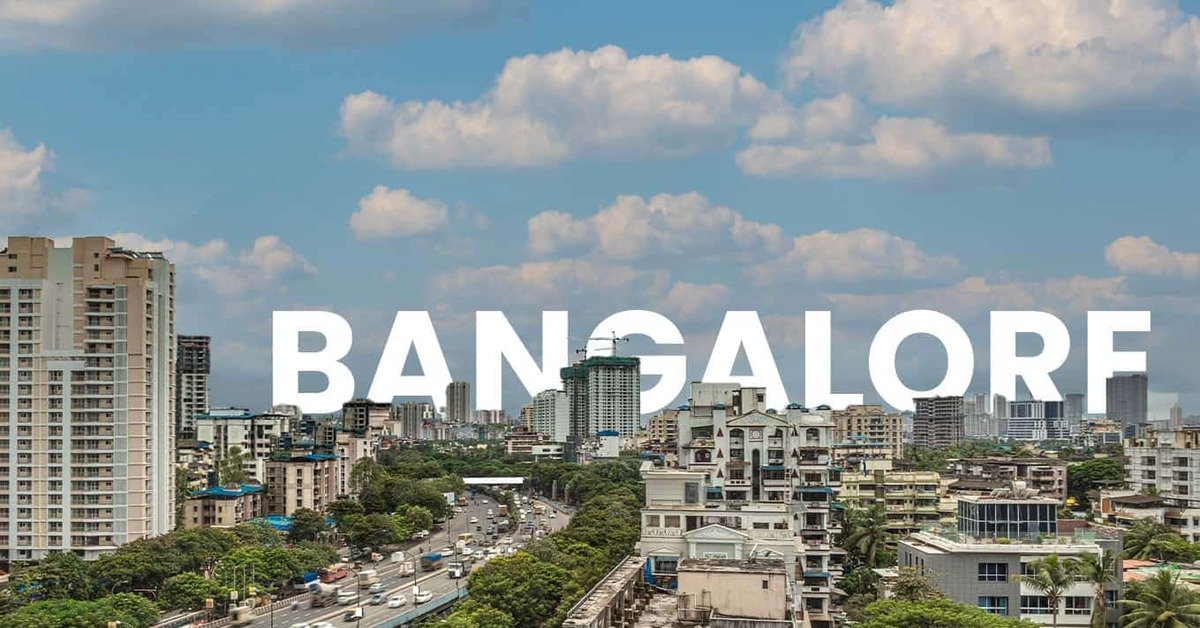
North Bengaluru Real Estate Gains Investor Attention
Bengaluru’s northern corridor is rapidly consolidating its position as a key real estate hotspot, drawing sustained interest from both large developers and homebuyers. The region’s emergence is closely tied to infrastructure expansion, employment hubs, and planned urban growth, making it central to the city’s next phase of development.
Over the past two years, north Bengaluru growth has accelerated alongside improvements in connectivity and industrial activity. The presence of Kempegowda International Airport and the expansion of surrounding economic zones have created a strong base for residential demand. Industrial clusters, particularly those linked to aerospace and defence manufacturing, have further deepened the employment ecosystem, encouraging workforce migration and housing uptake. Urban planners note that such integrated development where jobs, infrastructure, and housing evolve together reduces commute pressures and enhances liveability. This has made the region particularly attractive to first-time homebuyers and professionals seeking proximity to workplaces, while also appealing to investors looking for long-term capital appreciation rather than short-term speculative gains.
Unlike more volatile property cycles seen in other metropolitan regions, Bengaluru’s housing market has remained relatively stable. Industry observers highlight that north Bengaluru growth is largely demand-driven, with developers reporting steady bookings at project launch stages. Limited reliance on price discounts indicates a healthier market where end-user demand, rather than speculative investment, shapes pricing trends.The area is also witnessing a diversification of housing supply. Developers are introducing a mix of apartments, plotted developments, villas, and integrated townships to cater to varying income groups. This diversity reflects a broader shift towards inclusive urban expansion, where housing options are not restricted to a single segment. Looking ahead, planned developments such as large-scale knowledge and innovation hubs are expected to reinforce the region’s trajectory. These projects aim to combine research, healthcare, and technology ecosystems, potentially creating new economic corridors that extend beyond traditional IT clusters.
While some of these initiatives are located in other parts of the city, their spillover effects are likely to strengthen demand across Bengaluru’s peripheral zones.However, rapid expansion brings its own set of challenges. Water availability, mobility planning, and ecological preservation remain critical concerns. Experts emphasise that new developments in the north are increasingly incorporating sustainable design elements, including water recycling systems and green building standards. Such measures could help address long-standing urban issues if implemented at scale. As Bengaluru continues to grow outward, north Bengaluru growth represents both an opportunity and a test case. Its success will depend not only on real estate momentum but also on how effectively infrastructure, sustainability, and equitable access are integrated into the city’s evolving urban fabric.