


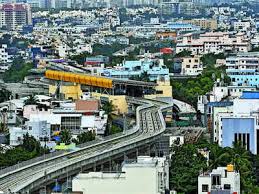
Micro-market performance, however, varied. North Bengaluru buoyed by infrastructure upgrades and proximity to Kempegowda International Airport led absorption trends, while South Bengaluru maintained steady demand. In contrast, Sarjapur saw relatively slower activity during the period.
The brokerage noted that new launches positioned within favourable pricing “sweet spots” received encouraging responses, reinforcing the importance of calibrated supply in sustaining velocity. Developers with significant exposure to Bengaluru are expected to benefit from both fresh launches and sustenance sales. Among listed players, Godrej Properties reported pre-sales of Rs 240 billion in the first nine months of FY26, up 25% year-on-year, and is expected to surpass its full-year guidance of Rs 325 billion. Prestige Estates Projects Ltd posted pre-sales of Rs 223 billion in the same period, reflecting a sharp 122% YoY increase, driven by strong Bengaluru launches. Sobha Limited recorded Rs 61 billion in pre-sales during 9MFY26, marking 37% growth YoY, and is projected to cross Rs 85–90 billion for the full year.
Meanwhile, Brigade Enterprises and Arvind SmartSpaces are preparing multiple launches in the fourth quarter, which could support a late-cycle sales uptick, subject to approvals. Other national players including Lodha Developers and DLF Limited are expected to meet or maintain their FY26 sales guidance, though their exposure is more diversified across Mumbai, NCR and Pune. The concentration of demand in the Rs 1.5-2.5 crore band suggests a structural shift in buyer affordability and aspiration. Analysts attribute this to rising disposable incomes in the technology and GCC ecosystem, larger home preferences post-pandemic, and easier mortgage availability for upper-mid-income households. North Bengaluru’s outperformance aligns with ongoing infrastructure upgrades, including metro expansion and improved airport connectivity, alongside significant land availability for large-format developments. In contrast, central and fully saturated corridors offer limited new supply, constraining volume growth. Importantly, the data indicates that the Bengaluru market is not being driven by speculative luxury demand but by end-user-led absorption in realistic price bands. This pricing discipline has helped maintain inventory stability despite high launch activity.
With launches on schedule and developers reporting healthy bookings early in Q4, Bengaluru appears poised to close FY26 on a strong footing. As long as supply remains aligned to demand sweet spots, the city’s mid-premium housing segment is likely to remain the primary engine of growth in India’s residential cycle.
Also Read: GCC demand drives Bengaluru office growth
North Bengaluru leads housing absorption surge
