As February draws to a close, Kolkata and surrounding districts are experiencing a clear shift in seasonal patterns, with daytime temperatures steadily rising and the chill of winter fading from both urban and rural areas. The Alipore Met Office reports that Kolkata’s daytime highs have edged above 28°C, with forecasts indicating a potential peak of 31°C over the weekend. This warming trend is reflected across key districts, including Bankura, Diamond Harbour, and Malda, where thermometers are registering highs between 28°C and 30°C.
Urban planners and climate specialists note that such early rises in temperature have tangible implications for city living. Rising daytime temperatures increase energy demand for cooling, particularly in dense residential and commercial clusters, while also influencing air quality and the comfort of outdoor public spaces. In Kolkata, where urban heat islands are prominent, small temperature shifts can magnify discomfort in neighbourhoods lacking green cover or effective ventilation corridors.
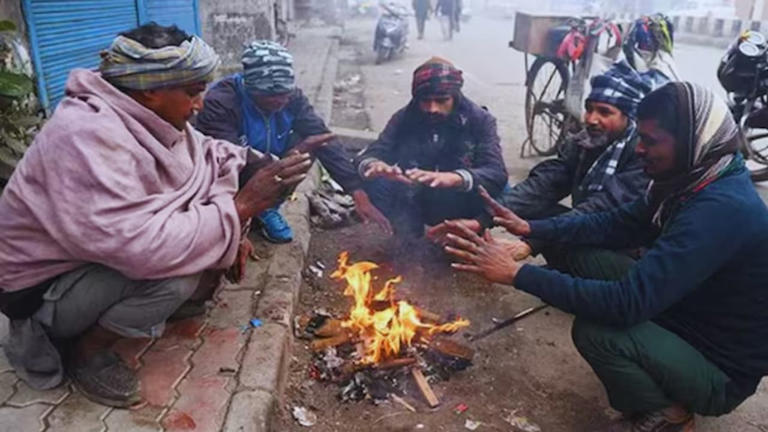
Meanwhile, North Bengal continues to experience residual winter effects. Districts such as Darjeeling, Jalpaiguri, and Cooch Behar report cold nights with persistent morning fog, a combination that affects transport safety and agricultural activity. Meteorological observations suggest that a northerly wind pattern and light-to-moderate fog will continue for the next two to three days, gradually giving way to clearer skies. Urban and regional authorities are monitoring these conditions to ensure that transport, supply chains, and public services remain unaffected. The broader environmental context includes a cyclonic circulation over the southeast Bay of Bengal, which has recently intensified into a low-pressure system. While current models indicate it will not directly impact West Bengal, its presence highlights the need for climate-resilient planning in coastal and low-lying urban areas.
Experts emphasise that understanding seasonal shifts, particularly those influenced by broader Bay of Bengal weather systems, is crucial for sustainable city management, infrastructure resilience, and equitable resource allocation. The rising temperatures also underscore the importance of climate-conscious urban design. Incorporating heat-mitigating features such as reflective building materials, tree-lined streets, and open public spaces can help reduce heat stress for residents and workers. For cities like Kolkata, where commercial activity and pedestrian mobility intersect with dense housing, even modest interventions in building and transport planning can significantly enhance liveability during transitional seasons. As South Bengal warms and North Bengal gradually sheds its winter chill, citizens and planners alike are urged to anticipate and adapt to these seasonal changes. Proactive measures in energy management, public health monitoring, and infrastructure planning will help ensure that rising temperatures translate into manageable urban conditions rather than civic stress.