


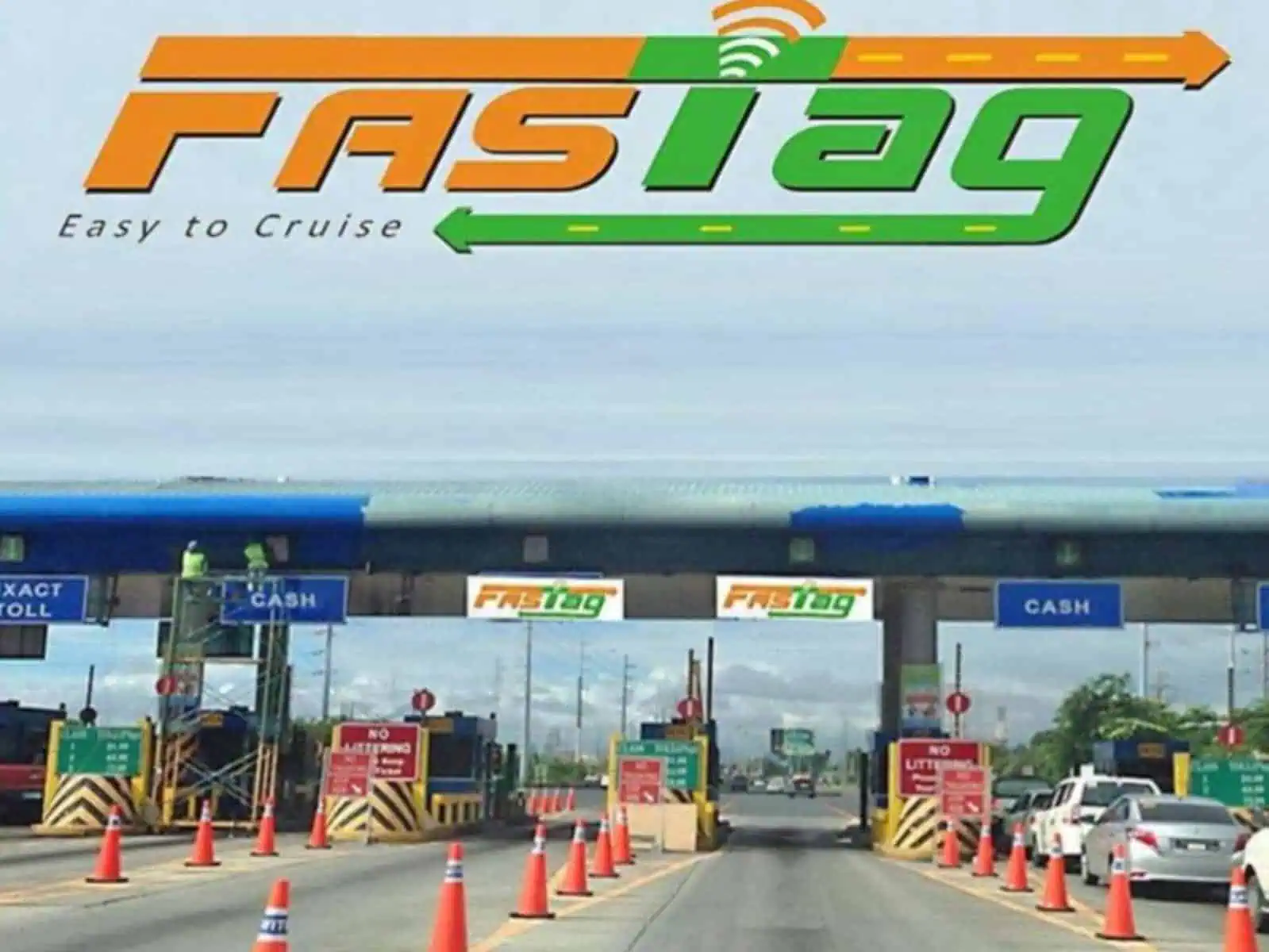
The Ministry of Road Transport and Highways (MoRTH) has announced a major revision in toll collection rules aimed at accelerating the adoption of digital payments on National Highways. Under the amended National Highways Fee (Determination of Rates and Collection) Rules, 2008, vehicles without a valid FASTag will face higher user fees from November 15, 2025, with cash payments attracting double the usual toll and UPI payments charged at 1.25 times the standard rate.
Officials stated that the move is designed to reduce congestion at toll plazas, minimise cash handling, and encourage commuters to adopt digital modes of payment. A vehicle that currently pays Rs 100 via FASTag will now be required to pay Rs 200 if paying in cash, or Rs 125 if using the Unified Payment Interface (UPI), reflecting the government’s strategy to incentivise electronic transactions while maintaining user convenience. “The amendment strengthens the fee collection mechanism, enhances transparency, and streamlines commuting for National Highway users,” a ministry official said. Experts in transport and logistics noted that such measures are critical in supporting India’s broader push towards a cashless economy and sustainable urban mobility. Digital tolling reduces vehicle idling time, thereby lowering fuel consumption and emissions, aligning with the country’s carbon-neutral transport objectives.
FASTag has been mandatory for toll payments since 2021, with previous regulations imposing a 100% penalty for non-FASTag or cash payments. The new rules introduce a more graduated incentive, where UPI payments present a lower surcharge than cash, encouraging commuters to adopt mobile-based digital solutions rather than handling physical currency. Transport analysts highlighted that the amendment is likely to accelerate the penetration of FASTag among commercial and private vehicle users, reduce operational delays at toll plazas, and support safer, more equitable commuting experiences across highways. They also pointed out that such digitisation could improve data collection on traffic flows and revenue, enabling authorities to plan better infrastructure improvements.
Officials further explained that the revised system provides a transparent mechanism for toll collection while discouraging cash usage, which is prone to mismanagement and slower processing. The step also reinforces the government’s commitment to integrating technology in public infrastructure to improve efficiency, safety, and environmental sustainability. Commuters and fleet operators have been urged to ensure their FASTag accounts are active and linked to adequate digital payment instruments to avoid higher charges. Authorities have assured that the transition period before November 15 will include awareness drives to familiarise users with the new payment structure.
With this amendment, India strengthens its position as a pioneer in digital toll collection among emerging economies, aiming to balance operational efficiency with commuter convenience while promoting greener, more sustainable transport solutions.
Also Read: West Bengal Railways Sanctions 396 Crore For Doubling Ranaghat Bangaon Section
